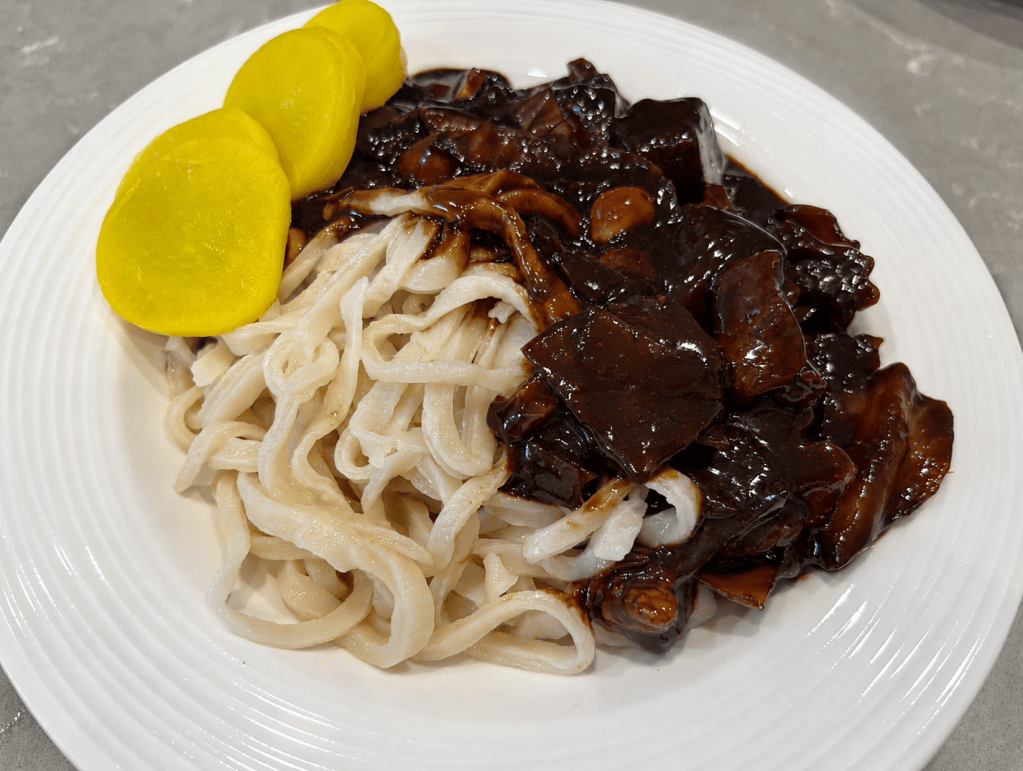
춘장에 대해서; 짜장 소스의 기본 바탕이 되는 춘장을 만들 때 쓰이는 핵심 콩은 노란 대두(황태)입니다. 춘장과 장류의 제조에 쓰이는 콩과 만드는 원리는 기본 재료 대두(노란콩/백태)는 같습니다.
About Chunjang: The primary bean used to make Chunjang, the key base for Jajang sauce, is yellow soybeans. The core ingredient and principle for making Chunjang are the same as other fermented soybean pastes, using yellow soybeans (Baektae).
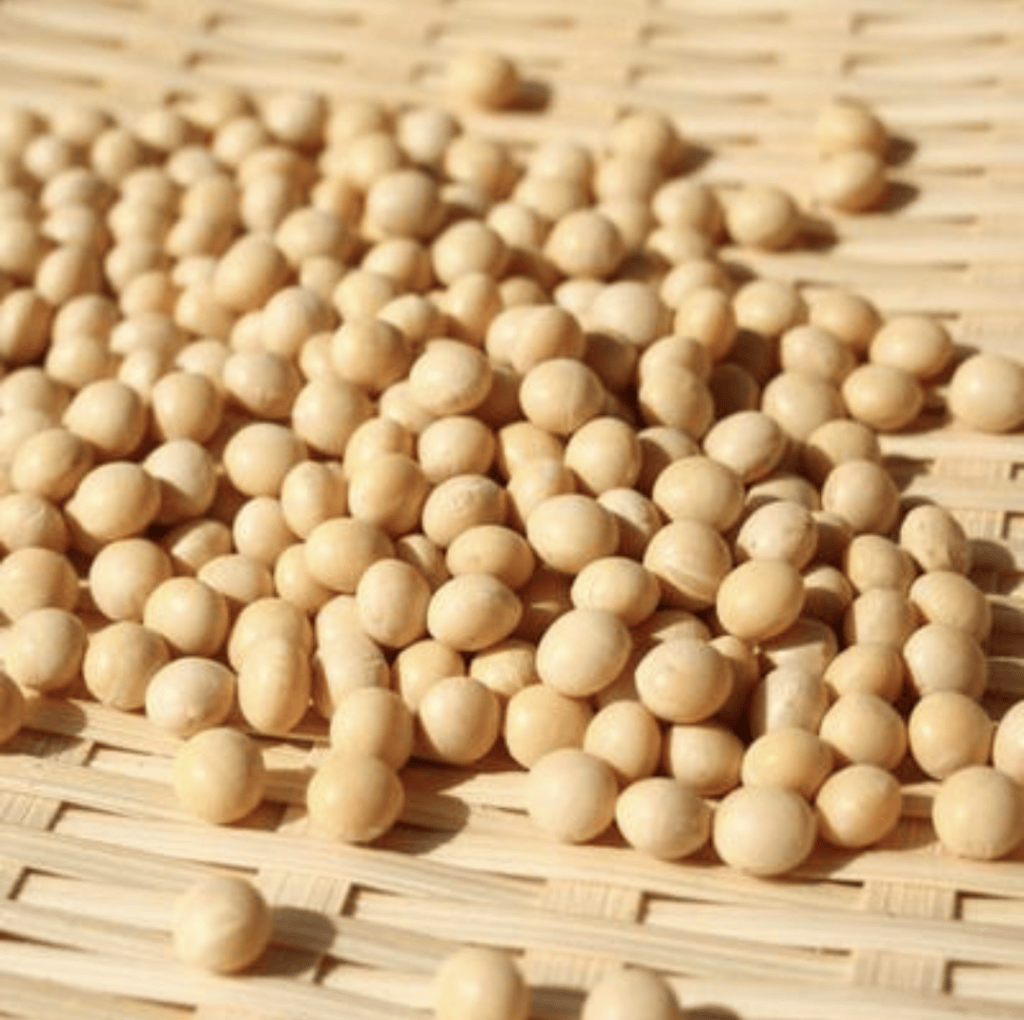
삶은 대두에 밀가루(또는 밀)와 누룩균을 섞어 발효시켜 중화면장을 만듭니다.
Boiled yellow soybeans are mixed with wheat flour (or wheat) and Koji mold (starter culture) to ferment, creating traditional Chinese soybean paste (Jonghwa-myeonjang).
여기에 소금물과 함께 추가 발효·숙성 과정을 거치면서 춘장특유의 감칠맛과 풍미가 만들어집니다.
As it undergoes an additional fermentation and aging process with saltwater, the signature umami and rich flavor of Chunjang are fully developed.
흔히 춘장이 검은색이라 검은콩을 쓸 것이라 오해하기 쉽지만, 전통 발효 과정에서 숙성되면 색이 어두워진다고 합니다.
Although many people mistakenly assume black beans are used due to its dark color, the shade naturally deepens as it ages through the traditional fermentation process.
대두와 밀가루를 섞어 만든 장을 오랫동안 발효 시키고 숙성하면, 콩의 단백질(아미노산)과 당분이 반응하는 마이야르 반응(Maillard reaction)이 일어납니다. 오랜 기간 숙성될수록 색이 점점 어둡고 짙은 갈색 또는 검은 빛에 가깝게 변하게 됩니다. 중국 전통 첨면장(甜面酱)이나 전통 방식으로 오랫동안 숙성 시킨 중화면장이 짙은 어두운 색을 띠는 이유입니다.
When fermented and aged for an extended period, the paste made from soybeans and wheat flour undergoes the Maillard reaction, a chemical process between the amino acids in soy proteins and sugars. The longer it is aged, the deeper and darker its color becomes, turning into a dark brown or near-black shade. This is why traditional Chinese sweet bean sauce (Tianmianjiang) and conventionally long-aged soybean pastes naturally take on a dark color.
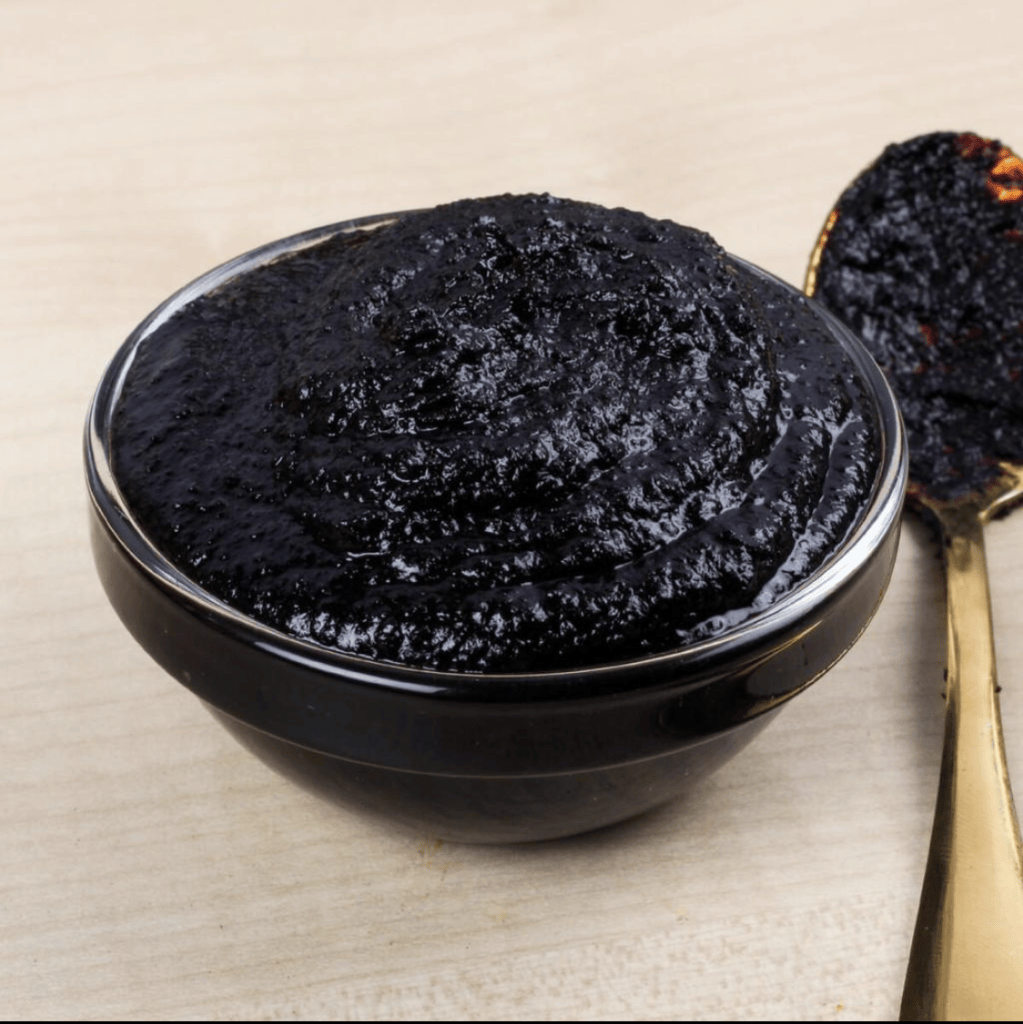
우리가 흔히 접하는 한국식 짜장면용 시판춘장은 발효·숙성 기간을 단축하고, 짜장 특유의 식욕을 돋우는 짙은 검은색을 일정하게 유지하기 위해 카라멜 색소를 첨가한다고 합니다. 한국에 짜장면이 정착하던 초기(1950년대 전후)에 단맛과 윤기, 그리고 선명한 검은 빛깔을 내기 위해 카라멜 색소를 넣기 시작한 것이 지금의 전형적인 춘장 색으로 자리 잡았습니다.
Commercial Korean Chunjang (black bean paste) commonly contains added caramel coloring to shorten the fermentation and aging period and to consistently maintain its appetizing, deep black color. When Jajangmyeon became popular in Korea around the 1950s, caramel coloring was initially added to lend sweetness, a glossy finish, and a distinct black hue, which eventually set the standard color for modern Chunjang.
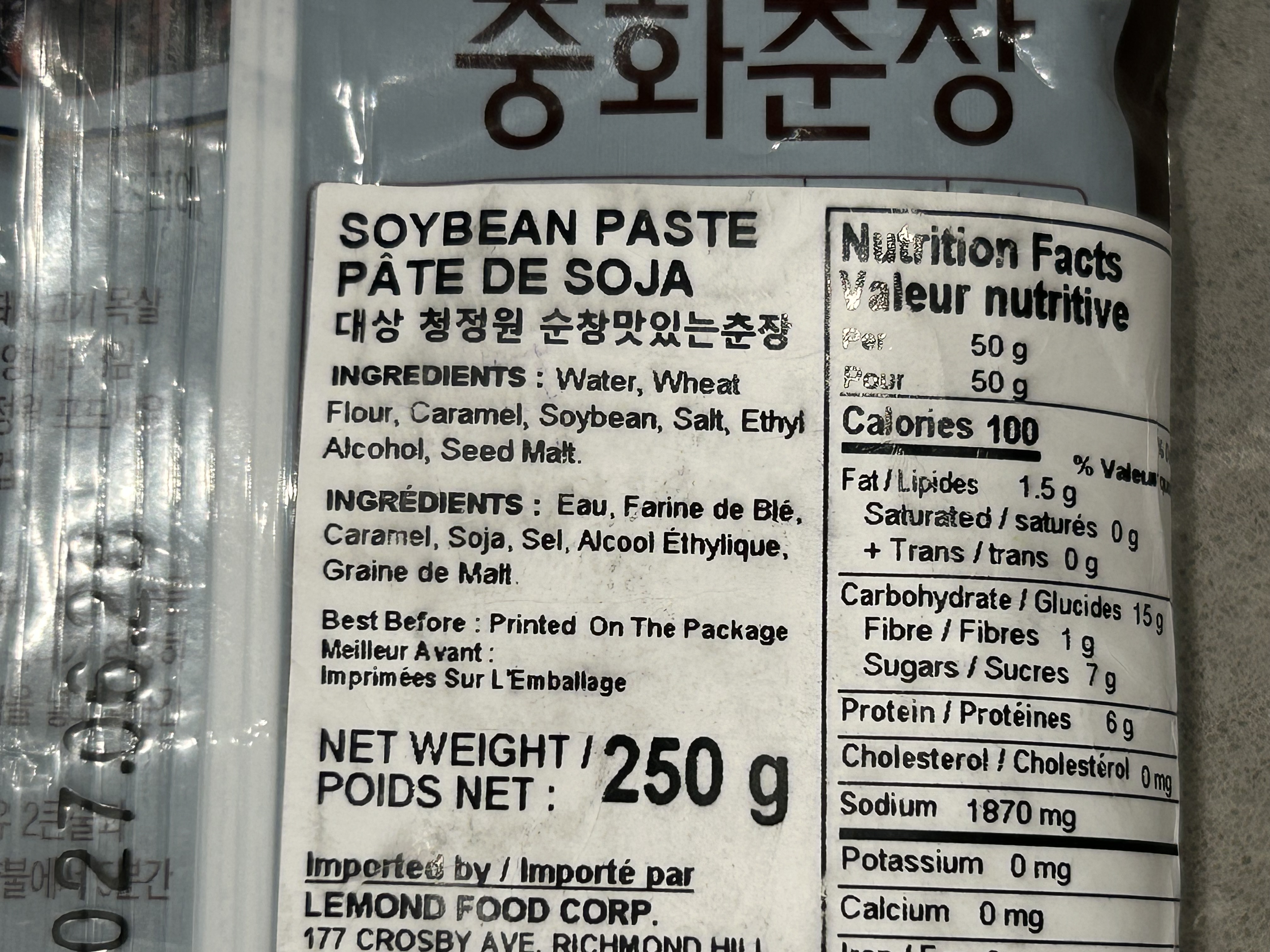
시판춘장의 제품 뒷면 식품 유형 및 원재료명란을 보면 거의 대부분 ‘카라멜색소'(caramel)가 명시되어 있습니다. 대부분 춘장의 원재료명을 보면 소맥분(밀), 대두(콩), 정제소금, 카라멜색소, 종국(누룩균), 보존료 등이 표기되어 있음을 볼수있습니다. 춘장을 짜장 소스로 만들 때 기름에 달달 볶는 과정을 거치는데, 이 과정에서 수분이 날아가고 장 속의 당분과 단백질이 기름과 열을 만나 색이 한층 더 짙고 윤기 나는 검은색으로 변하게 됩니다.
On the back of commercial Chunjang packages, under the product type and ingredients list, “caramel color” is almost always listed. You can usually find ingredients such as wheat flour, soybeans, refined salt, caramel color, seed malt (Koji), and preservatives. When Chunjang is stir-fried in oil to make Jajang sauce, the moisture evaporates, and as the sugars and proteins in the paste react with the heat and oil, the color becomes an even deeper, glossier black.
이것이 우리가 흔히 접하는 춘장이 검은색을 띠는 이유입니다. 오랜 숙성과 발효 과정을 거쳐도 자연스럽게 검은 빛깔이 나오지만, 시판용춘장은 그 시간을 단축하기 위해 카라멜색소를 첨가한다는 차이가 있을 뿐 결국 검은색을 띤다는 점은 동일합니다. 이곳에서는 black-bean-noodles-jajangmyeon이라고 부릅니다.
This is why the Chunjang we commonly encounter has its distinct black color. Although natural aging and fermentation gradually develop a dark hue on their own, commercial Chunjang simply adds caramel coloring to shorten that process—the resulting black color remains the same. Here, it is referred to as black-bean-noodles-jajangmyeon.
그렇다 보니 검은콩으로 만들었다고 생각하거나, 때로는 오징어 먹물 소스로 오해받기도 합니다. 한국 음식을 소개하는 모임에서 짜장을 선보일 때 아직은 인지도나 관심이 다소 낮다는 것을 느끼곤 합니다. 다들 맛은 좋다고 하지만요. 그럼에도 짜장면은 우리에게 늘 친숙하고 문득문득 생각나는 맛입니다. 시판용춘장 덕분에 집에서 직접 만들어 이 맛을 즐기곤 합니다.
Because of this, people often assume it is made from black beans or sometimes mistake it for squid ink sauce. When introducing Jajangmyeon at gatherings that promote Korean cuisine, I often notice that awareness and interest are still somewhat low—even though everyone agrees it tastes delicious. Nevertheless, Jajangmyeon remains a comfort food that we always hold dear and crave from time to time. Thanks to commercial Chunjang, I can easily prepare and enjoy this familiar taste at home.
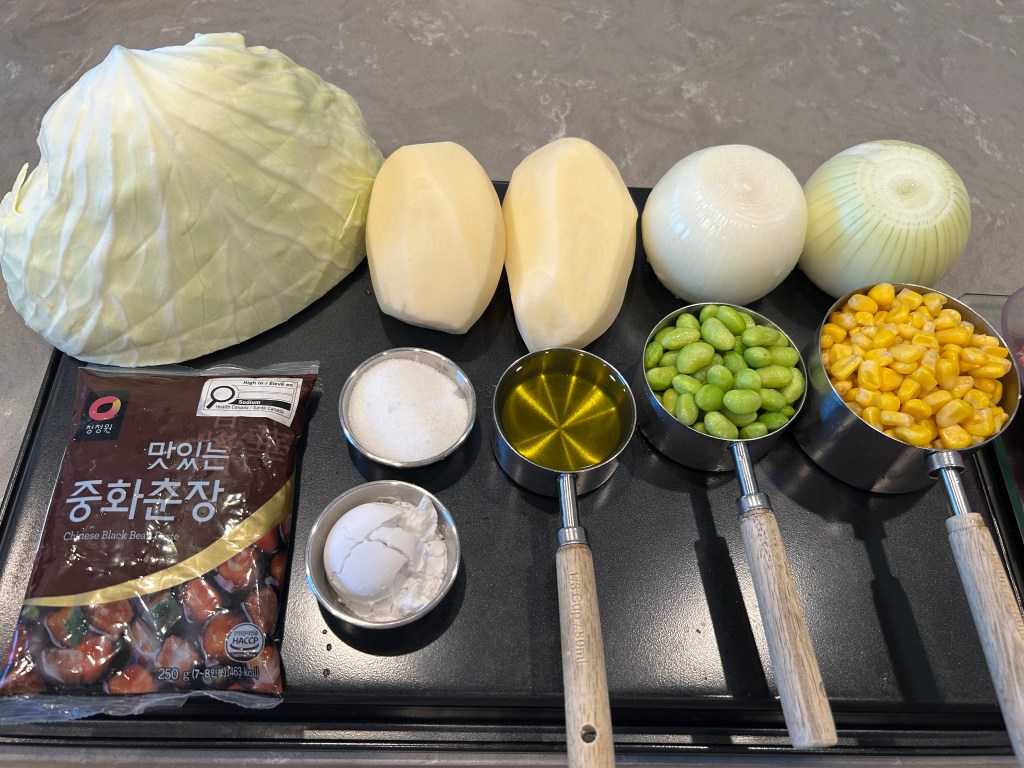
재료 (Ingredients)
시판용 춘장: 250g x 2봉지 (500g) / Commercial Chunjang (Black Bean Paste) 250g x 2 packs (500g)
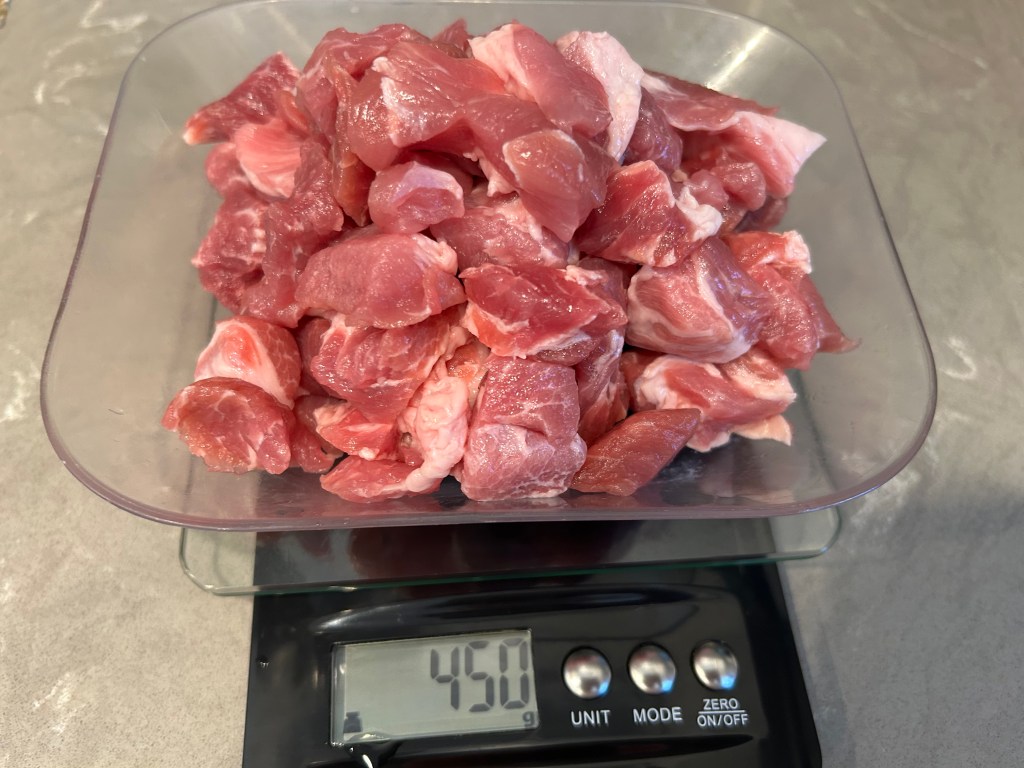
돼지고기: 450g / Pork 450g
감자: 2개 / Potatoes 2
양파: 2개 / Onions 2
양배추: 1/2통 / Cabbage 1/2 head
그린콩: 1/2Cup / Peas 1/2 Cup
옥수수콘: 1 Cup/ Sweet Corn 1 Cup
올리브 오일: 1/3 Cup / Olive Oil 1/3 Cup
설탕: 4 TBSP / Sugar 4 TBSP
물: 2L / Water 2L
전분물: 물 1/3 Cup + 감자전분 5 TBSP / Starch Water: Water 1/3 cup + Potato Starch 5 TBSP
짜장에 들어가는 모든 재료는 기름을 두른 팬에 각각 따로 볶은 뒤 마지막에 한데 모아 섞어주어야 합니다. 춘장만 볶은 상태에서 채소를 카레처럼 한 번에 넣어 끓이면, 특유의 고소한 풍미와 감칠맛이 살지 않고 채소에서 나온 수분 때문에 맛이 밍밍해질 수 있습니다.
All ingredients for the Jajang sauce should be stir-fried individually in an oiled pan before combining them at the end. If you add the vegetables all at once and simmer them like a curry after frying only the Chunjang, the signature nutty richness and umami won’t fully develop, and the moisture released from the vegetables may make the flavor watery.
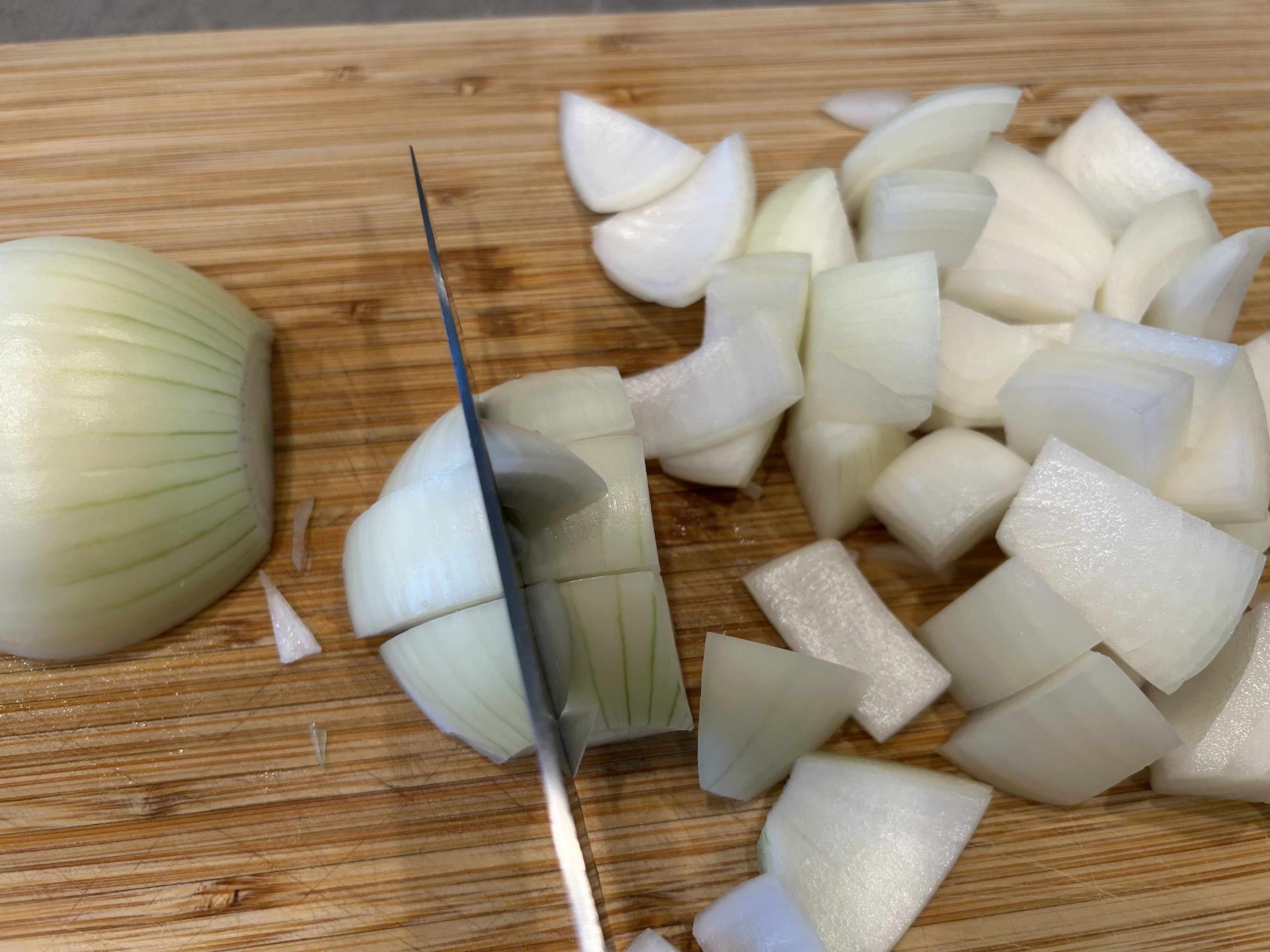
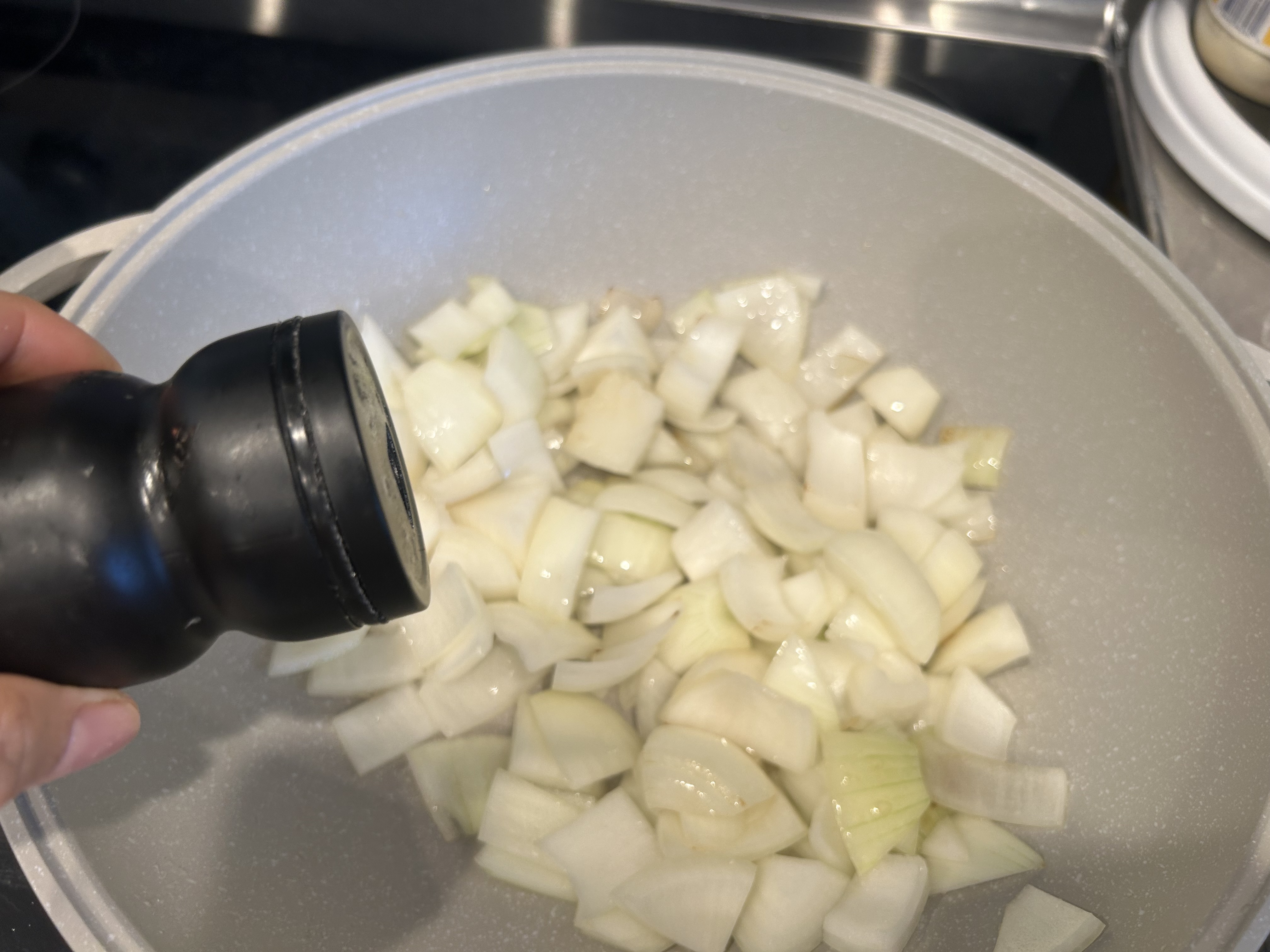
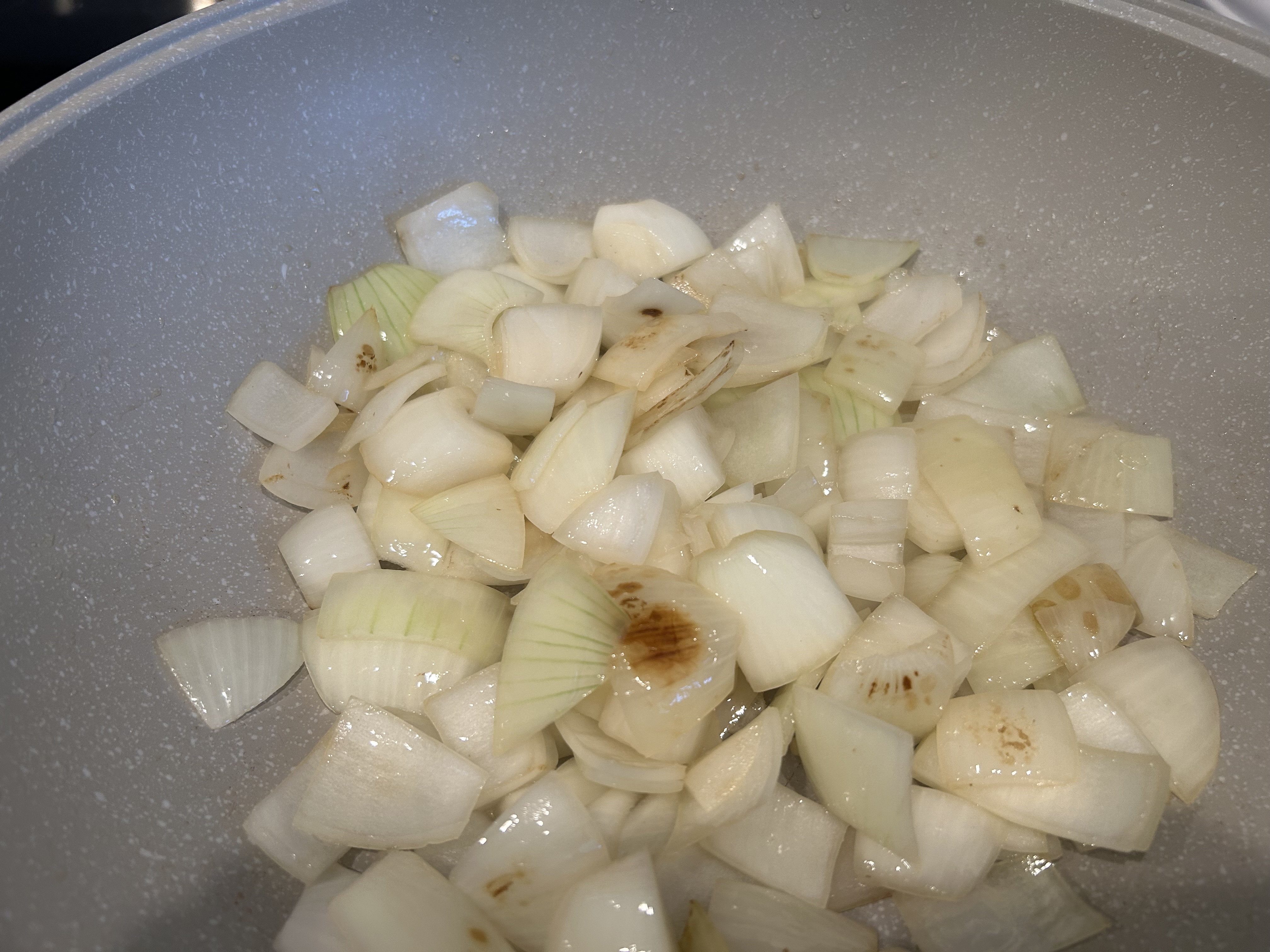
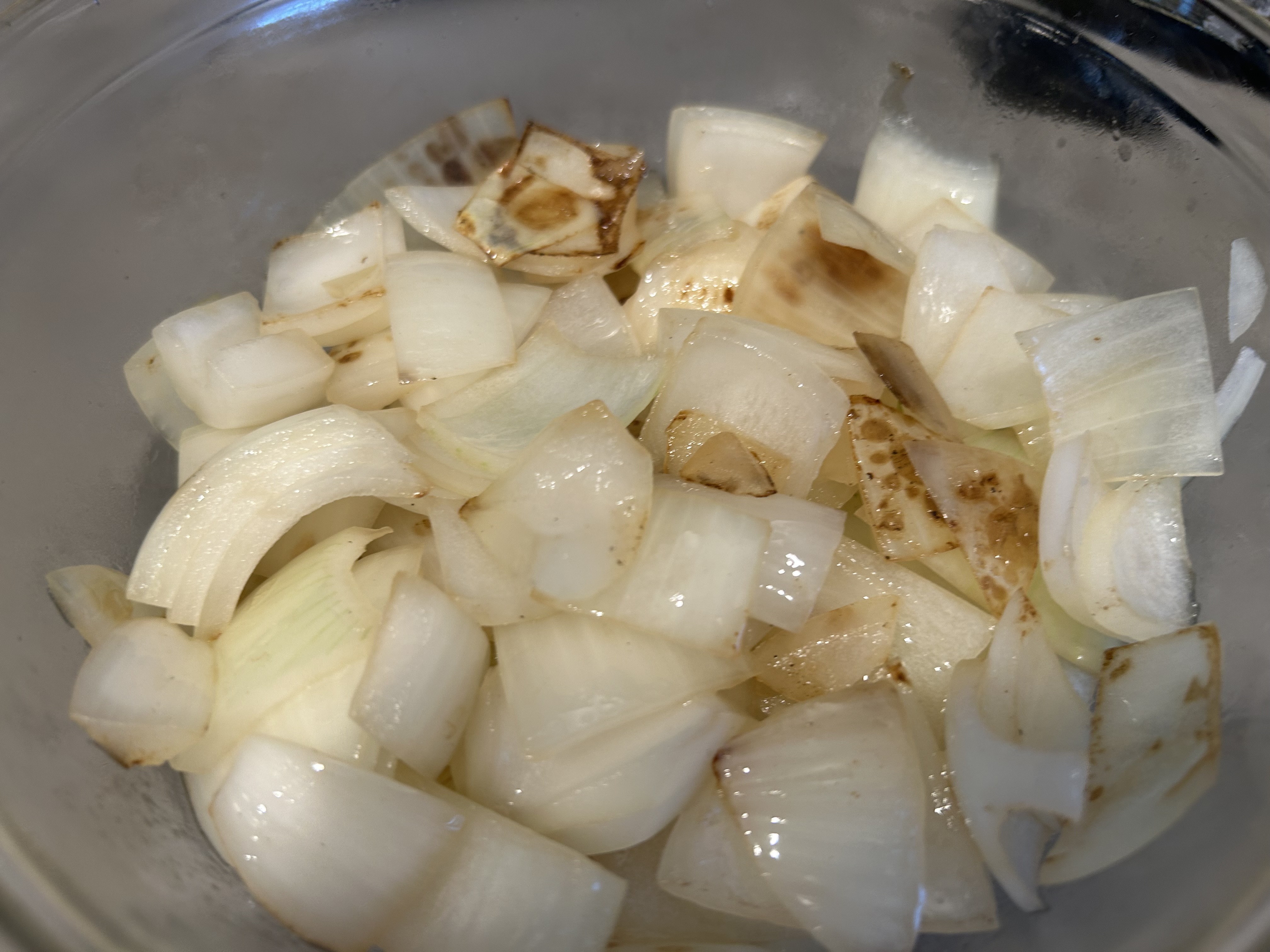
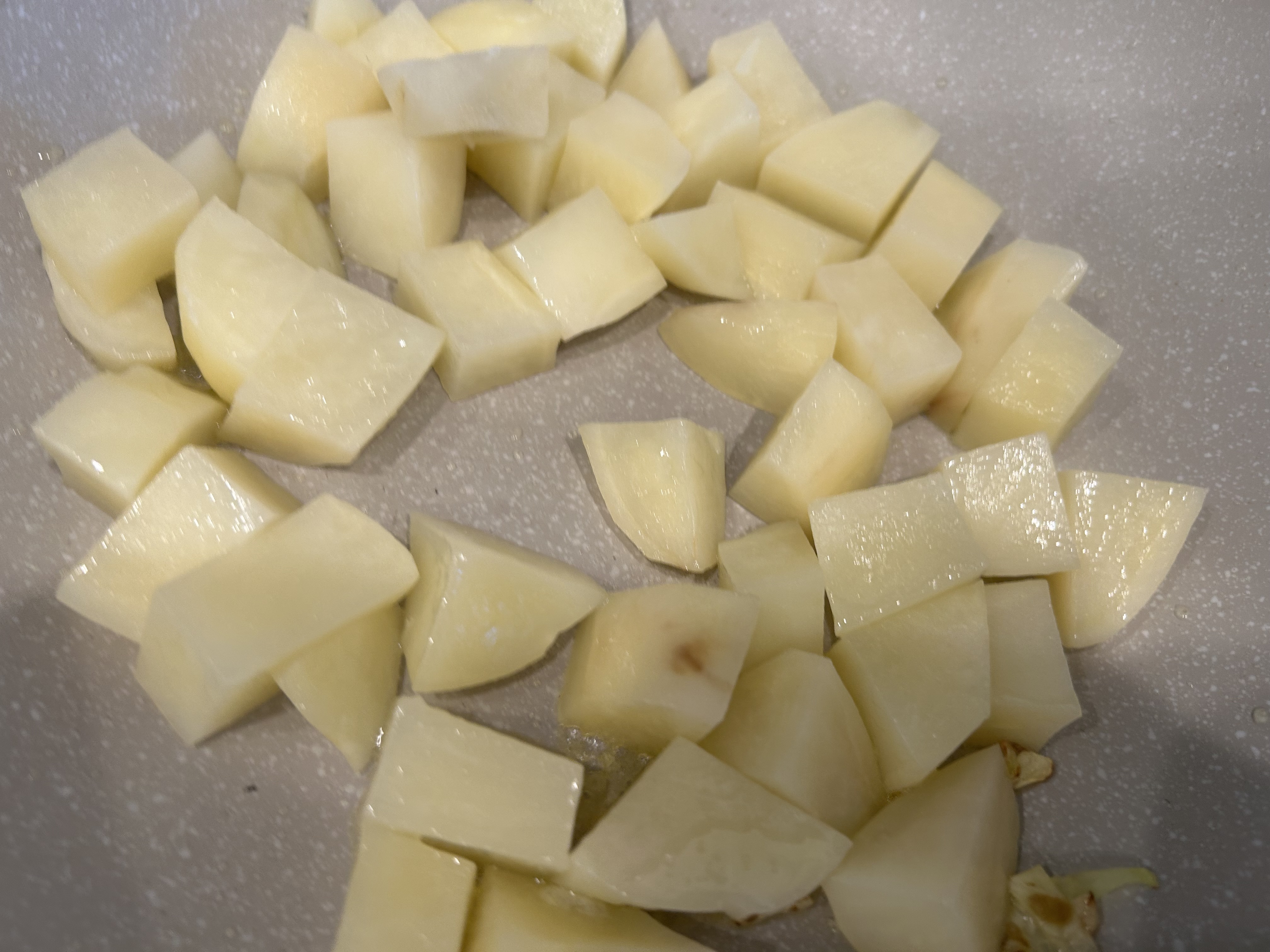
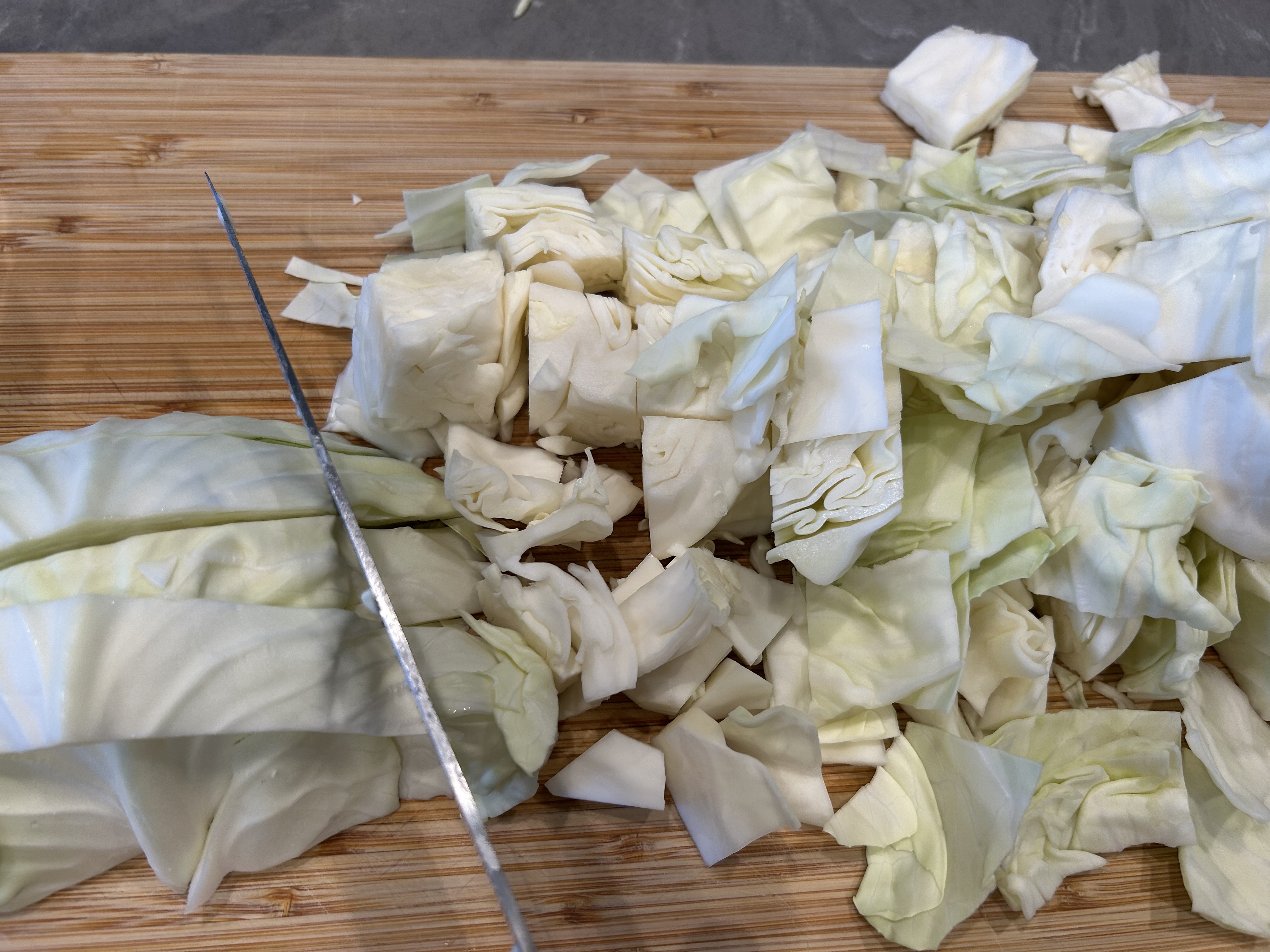
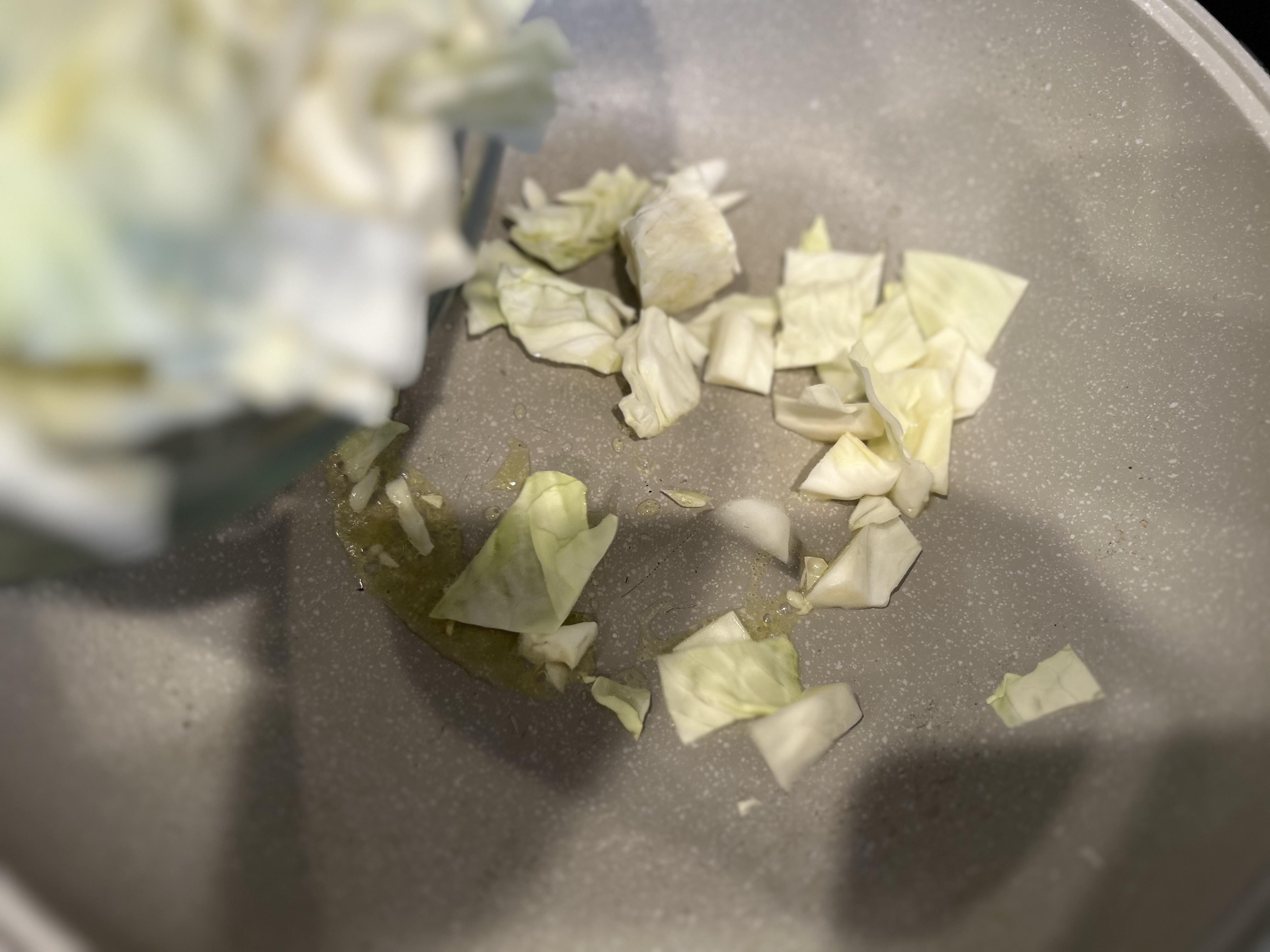
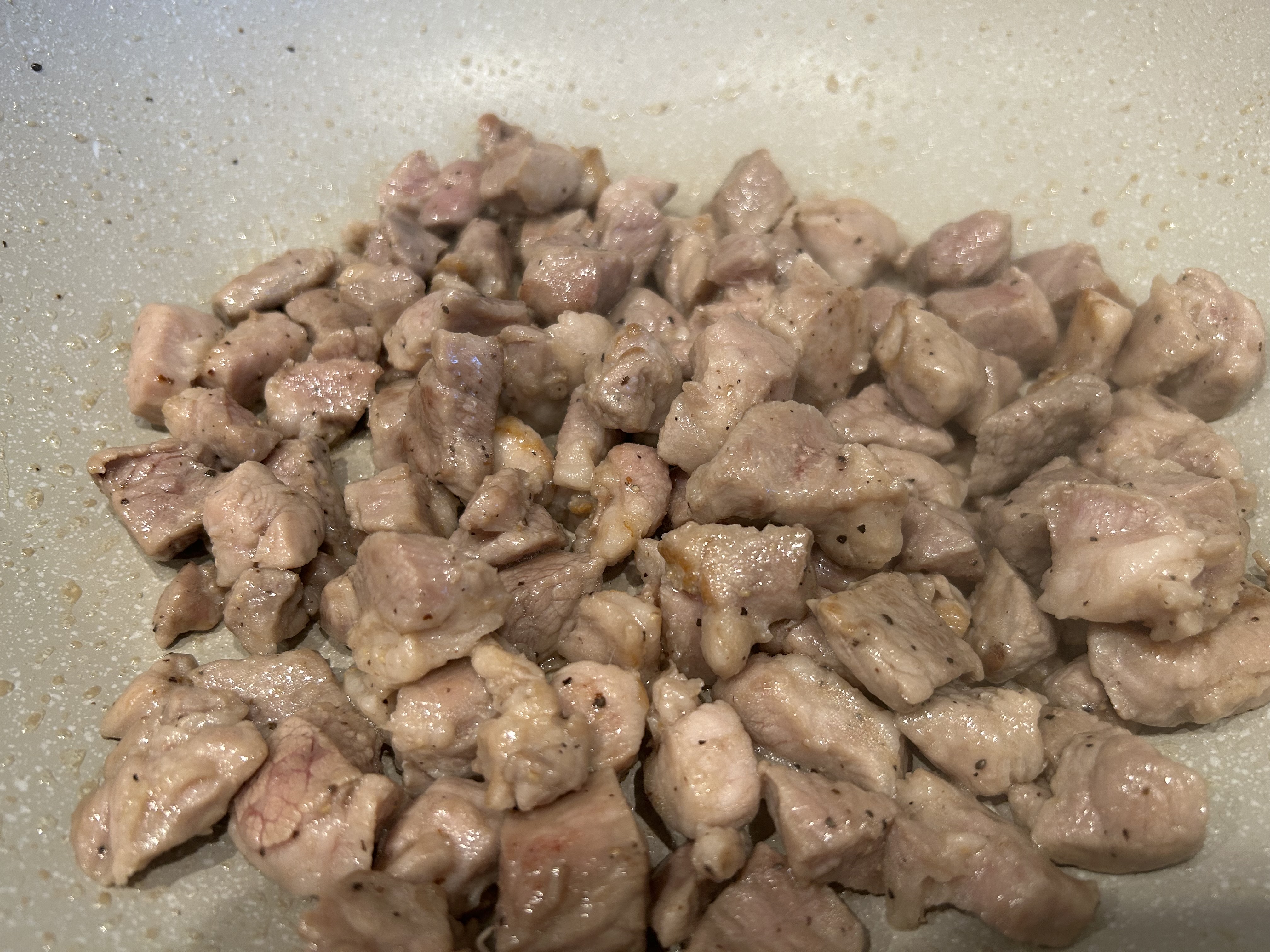
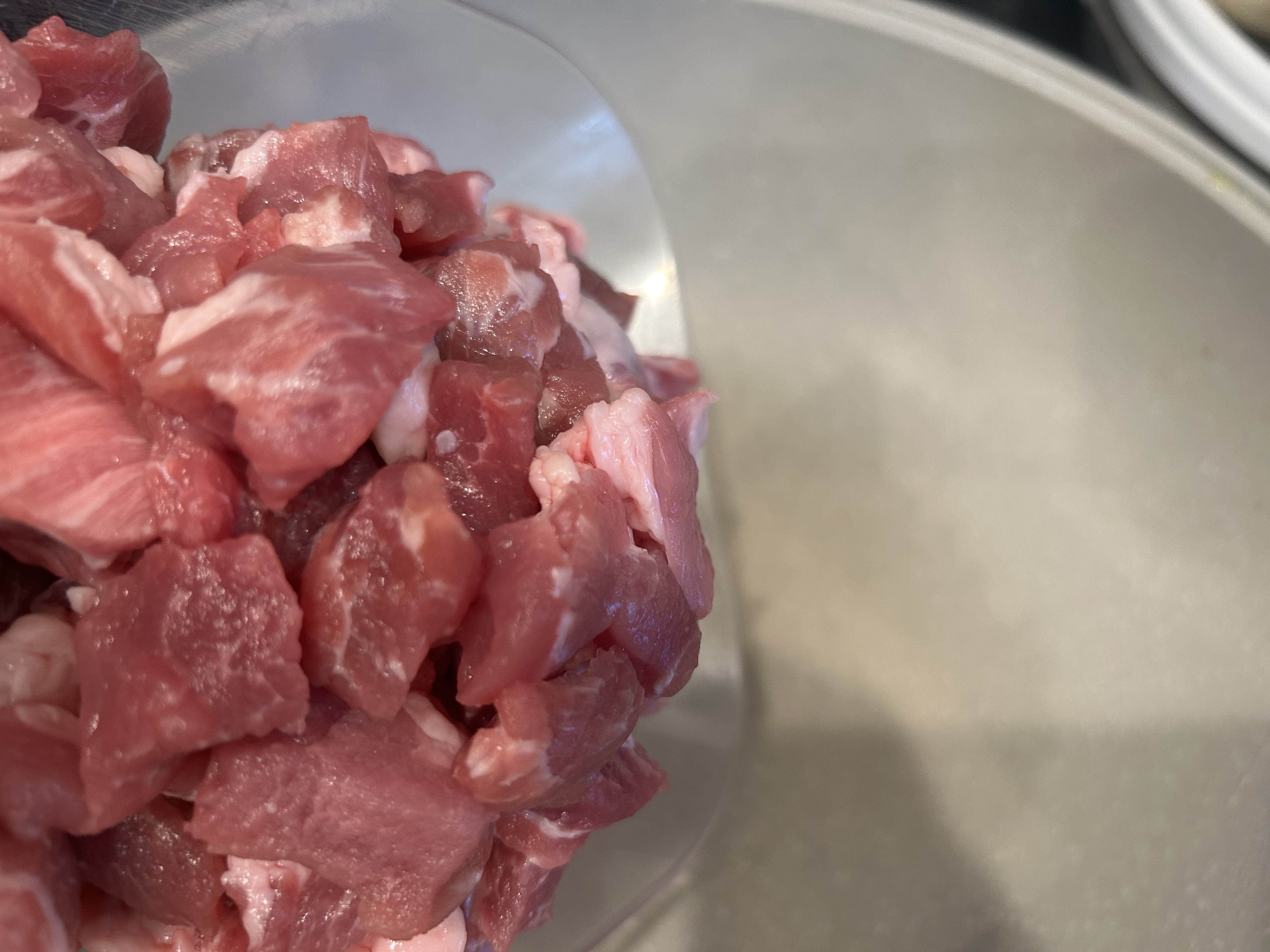
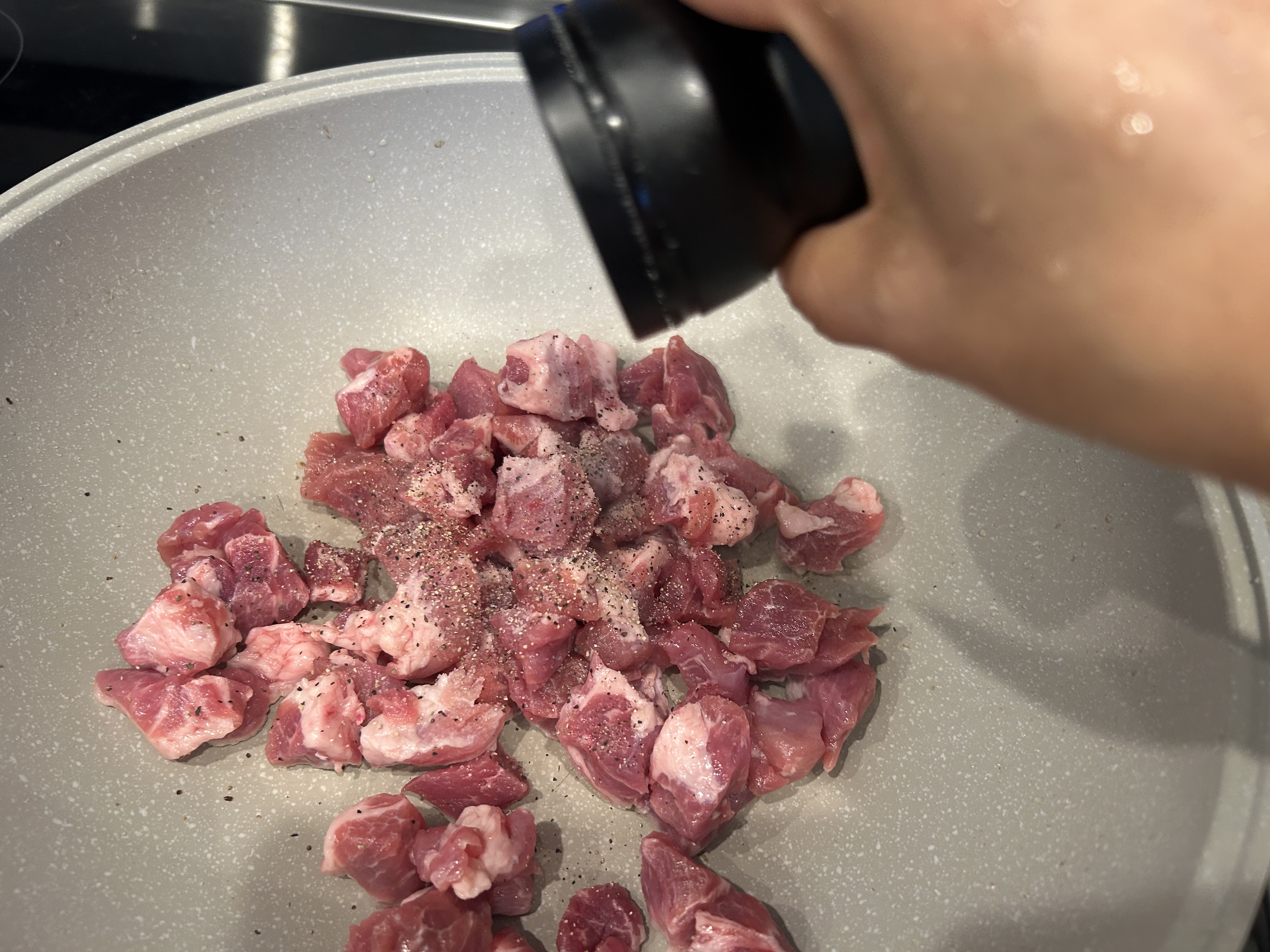
먼저 양파와 양배추, 감자, 돼지고기는 먹기 좋은 크기로 잘라서 기름두른 팬에 적당한 소금, 후추를 뿌려서 볶아 줍니다. 이때 완전히 익게 볶는 것이 아니라 기름 맛만 날 정도로 익으면 됩니다.
First, cut the onions, cabbage, potatoes, and pork into bite-sized pieces, then stir-fry them in an oiled pan with a pinch of salt and pepper. You don’t need to cook them completely through at this stage—just fry them enough to absorb the oil and flavor.
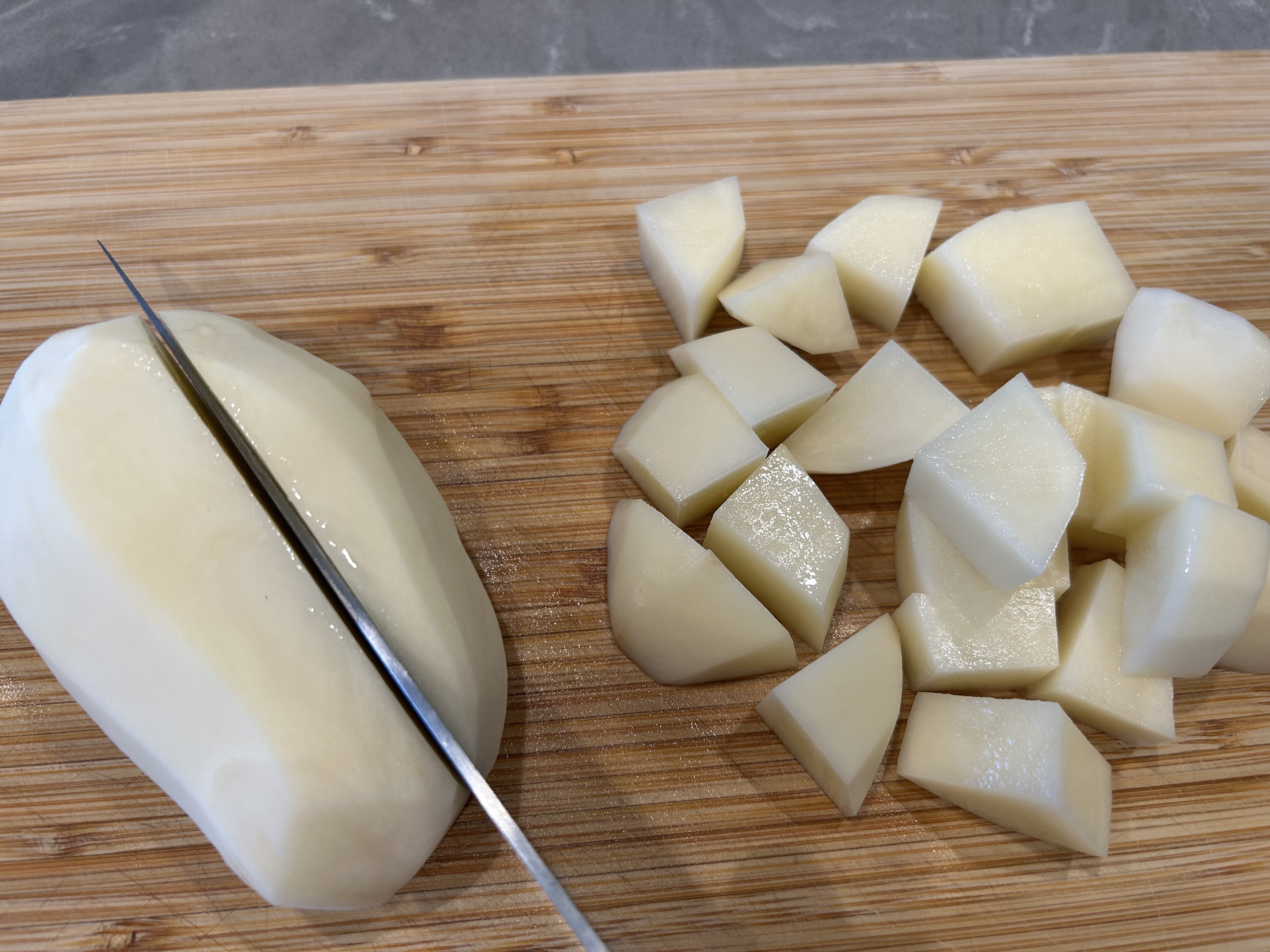
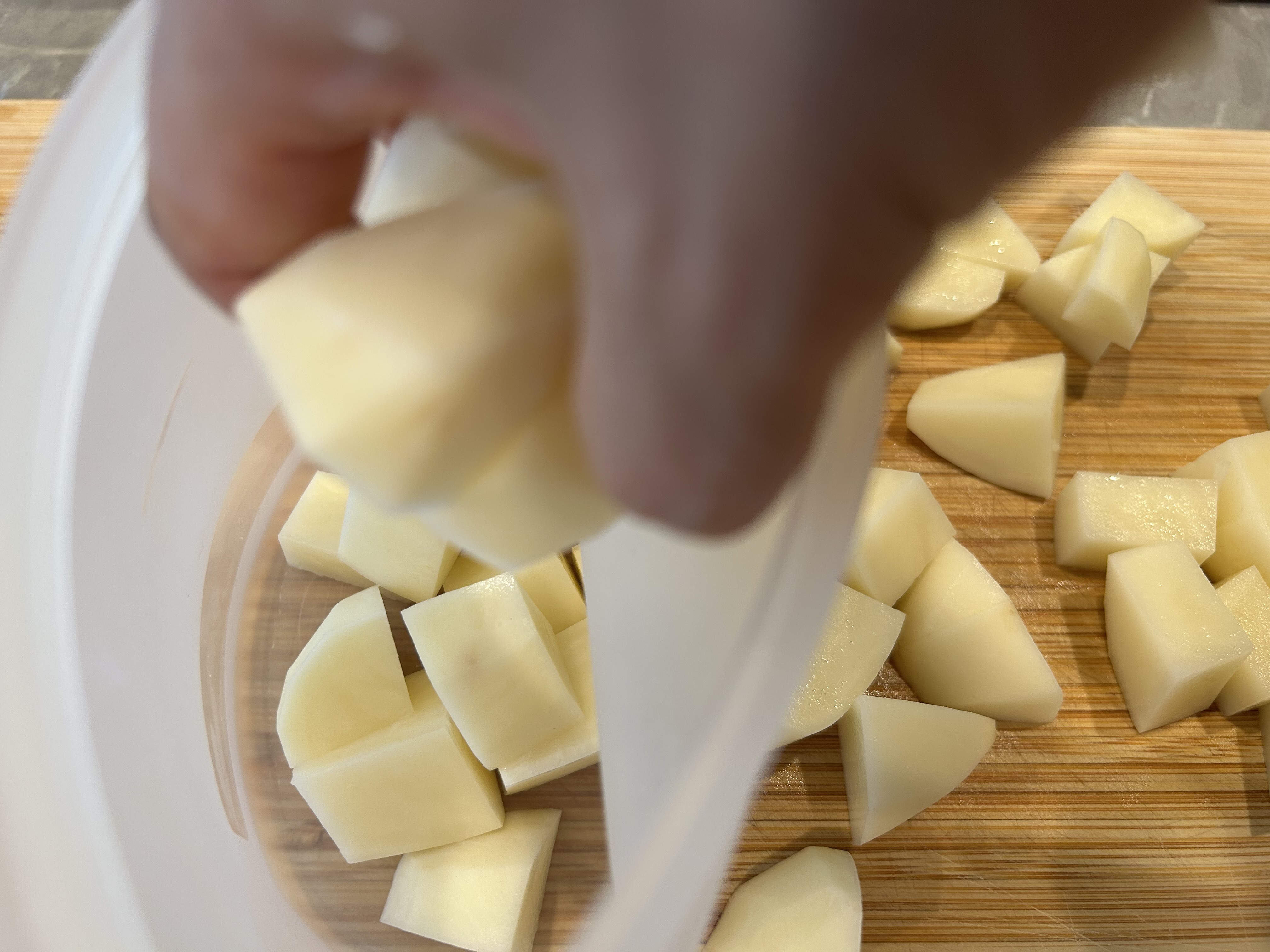
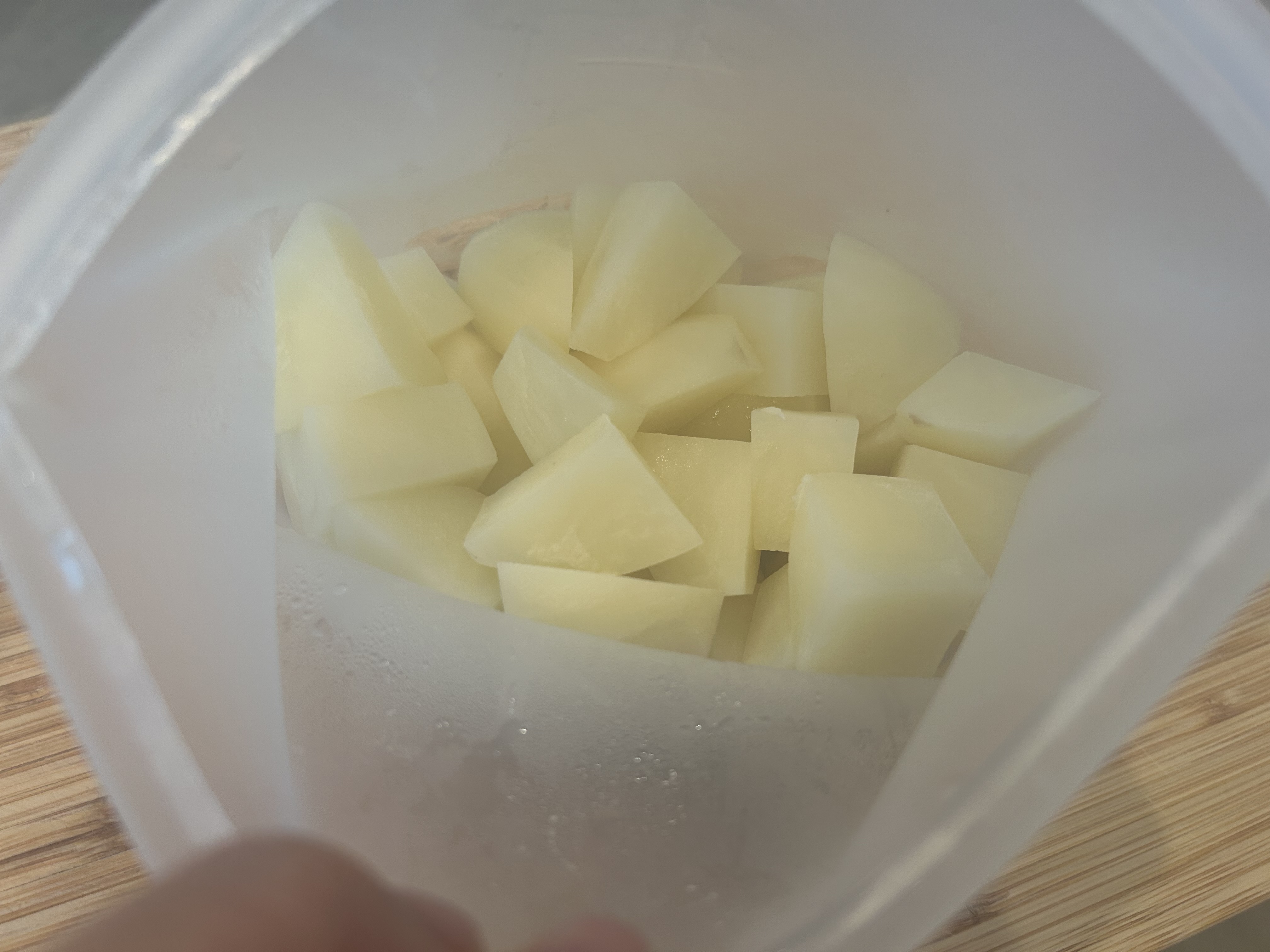
한 가지 팁이 있다면 감자는 썰어서 바로 팬에 볶지 않고 실리콘 백에 넣어서 전자렌지 3분 돌려주어 익혀준 후 기름팬에 볶으면 시간도 절약되고 빨리 익습니다.
Here is a useful tip: Instead of frying the potatoes in a pan right after cutting them, place them in a silicone bag and microwave them for 3 minutes first. Frying them in the oiled pan after microwaving saves time and cooks them much faster.
양파입니다. This is the onion.
감자 입니다. This is the potatoe.
양배추 입니다. This is the cabbage.
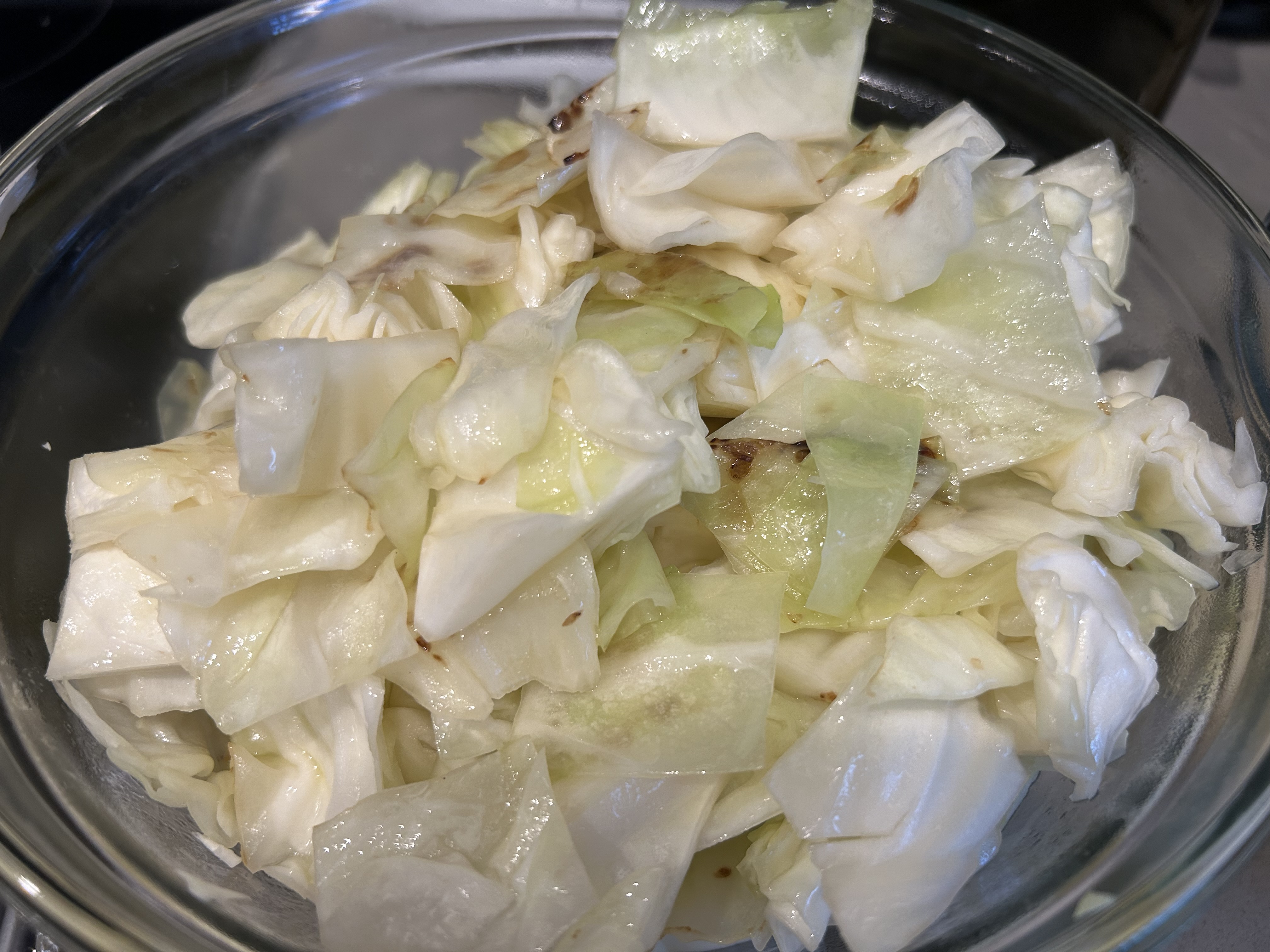
돼지고기 입니다. This is the pork.
춘장입니다. This is Chunjang (black bean paste).
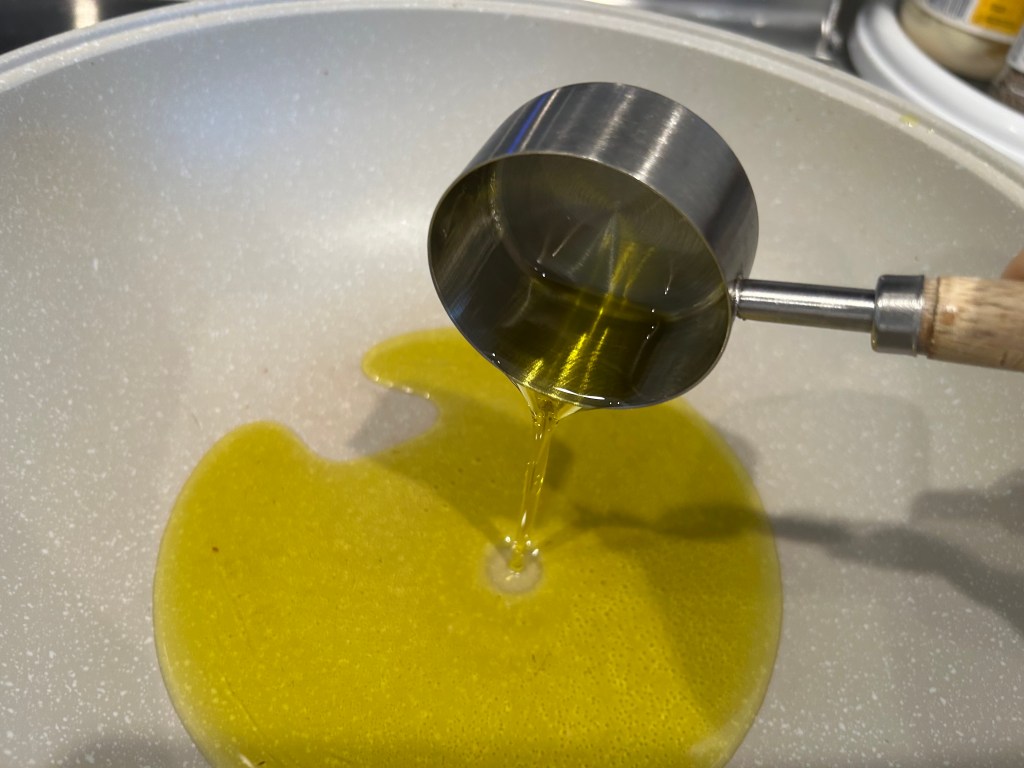
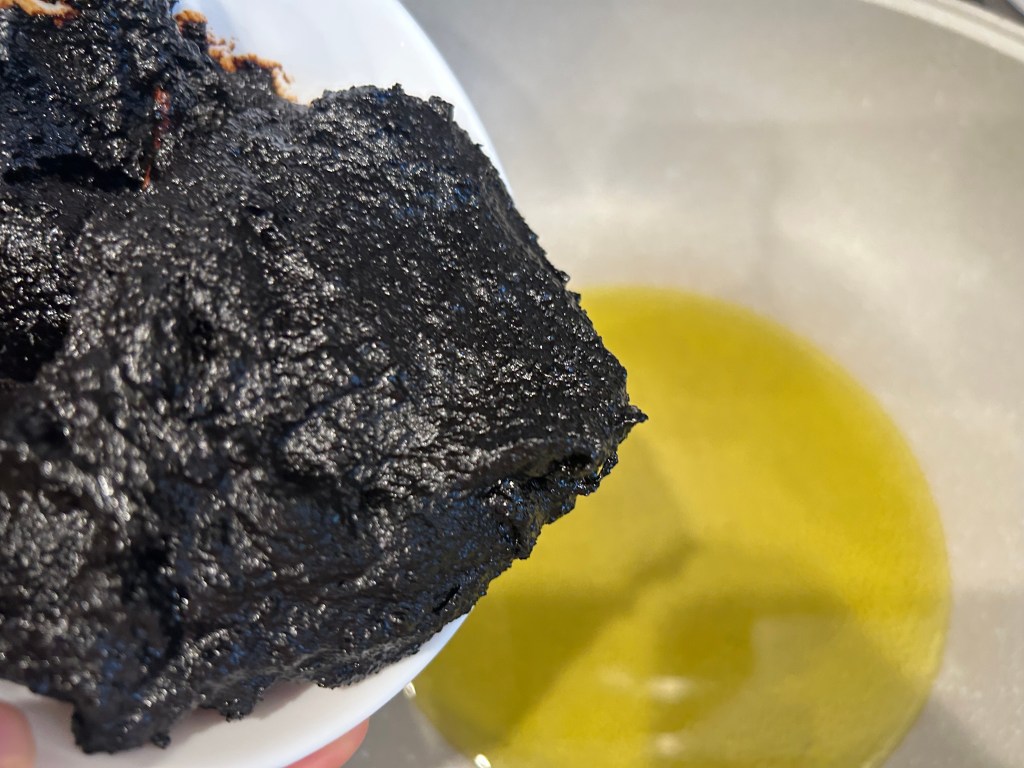
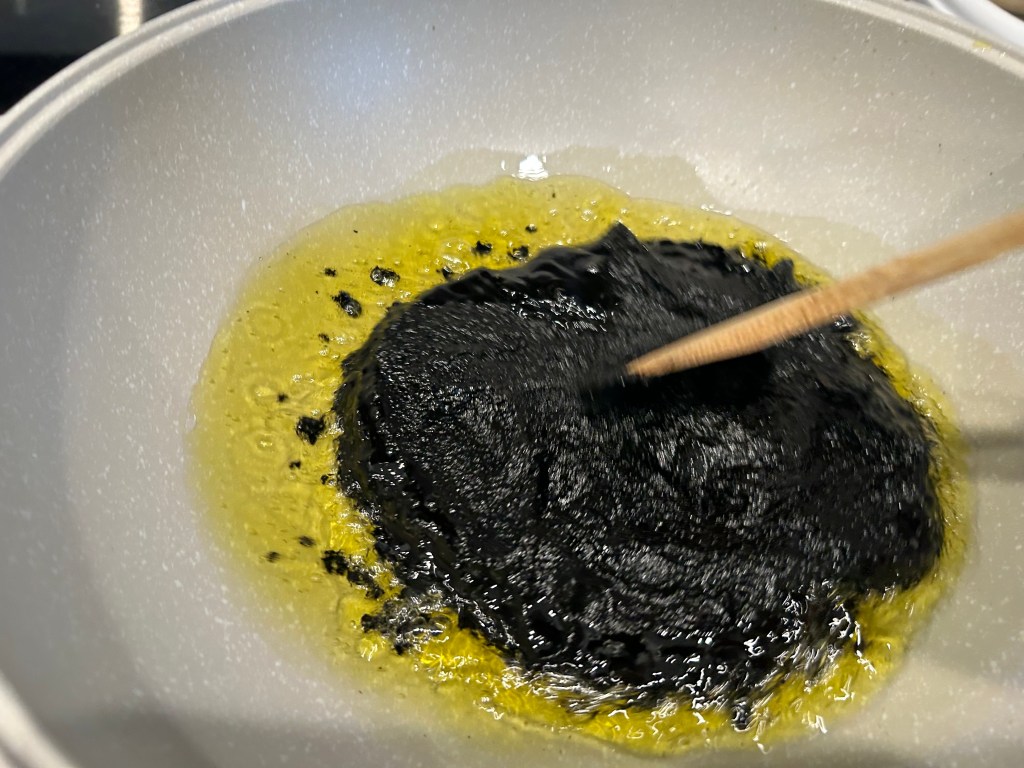
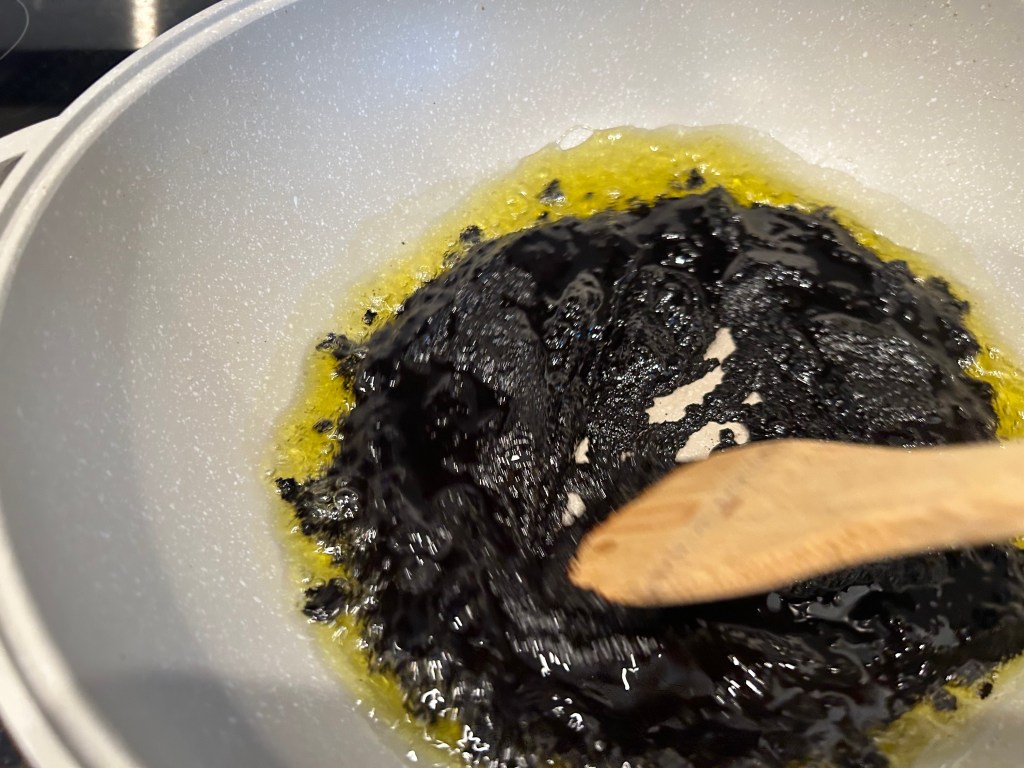
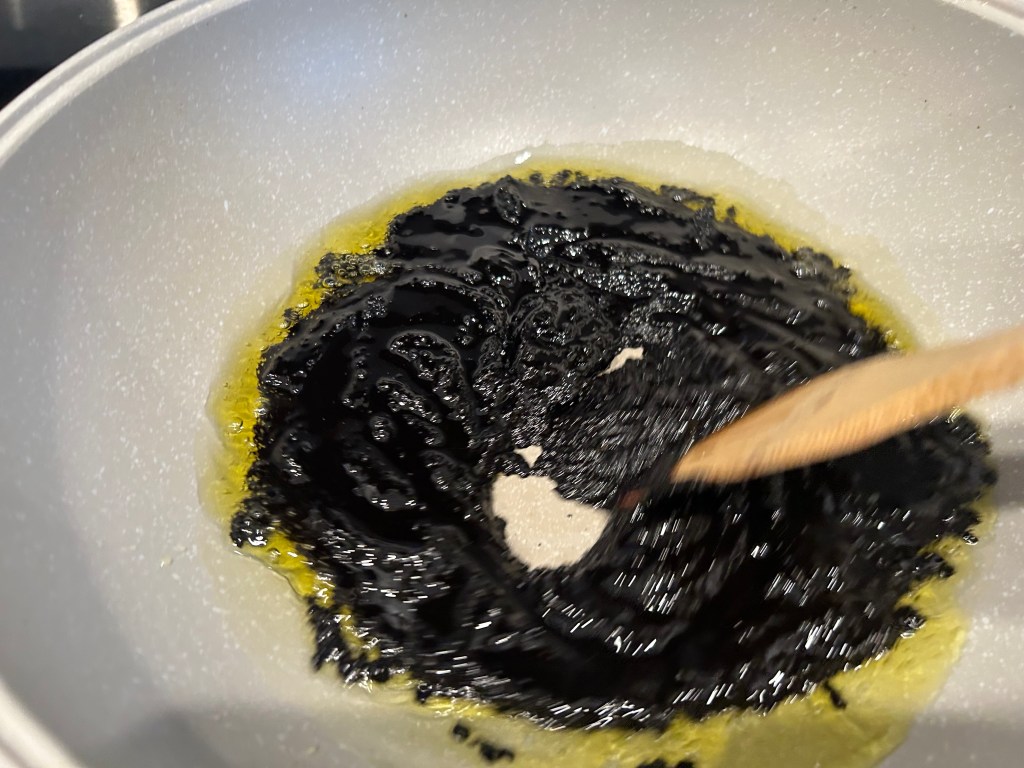
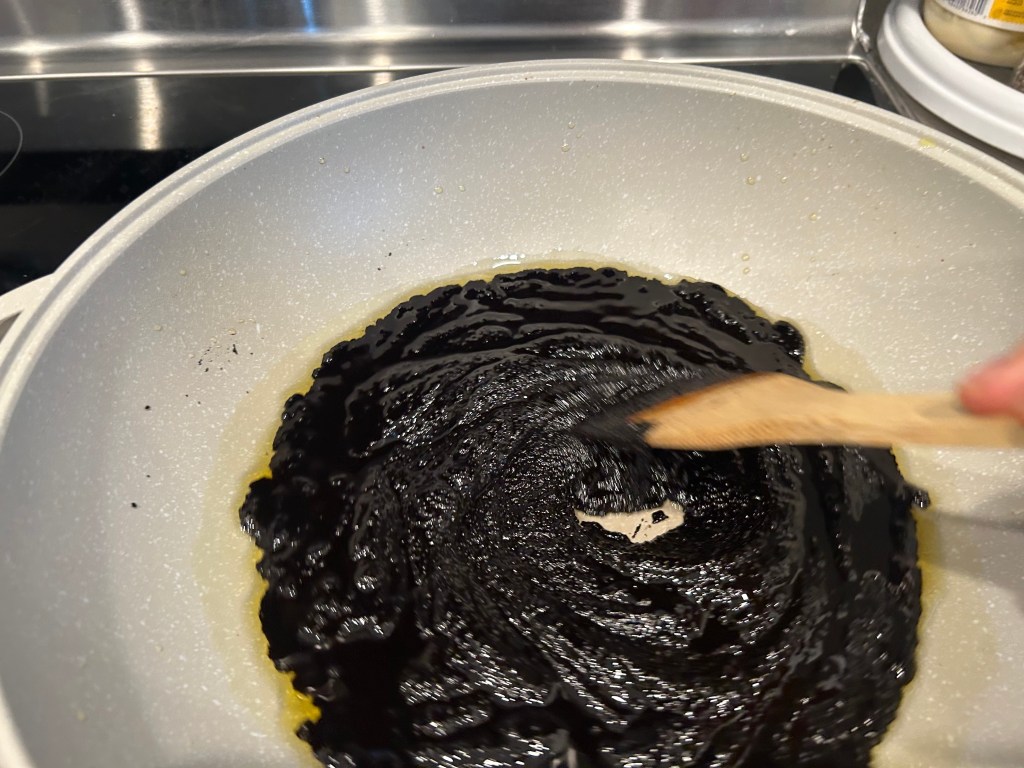
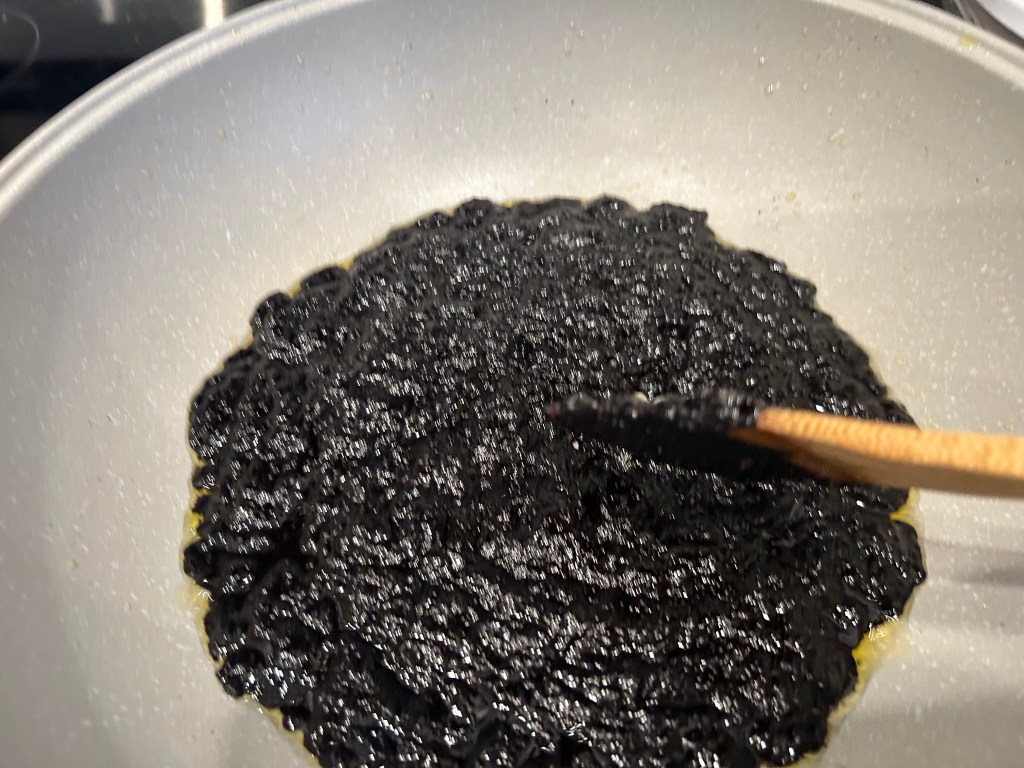
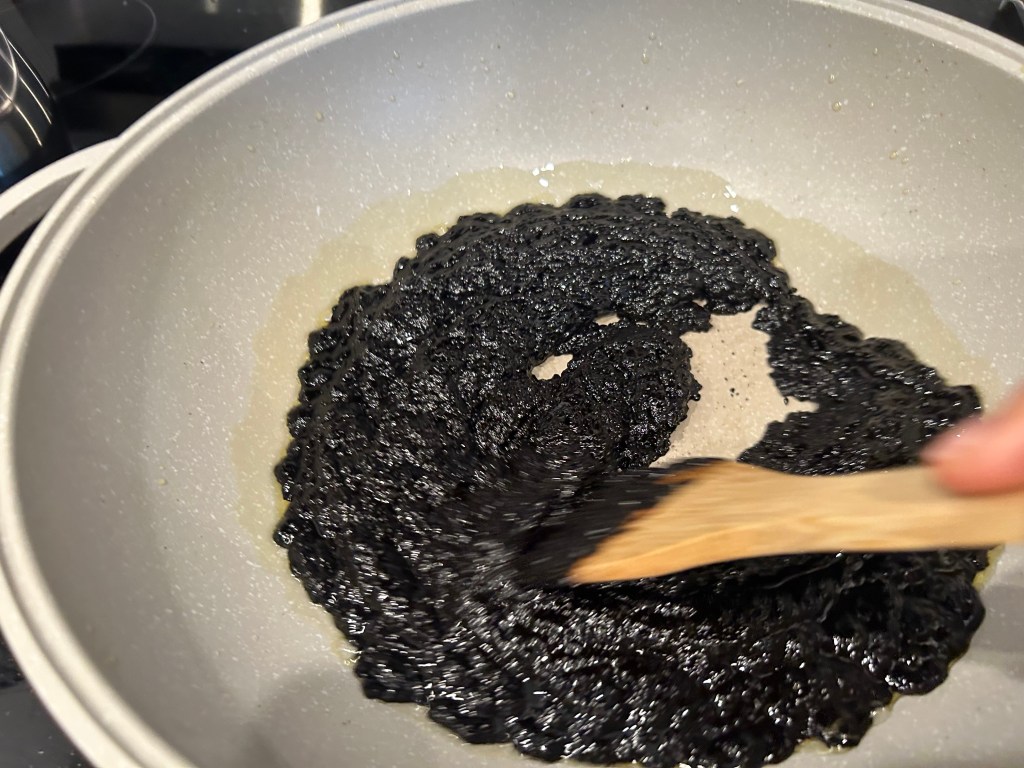
춘장은 올리브 오일 1/3CUP을 팬에 두르고 기름이 스며들기 까지 볶아주면 됩니다. (춘장이 잘 볶아져야 짜장의 맛이 좋습니다.)
Stir-fry Chunjang in a pan with 1/3 cup of olive oil until the oil is fully absorbed into the paste. (Properly stir-frying Chunjang is key to bringing out the best flavor in your Jajang sauce.)
끓이기 입니다. This is boiling.
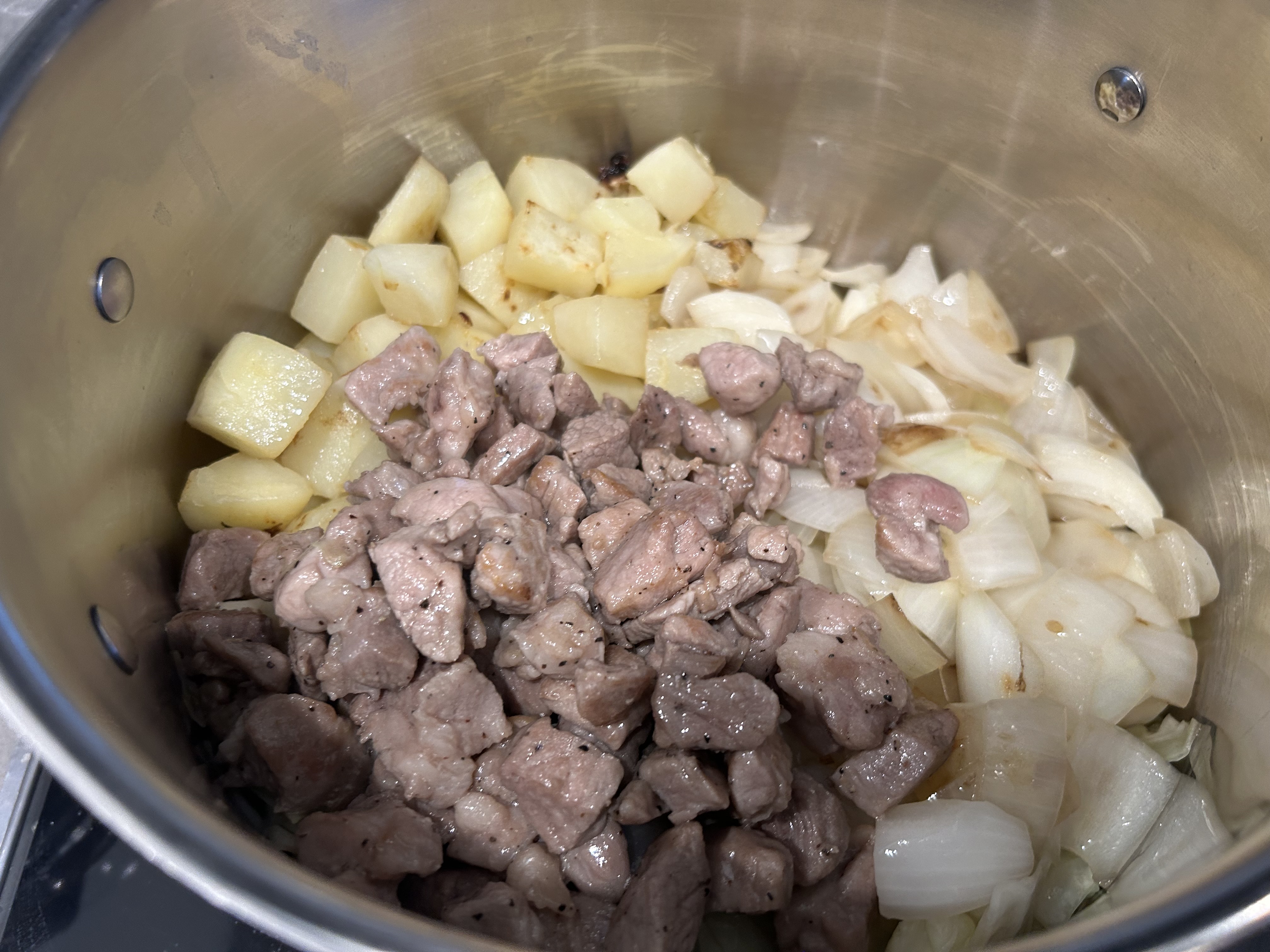
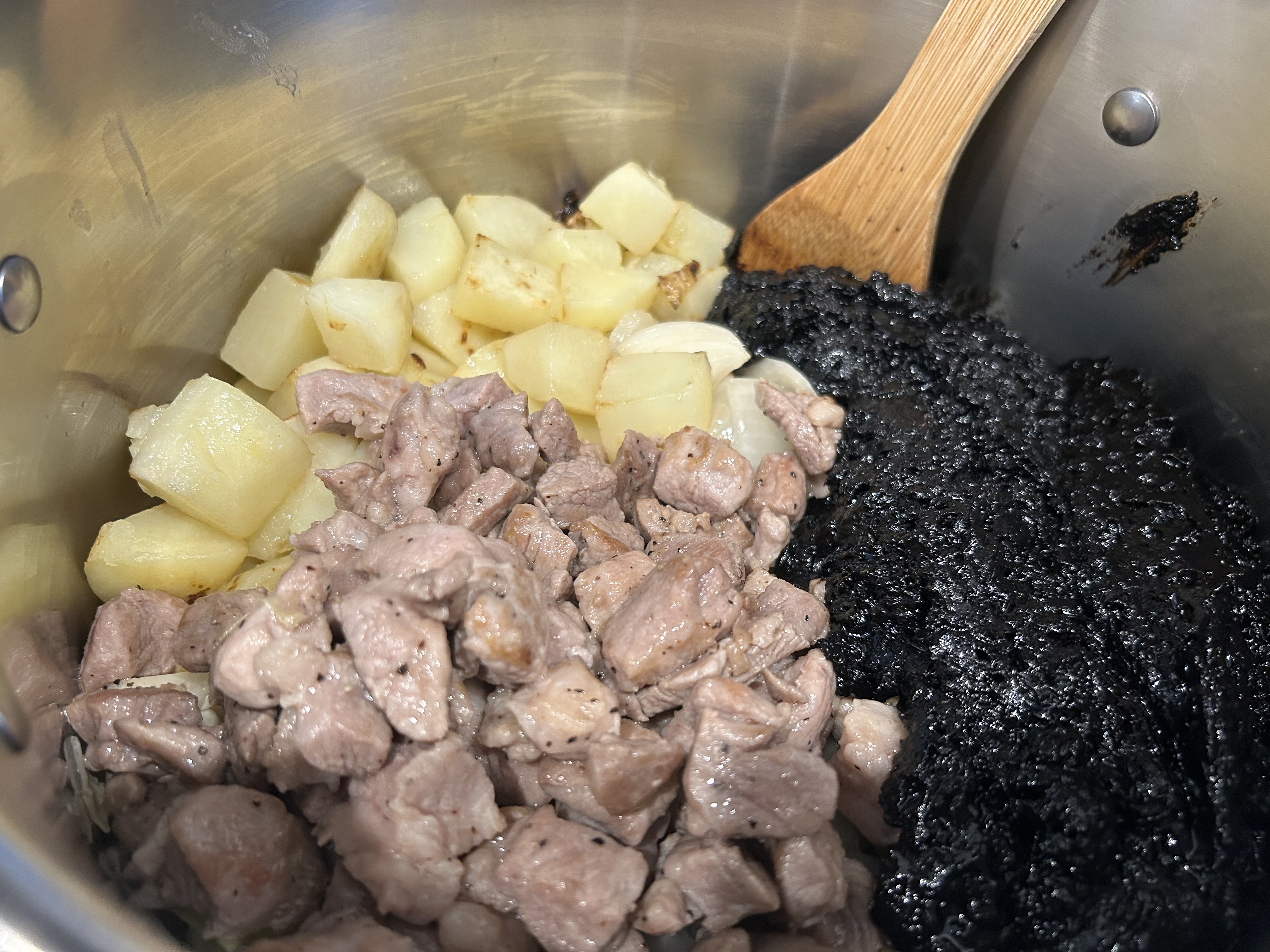
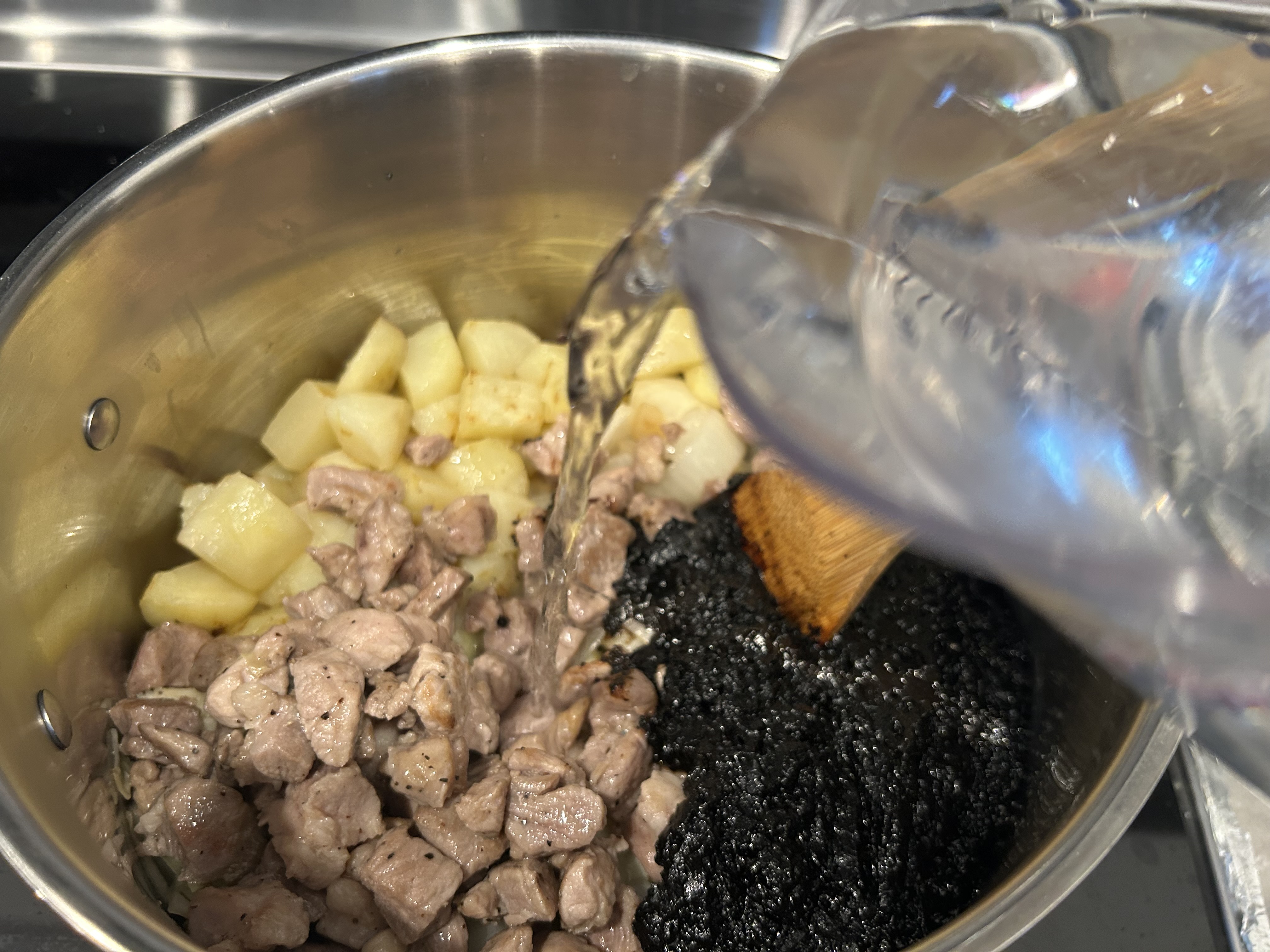
큰 냄비에 볶아 놓은 모든 재료들을 넣어주고 물 2L를 넣어줍니다. 물의 양은 야채들이 자박하게 잠길 정도의 양이면 됩니다.
Put all the stir-fried ingredients into a large pot and add 2 liters of water. The amount of water should be just enough to lightly cover the vegetables.
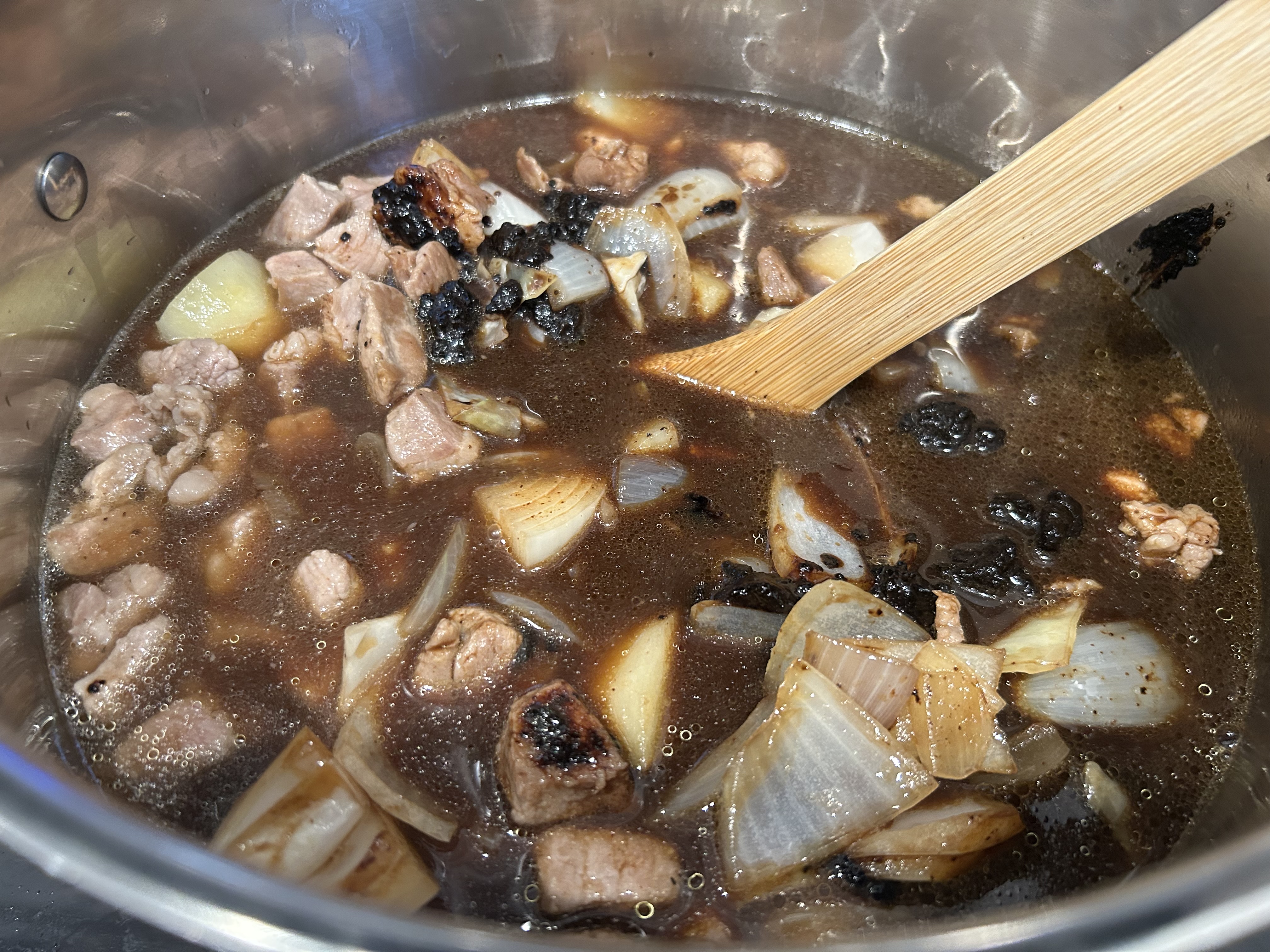
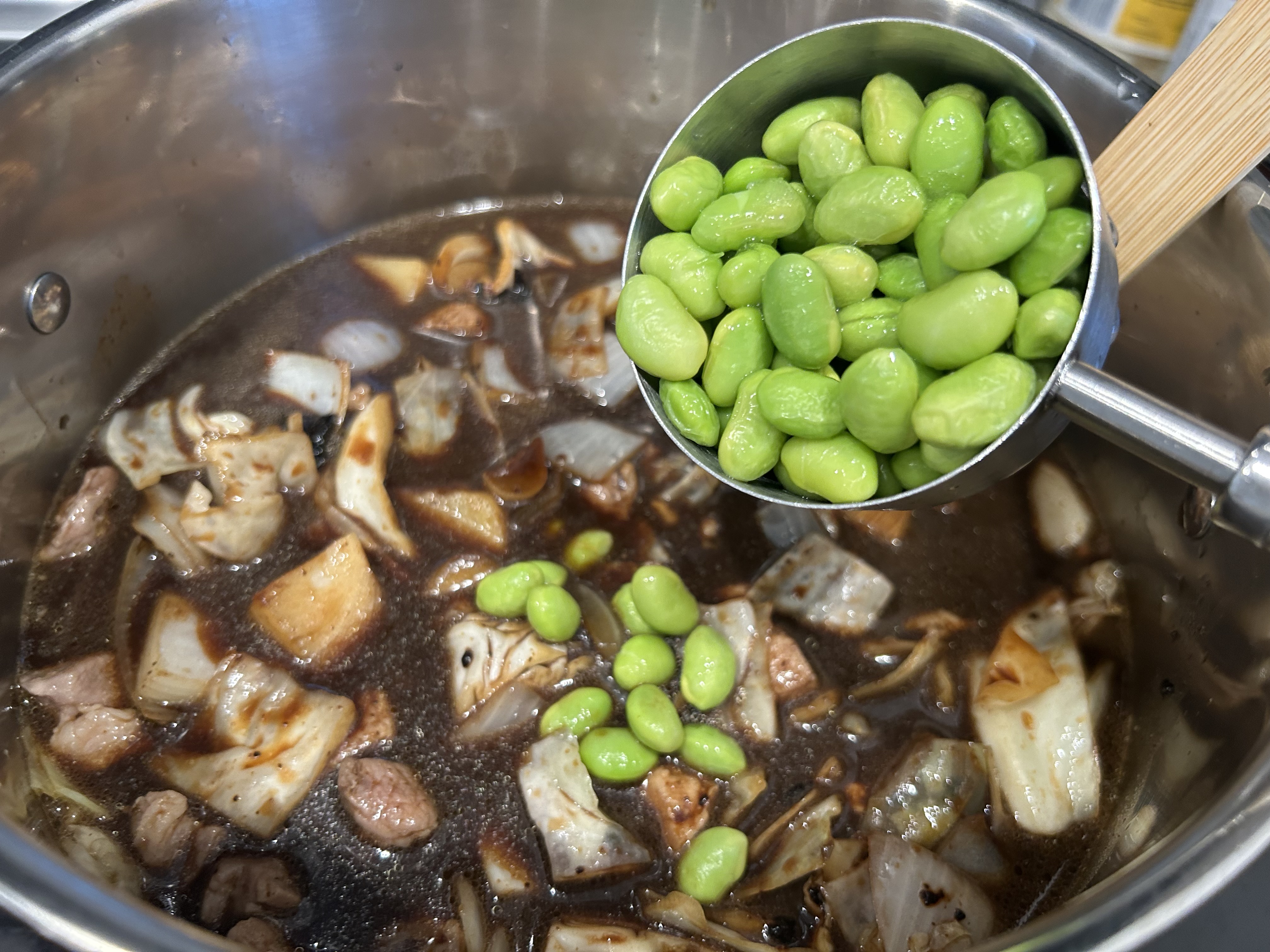
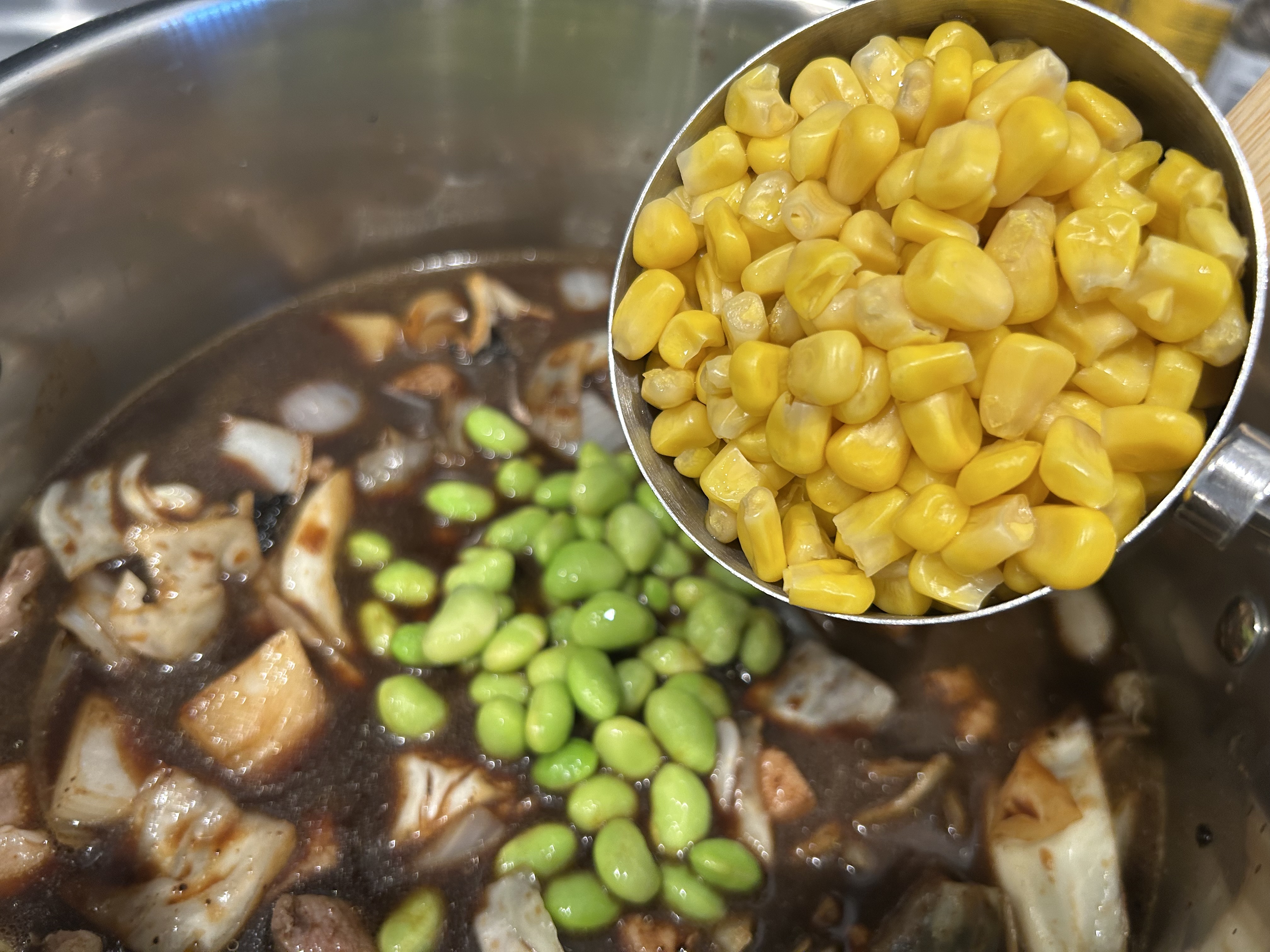
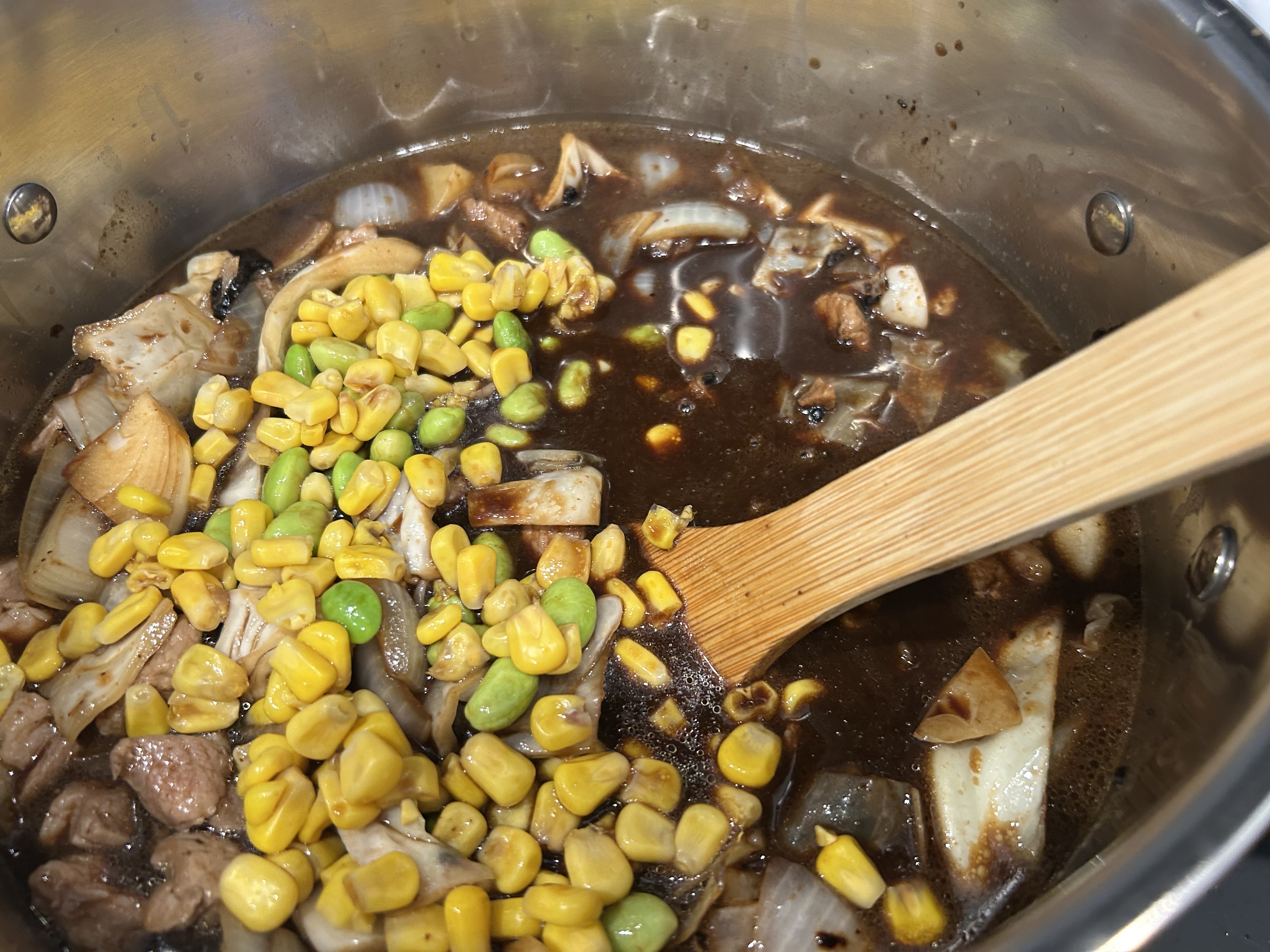
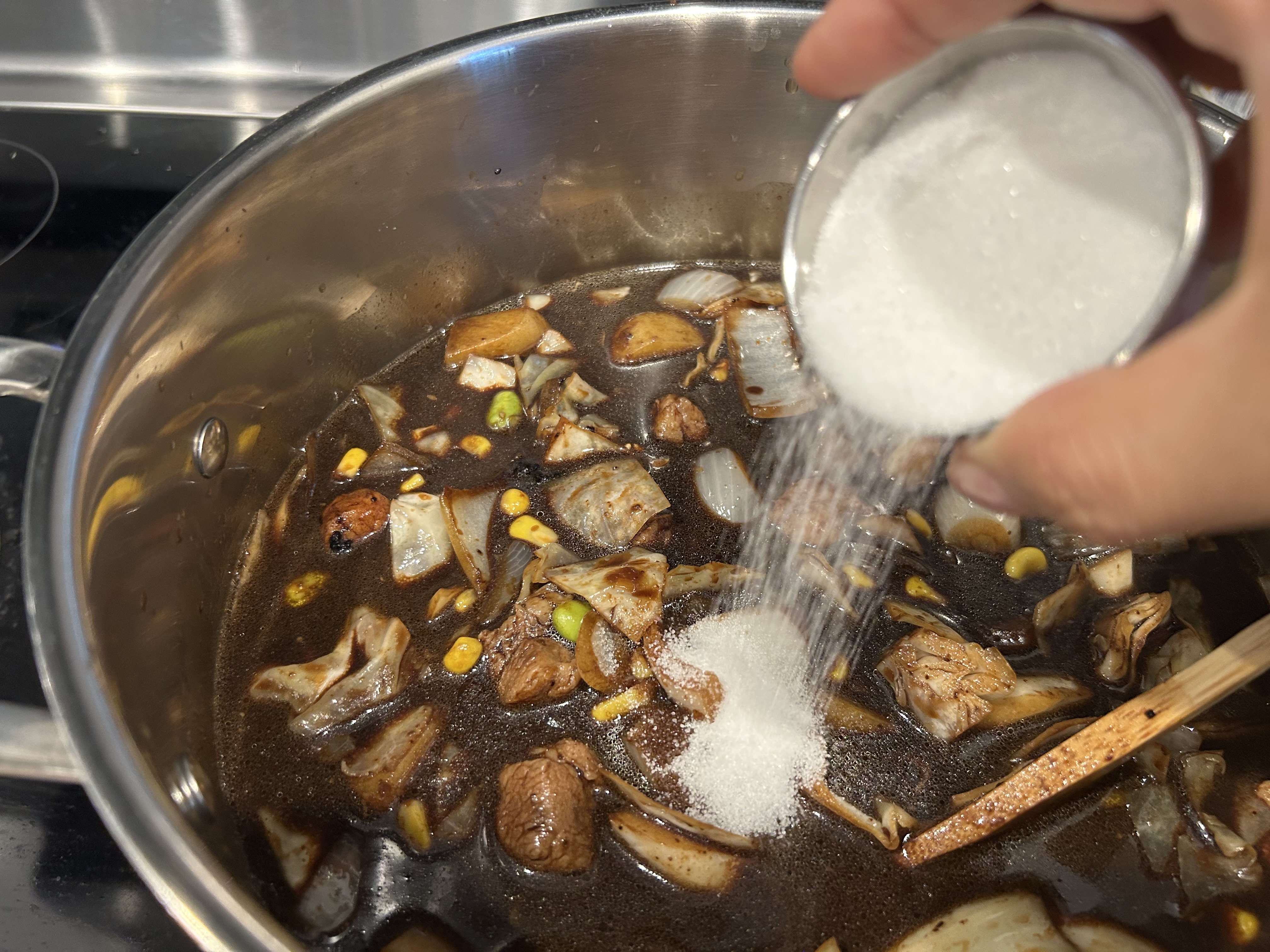
그린콩과 옥수수콘, 설탕 4TBSP을 넣어줍니다.
Add green peas, sweet corn, and 4 TBSP of sugar.
재료들이 끓기 전에 전분물 : 물 1/3 Cup + 감자전분 5 TBSP 을 준비해야 합니다.
Before the ingredients start boiling, you should prepare the starch water: 1/3 cup of water + 5 TBSP of potato starch.
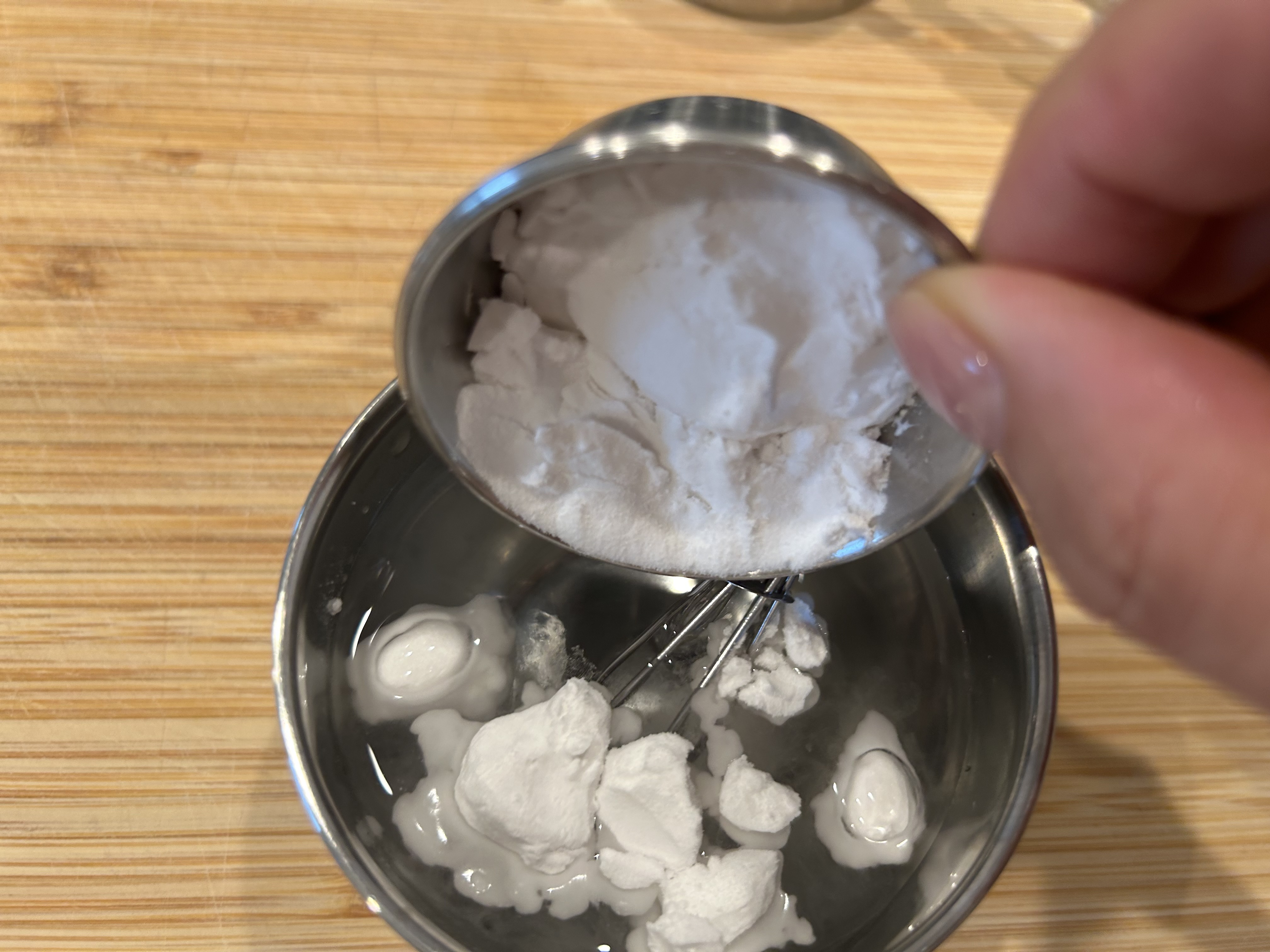
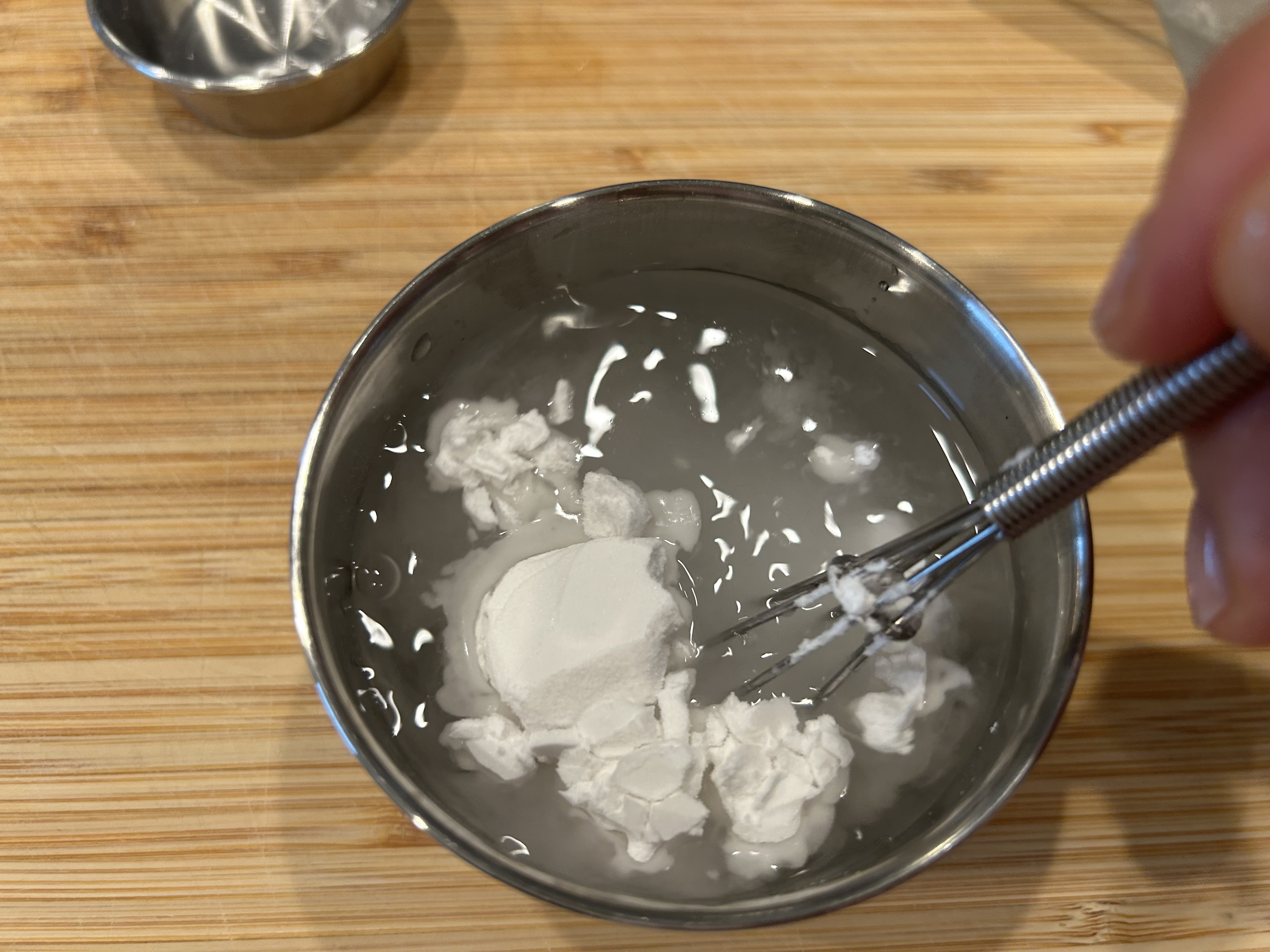
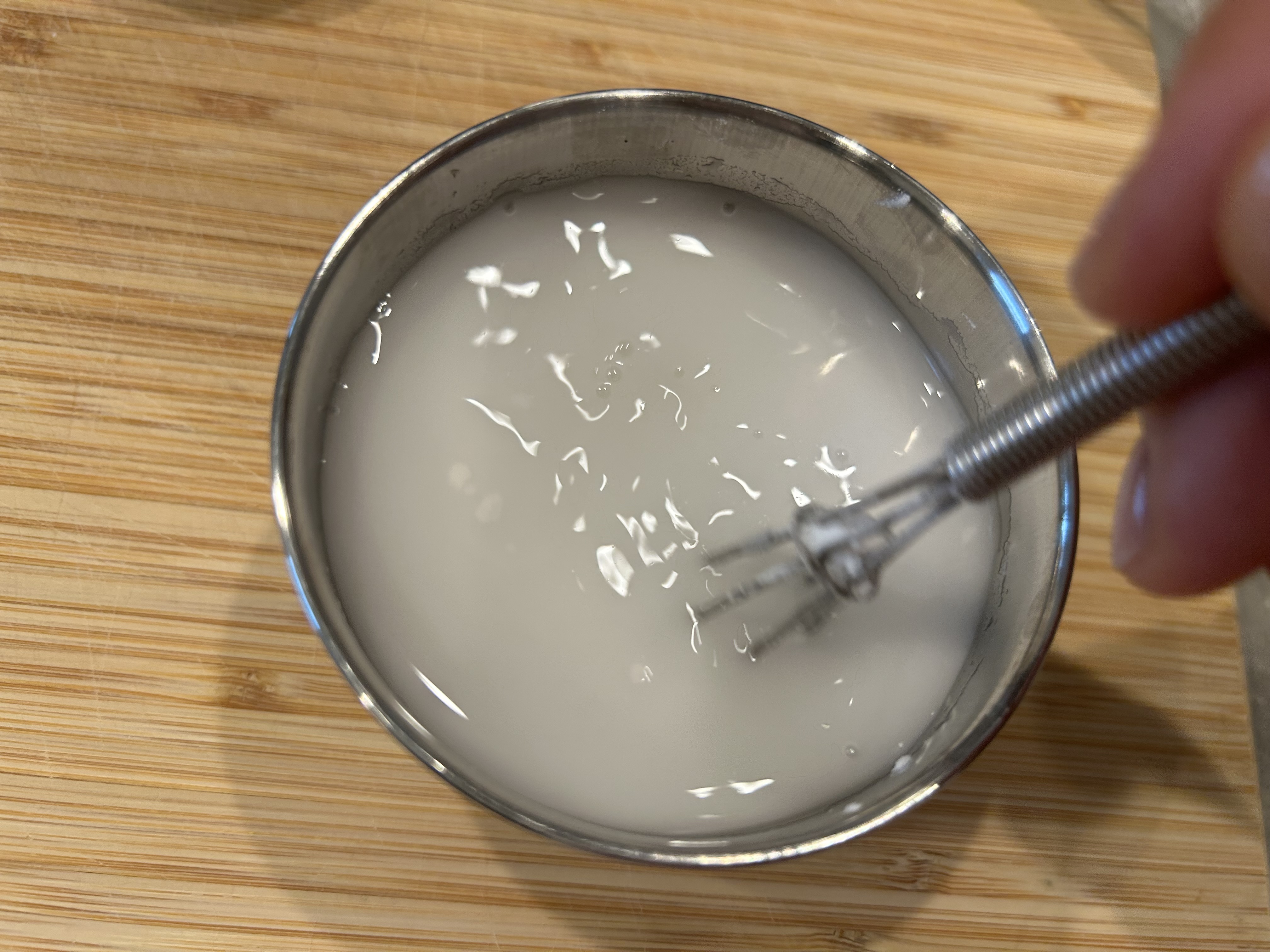
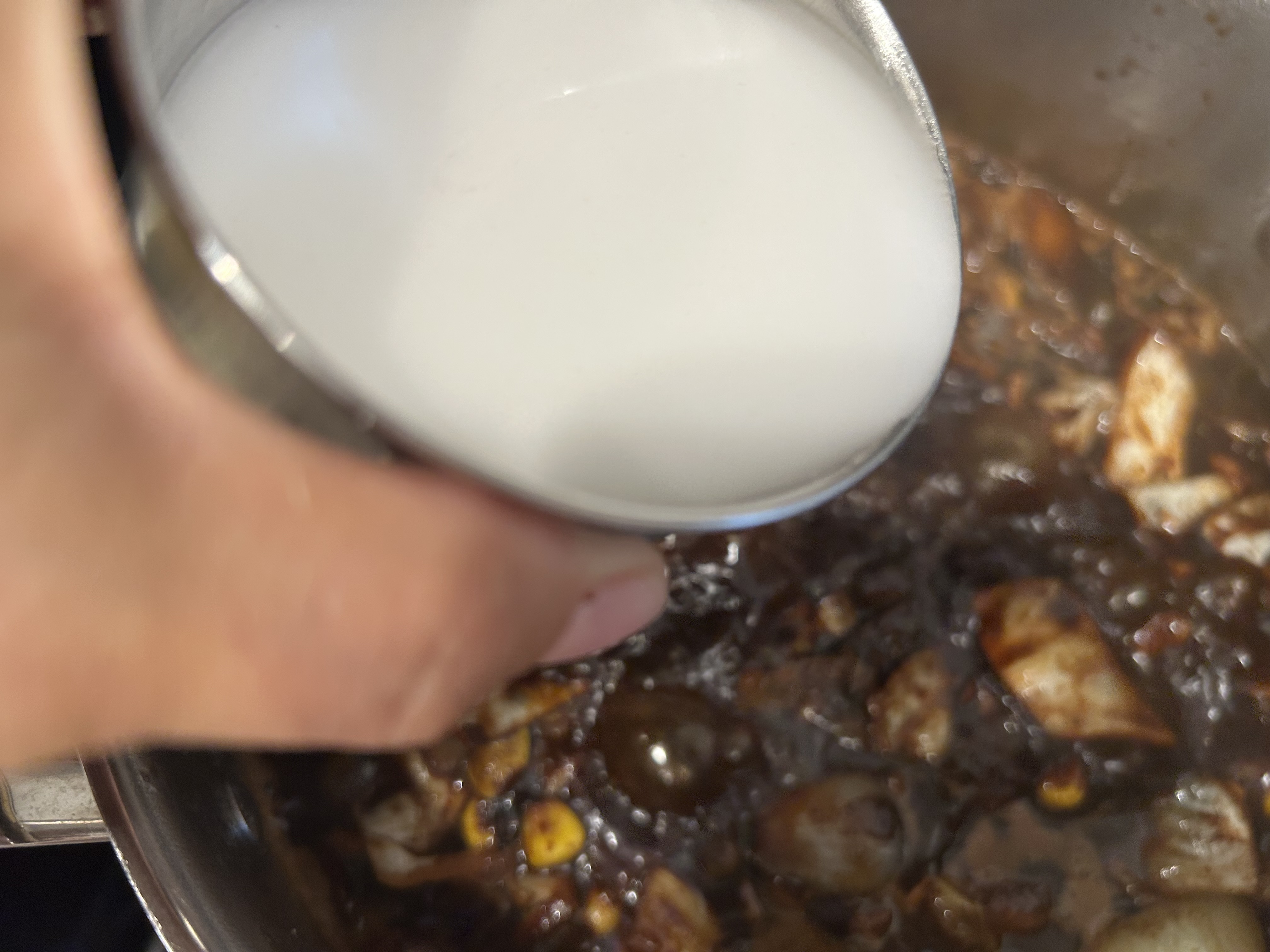
재료들이 끓으면 전분물을 넣어줍니다. 걸쭉한 상태가 되어야 하는데 조금 묽다고 생각이 들면 전분물을 추가하면 됩니다. 짜장밥과 짜장면에 넣어 먹을 때 적당한 농도였습니다.
Once the ingredients start boiling, pour in the starch water. It should reach a thick, glossy consistency—if it feels a bit too thin, you can add a little more starch water. This consistency was just right for serving over rice or noodles.
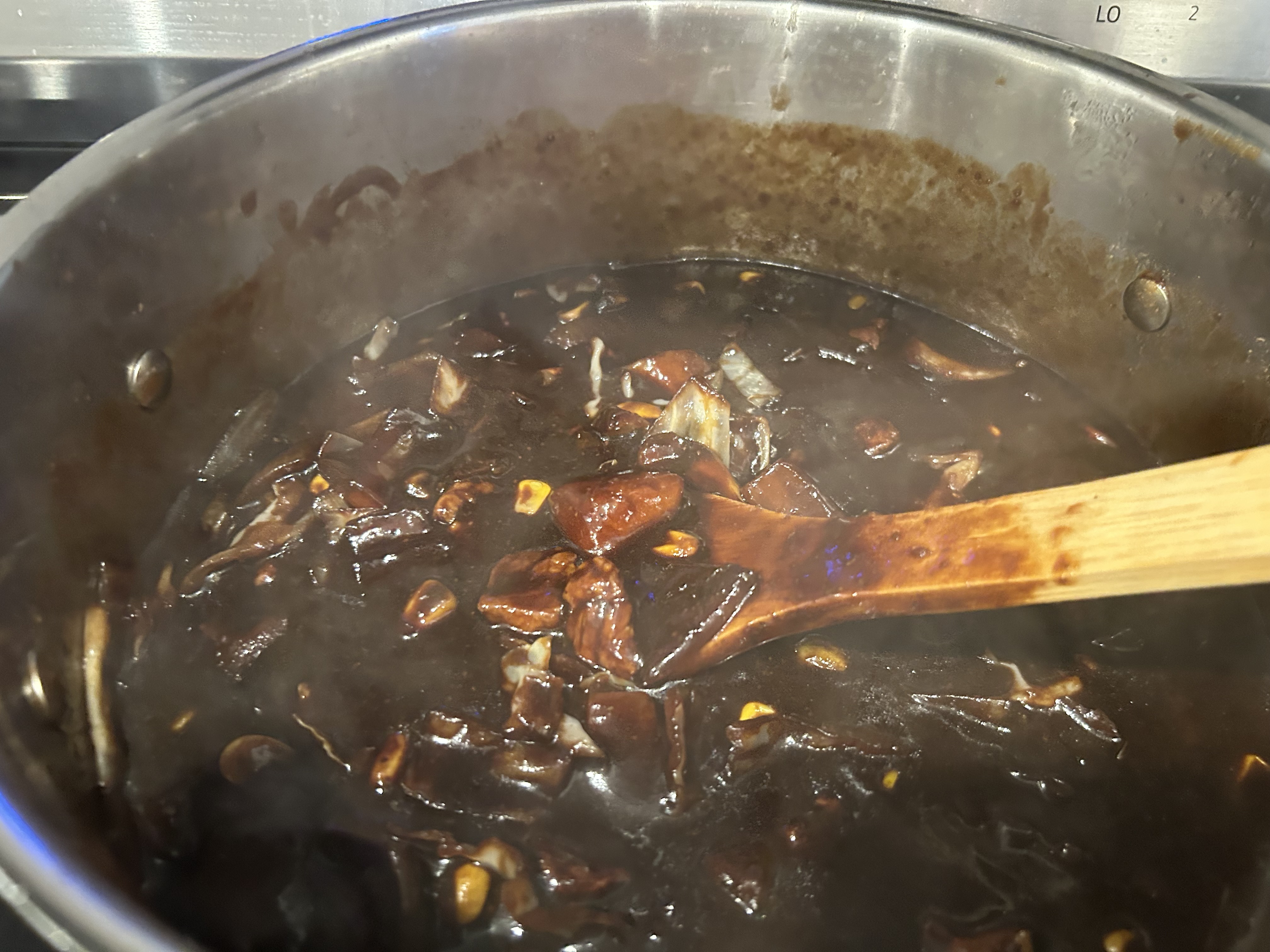
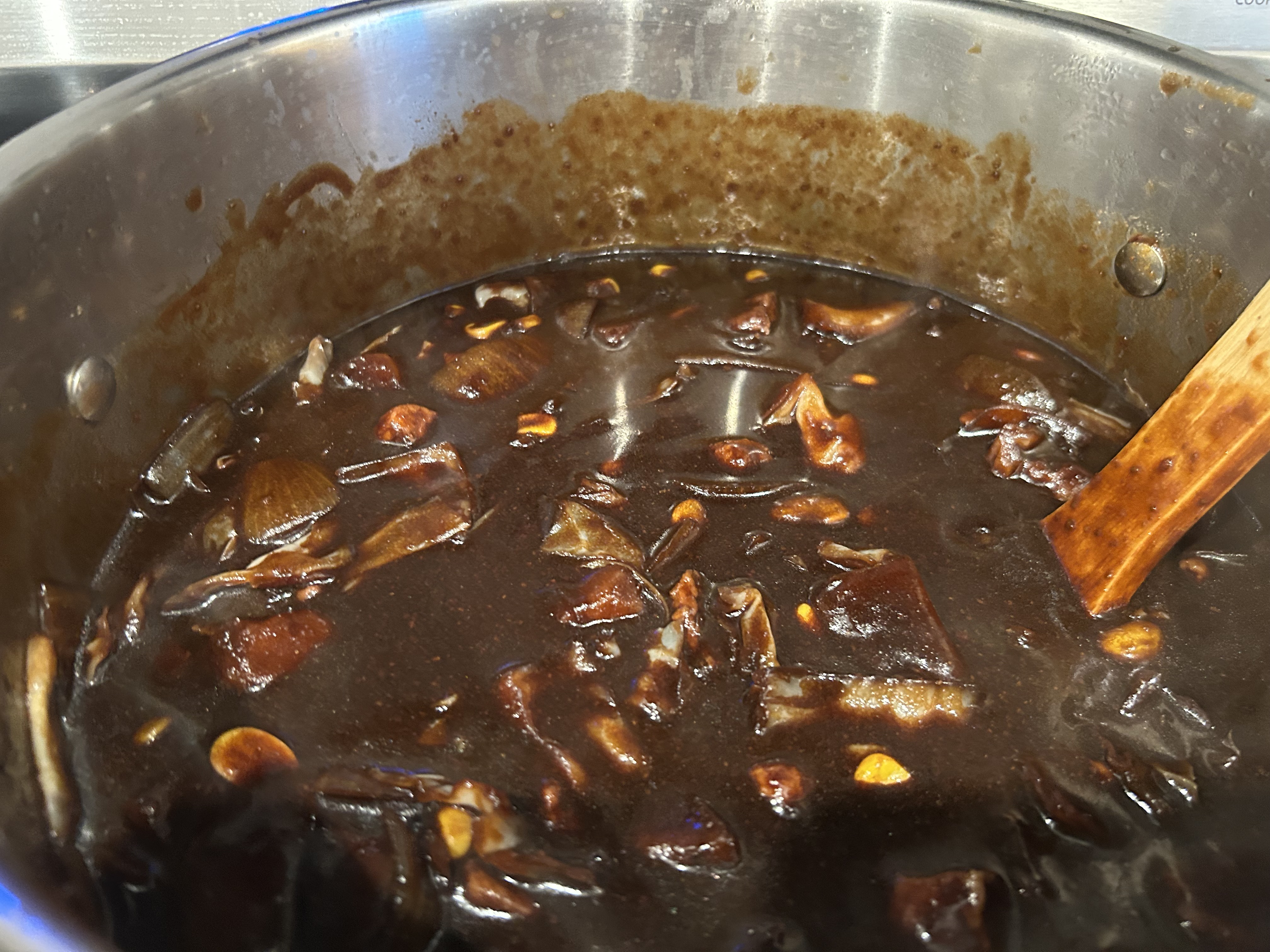
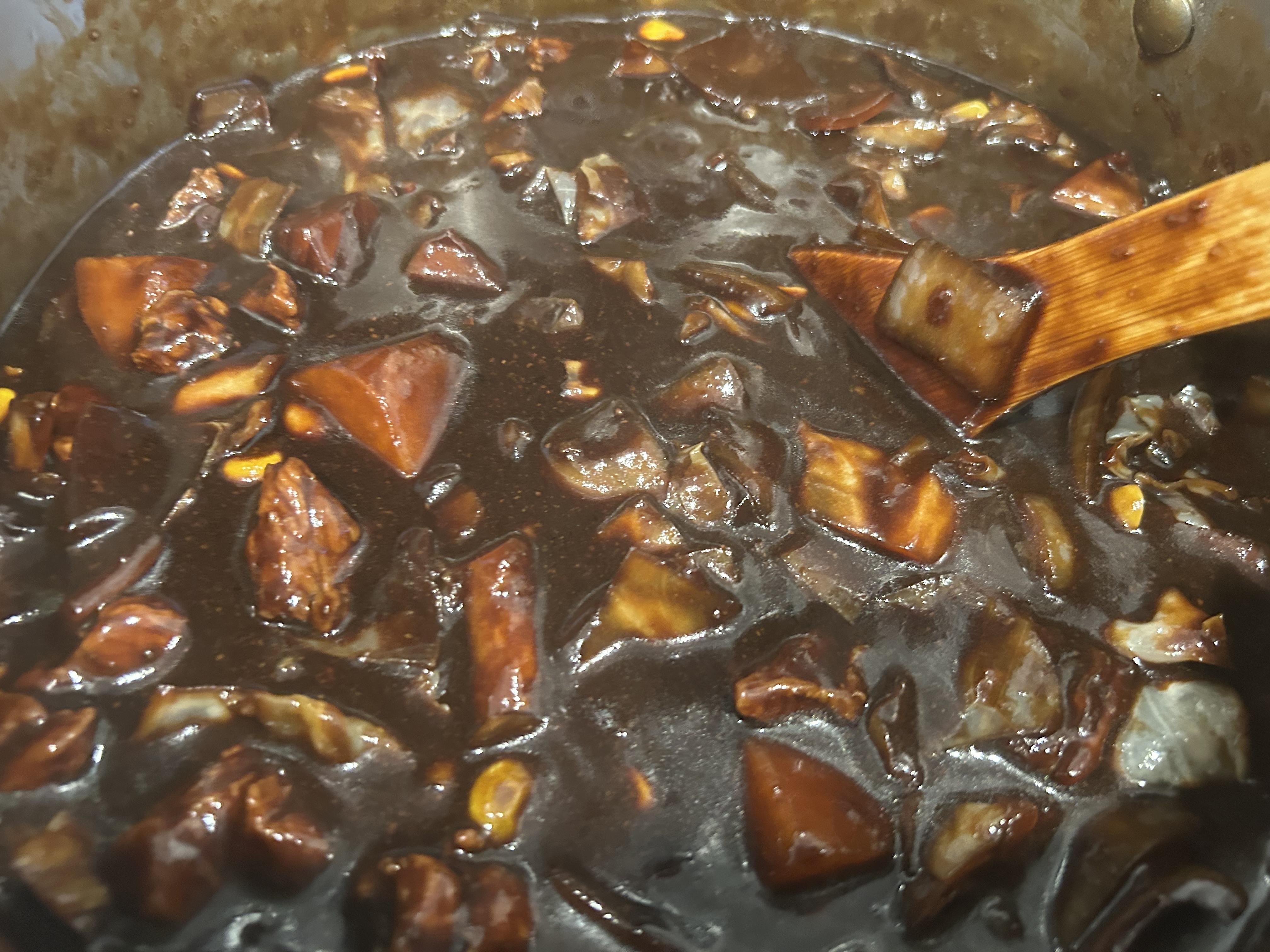
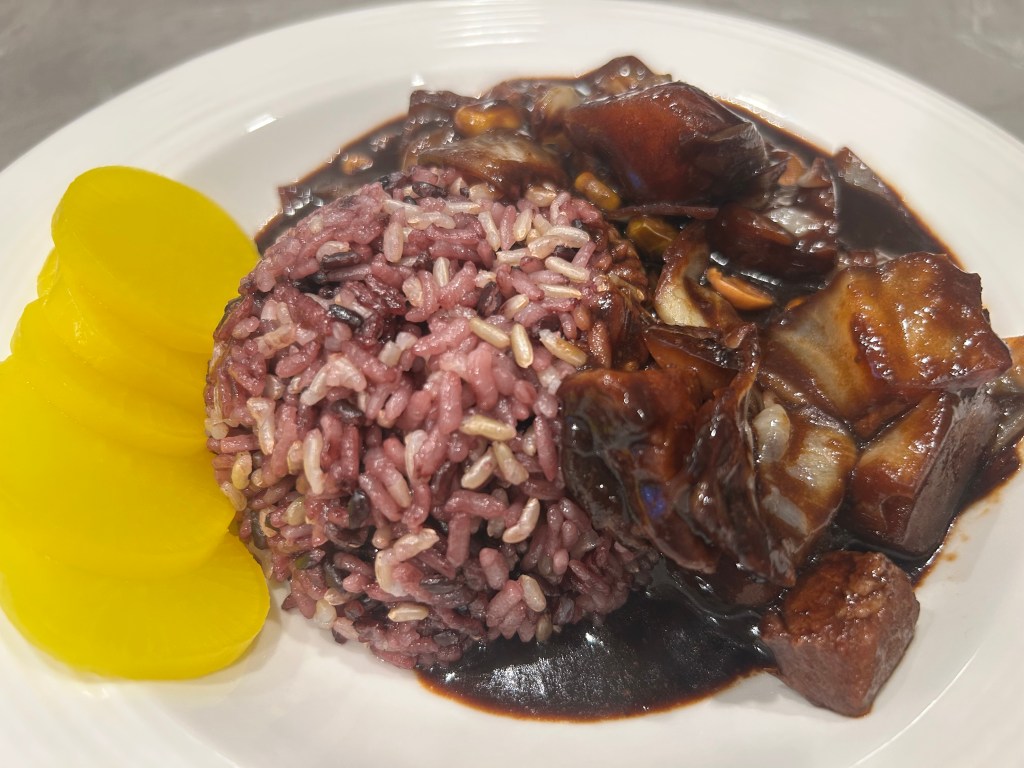
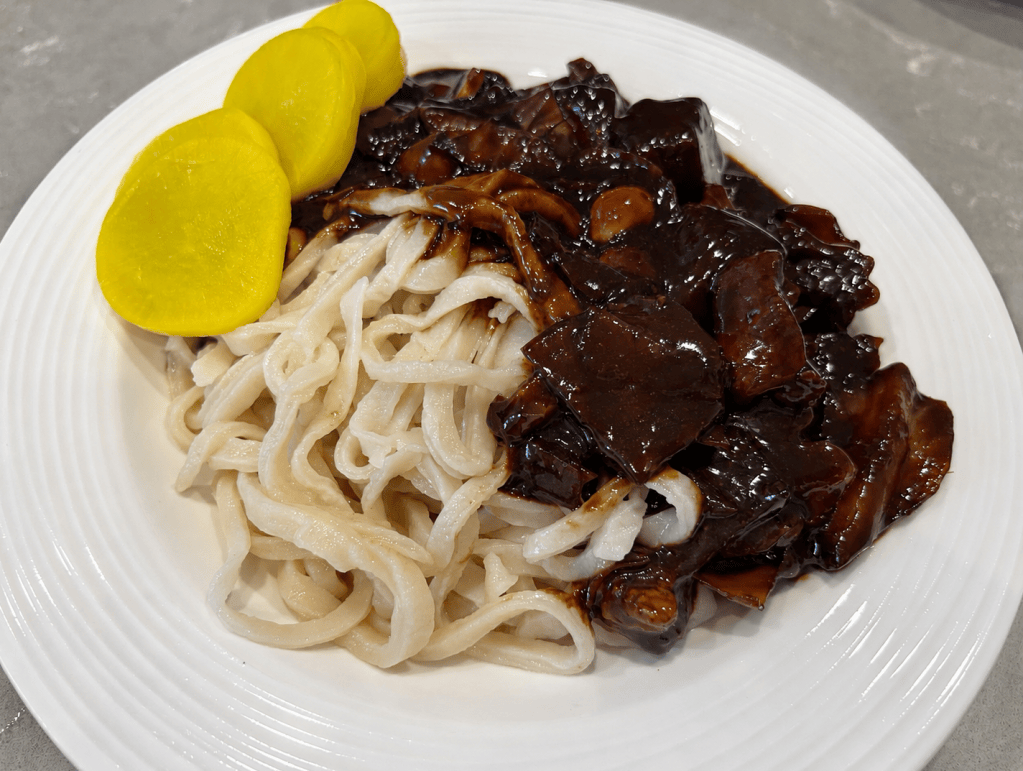
짜장밥과 짜장면을 해서 먹었습니다. 집에서 춘장을 볶아서 짜장을 만들면 취향에 따라 밥과 면을 즐길 수 있어서 좋은 것 같습니다. 짜장면의 면은 블로그 레시피의 칼국수면 만들기로 만들었습니다. 4인가족이라면 두 배의 양으로 만드시면 됩니다. 두 배의 양으로 면을 만들었을 때 가족 4명이 충분히 먹고 배부른양이 였습니다
We enjoyed serving the Jajang sauce over both rice and noodles. Making Jajang sauce at home by stir-frying Chunjang is great because everyone can enjoy it with either rice or noodles according to their preference. For the noodles, I used my homemade Kalguksu recipe (Making Hand-Cut Noodles). If you are preparing this for a family of four, doubling the recipe works perfectly—doubling the portion yielded more than enough to leave all four of us completely full and satisfied.

Leave a comment