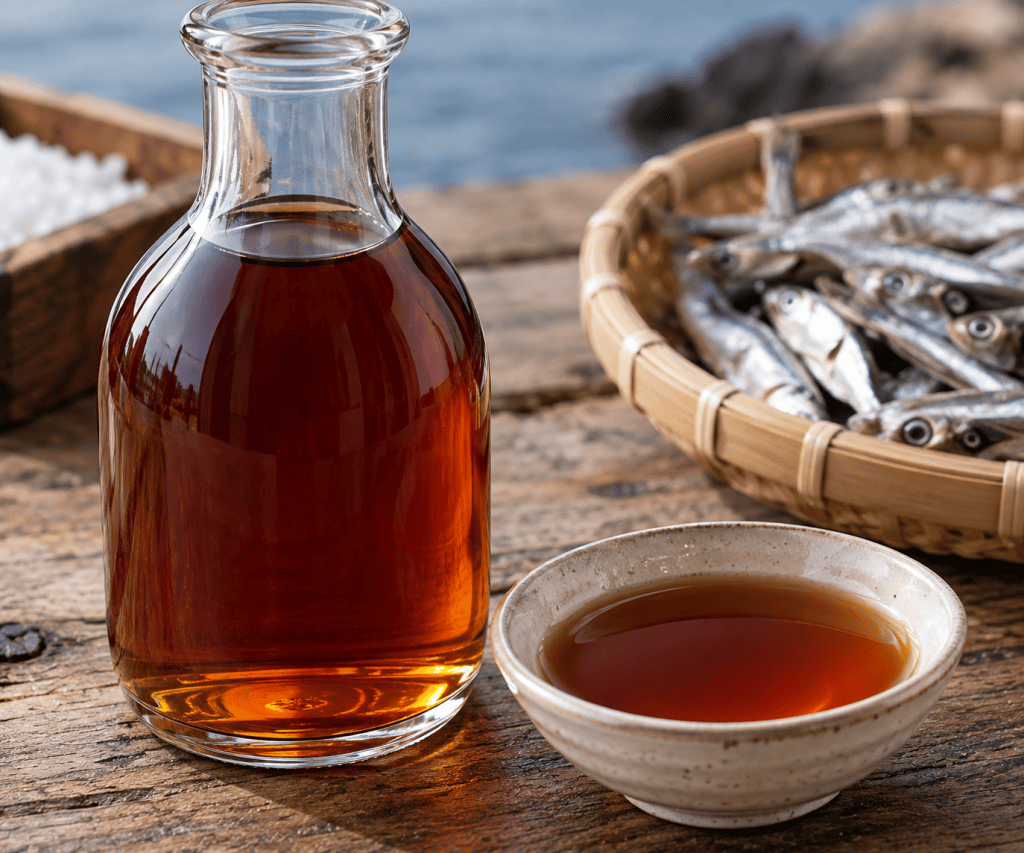
한국 사람으로써 김치를 만들고 먹으면서 단 한번도 왜 김치에는 피시소스 (Anchovy Fish Sauce)가 들어가야 할까? 라는 생각을 한번도 해보지 않았던 것 같다. As a native Korean who has grown up making and eating kimchi, I don’t think I’ve ever stopped to question why anchovy fish sauce is such a vital ingredient.
생선을 못 먹는 사람과 비린내를 힘들어하는 사람들을 제외하고는 대부분 피시소스(Anchovy Fish Sauce) 김치를 담글 때 꼭 들어가야 하는 필수 양념이라고 생각했다. Except for those who can’t eat fish or are sensitive to fishy odors, most people consider anchovy fish sauce an essential ingredient when making kimchi.
넣어도 되고 안 넣어도 되는 그런 재료가 아닌 것이다. It isn’t an optional ingredient that you can simply skip.
나의 할머니도, 엄마도, 그리고 나도 그렇게 배웠고 지금껏 그렇게 사용해서 김치를 만들어왔다. My grandmother, my mother, and I all learned it this way, and we have been using it to make kimchi ever since.
나는 시판 용 피시소스(Anchovy Fish Sauce)를 사용하는 세대로써 그저 배추가 숙성 될 때 간을 맞추는 조미료의 개념으로 사용했고 또한 넣으면 나오는 깊은 감칠맛은 꼭 넣어야 하는 양념 이였다. As part of a generation accustomed to store-bought anchovy fish sauce, I simply viewed it as a seasoning to control the saltiness while the cabbage ferments—and an indispensable condiment for adding a deep umami flavor.
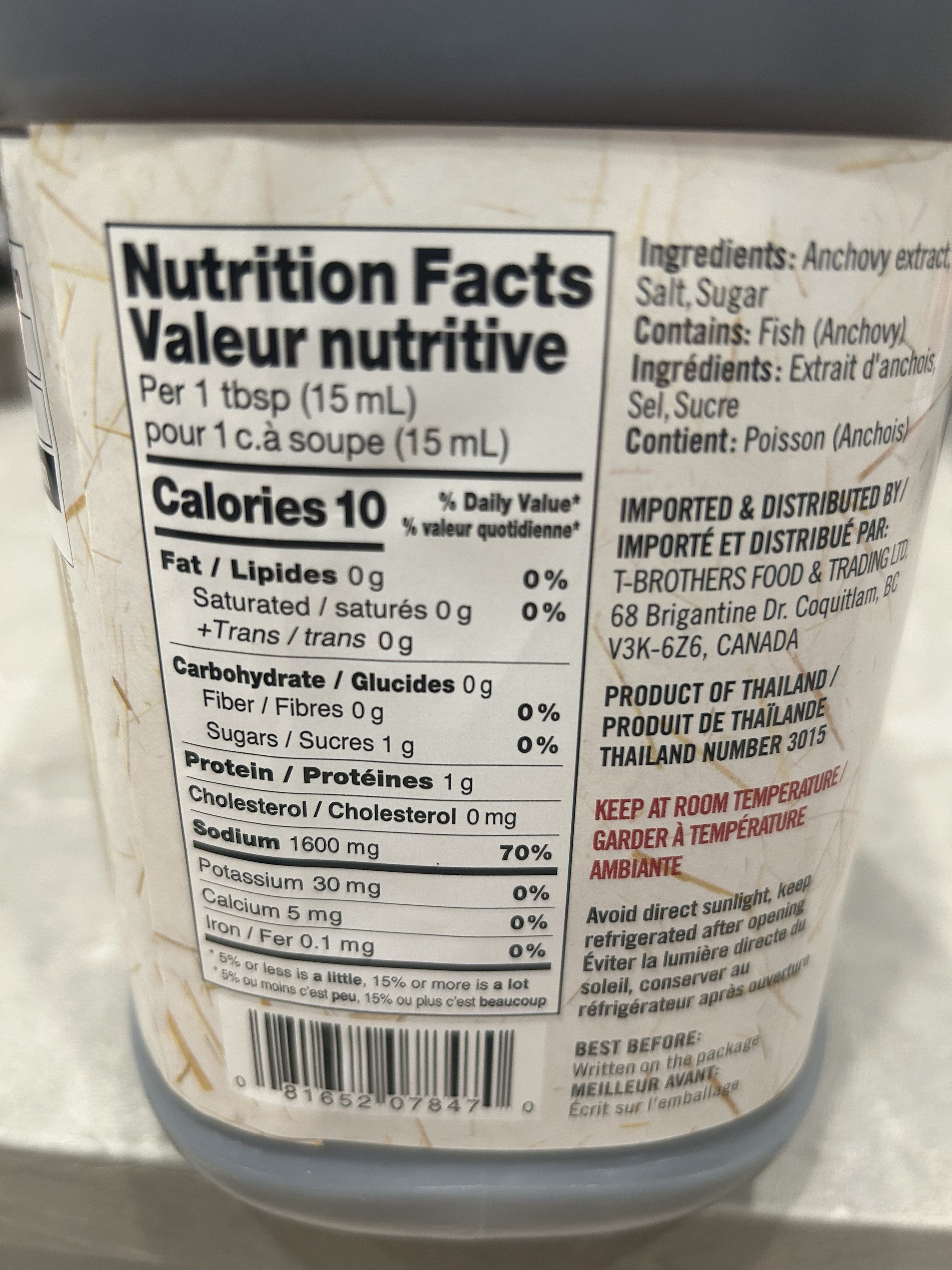
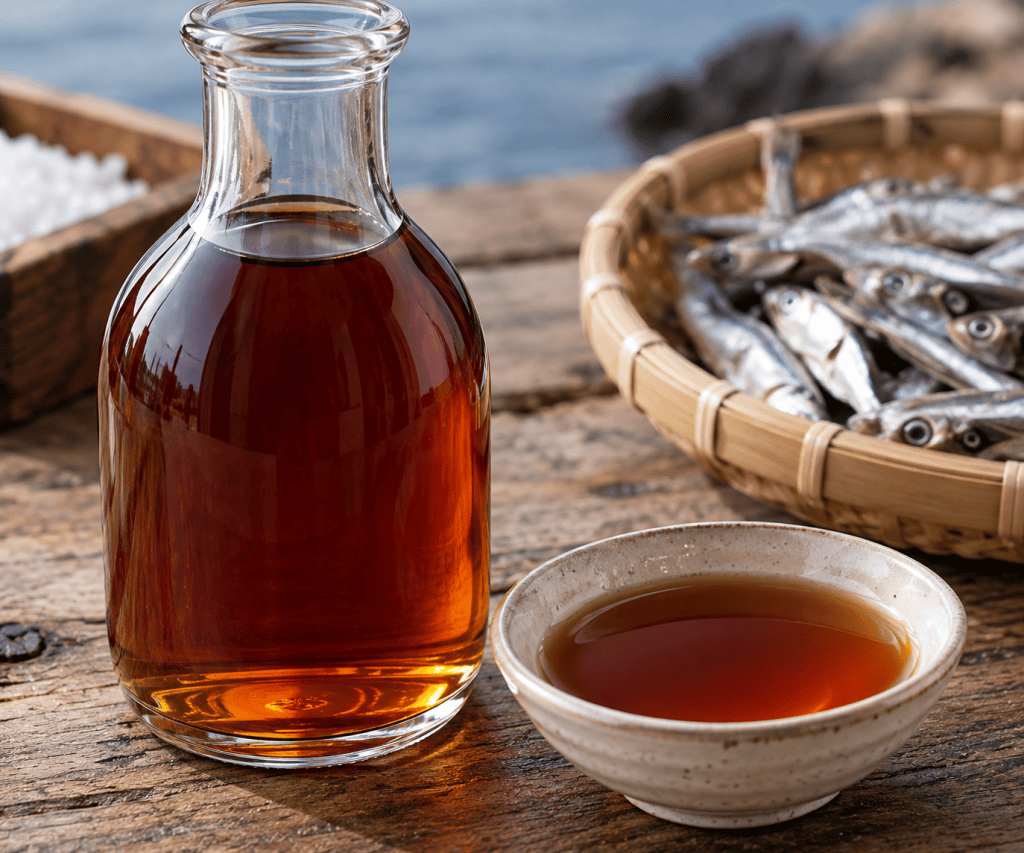
지금 내가 사용하는 피시소스다(Anchovy Fish Sauce) .(내돈 내산이다.) This is the anchovy fish sauce I am currently using (purchased with my own money).
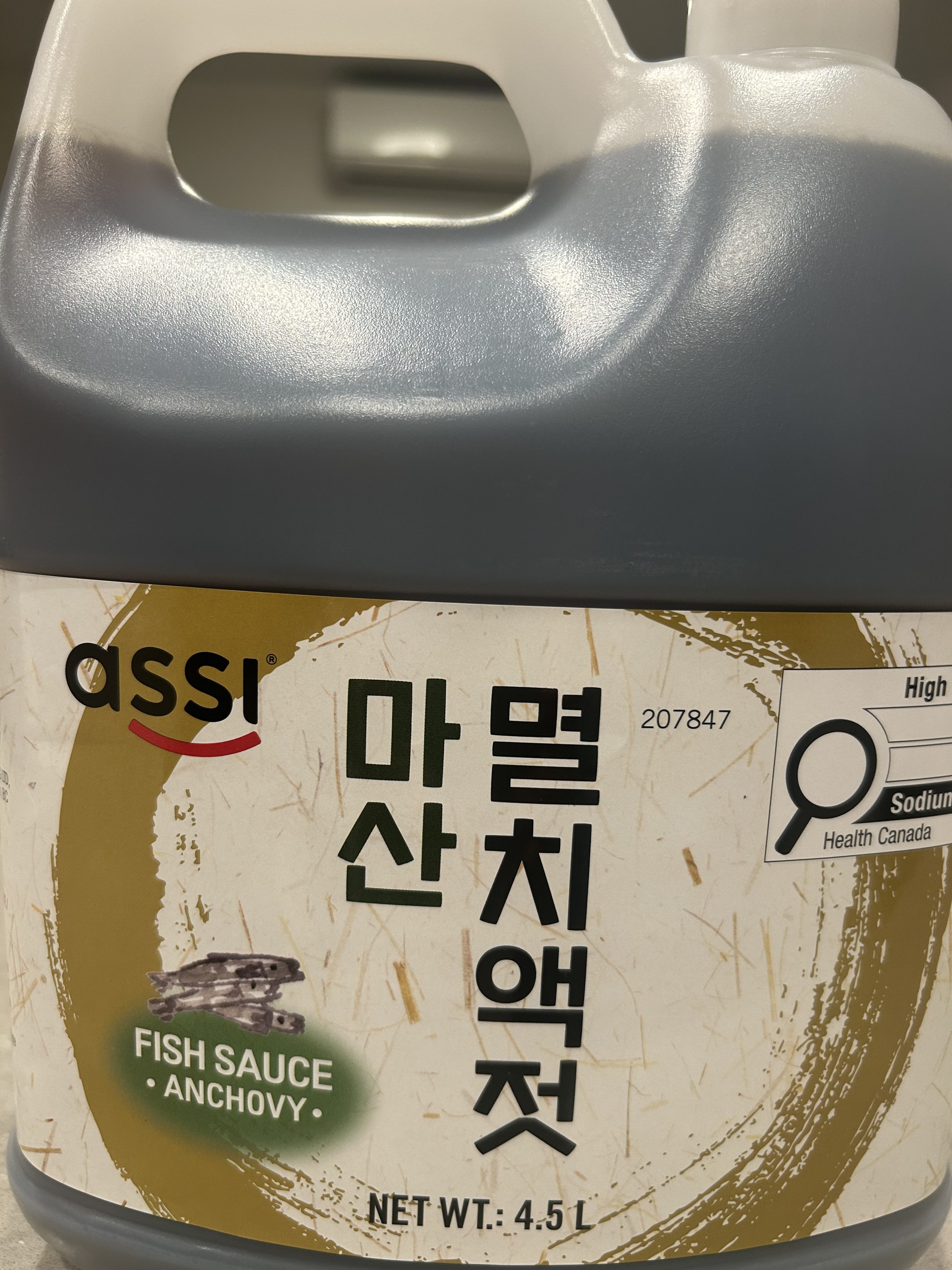
많은 소스 중 내 입맛에 제일 깔끔하고 맛과 향이 그렇게 거부감이 없다. Among the many options, this one tastes the cleanest to my palate, with no overpowering flavor or aroma.
가끔 다른 종류의 소스는 맛과 향이 강해서 배추 본연의 맛을 거스릴 때가 있었다. Other varieties sometimes have such a strong taste and smell that they overpower the natural flavor of the cabbage.
그래서 과연 내가 쓰는 소스에는 어떤 성분이 첨가되어 만들어 졌을까 찾아 보았다. So, curious about what was in it, I checked the ingredient list.
주 성분이 피시소스(Anchovy Fish Sauce) 원액, 소금, 설탕 외 다른 성분은 없었다. The main ingredients were simply anchovy extract, salt, and sugar—nothing else.
사실 감칠맛의 조미료가 들어 있을 줄 알았다. Honestly, I expected to find added artificial seasonings for that umami boost.
피시소스 (Anchovy Fish Sauce)에, 소금, 설탕, 세 가지의 성분이 전부라면 어떤 성분이 김치를 발효 시키는 핵심 요소일까? If anchovy extract, salt, and sugar are the only three ingredients, which one is the key element that drives the fermentation of kimchi?
그래서 나의 궁금증과 이해를 돕는 정도의 정보를 알아보았다.
Driven by curiosity, I looked into it further to better understand the process.
*어떤 작용을 하는 걸까?
*How does it actually work?
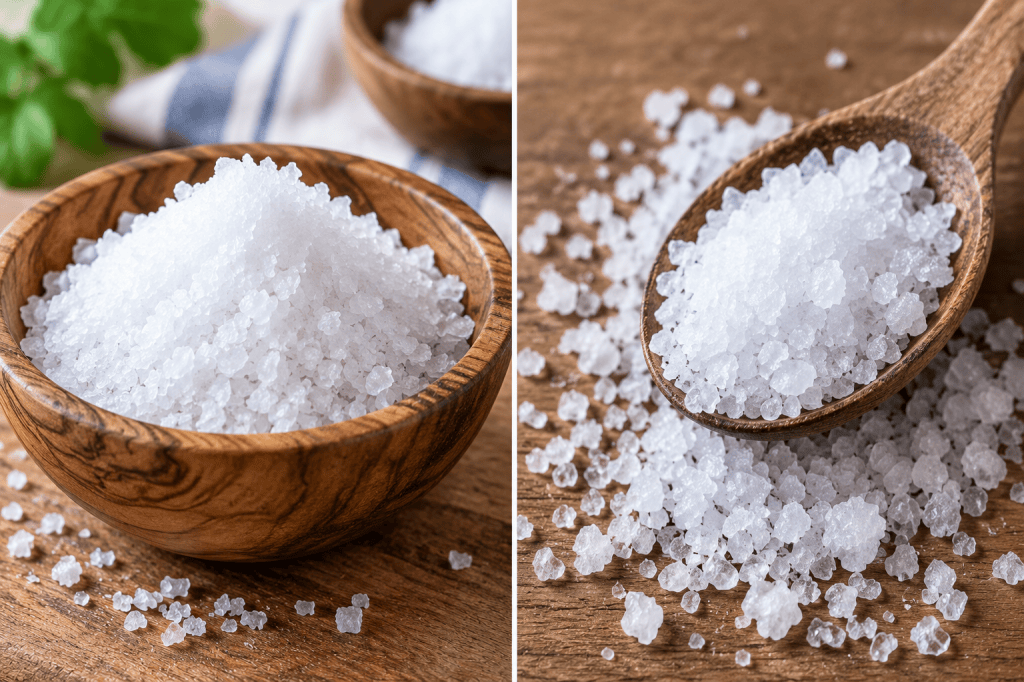
피시소스(Anchovy Fish Sauce)는 생선이 고농도의 소금에 절여진다. 생선의 부패균을 억제하고 소금에 견디는 미생물과 생선이 가진 효소가 천천히 단백질을 분해시키는데 그렇게 생긴 맑은 액을 말한다. 생선의 단백질이 분해가 되면서 글루탐산,아미노산,펩타이드가 생겨 난다고 한다. 이것이 조미료를 사용한 것 같은 감칠맛(Umami)의 핵심이라고 한다. Anchovy fish sauce is made by preserving fish in a high concentration of salt. This environment inhibits spoilage bacteria while allowing salt-tolerant microorganisms and enzymes naturally present in the fish to slowly break down its proteins, resulting in a clear liquid. As the fish protein decomposes, it produces glutamic acid, amino acids, and peptides, which serve as the core components responsible for a rich, MSG-like umami flavor.
*그럼 왜 김치에 피시소스 (Anchovy Fish Sauce)만 사용치 않고 마늘,배, 사과,양파,생강,찹쌀 풀 등의 재료들을 같이 넣는걸까? 맛을 위해서 아니면?
Why add ingredients like garlic, pears, apples, onions, ginger, and glutinous rice paste instead of using just anchovy fish sauce in kimchi? Is it simply for flavor, or is there another reason?
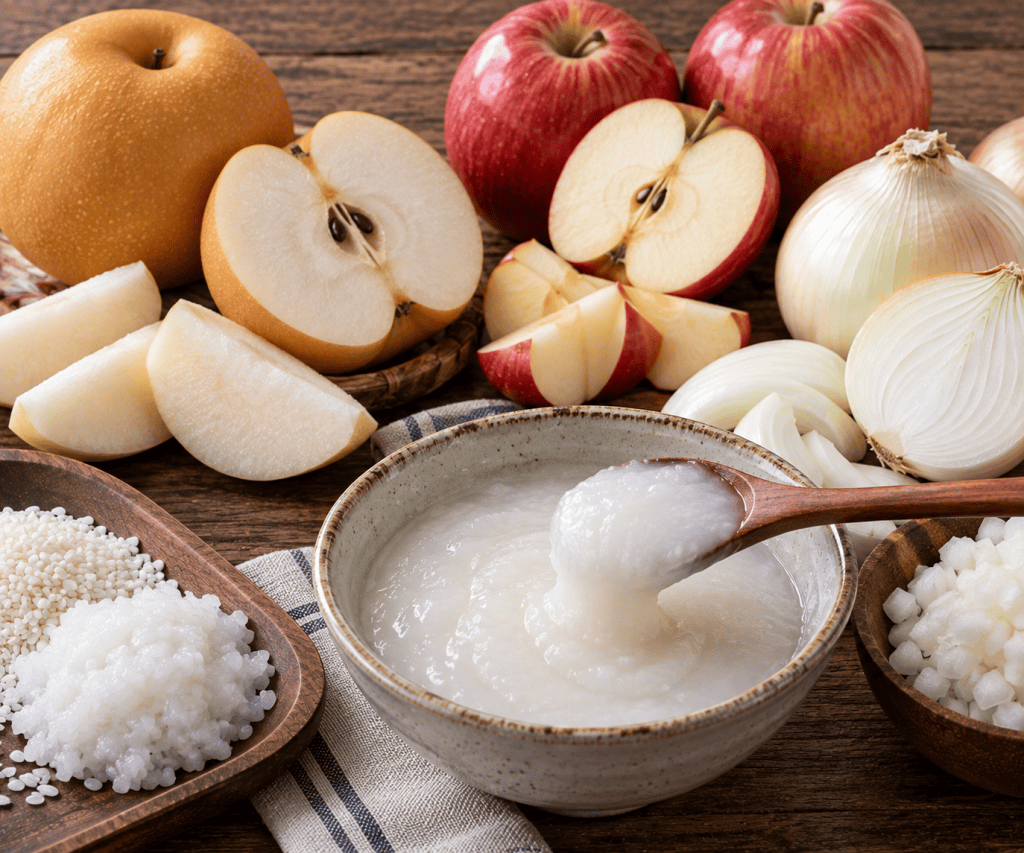
피시소스(Anchovy Fish Sauce)가 지닌 짠 맛과 감칠 맛 하나로 김치의 맛을 완성하지는 못한다. The saltiness and umami of anchovy fish sauce alone cannot complete the full flavor profile of kimchi.
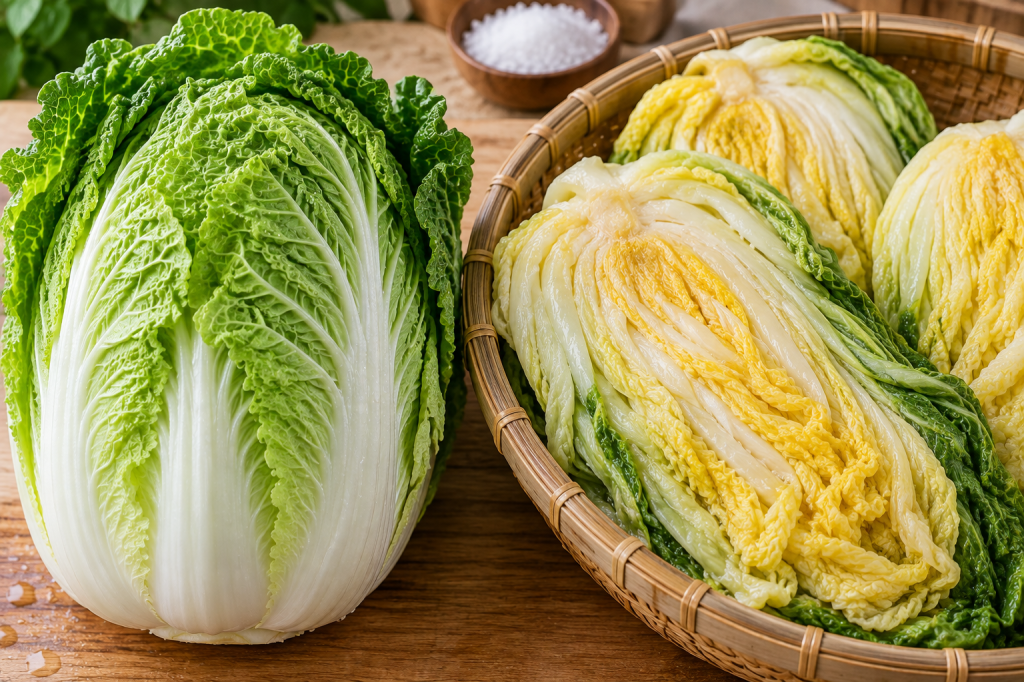
김치를 만들때 가장먼저 배추를 소금물에 절 인다. 그러면 배추가 숨이 죽고 조직이 단단해지면서 부패 미생물 억제의 환경을 만들어 낸다. When making kimchi, the cabbage is first salted in brine. This wilts the cabbage, firms up its texture, and creates an environment that suppresses harmful bacteria.
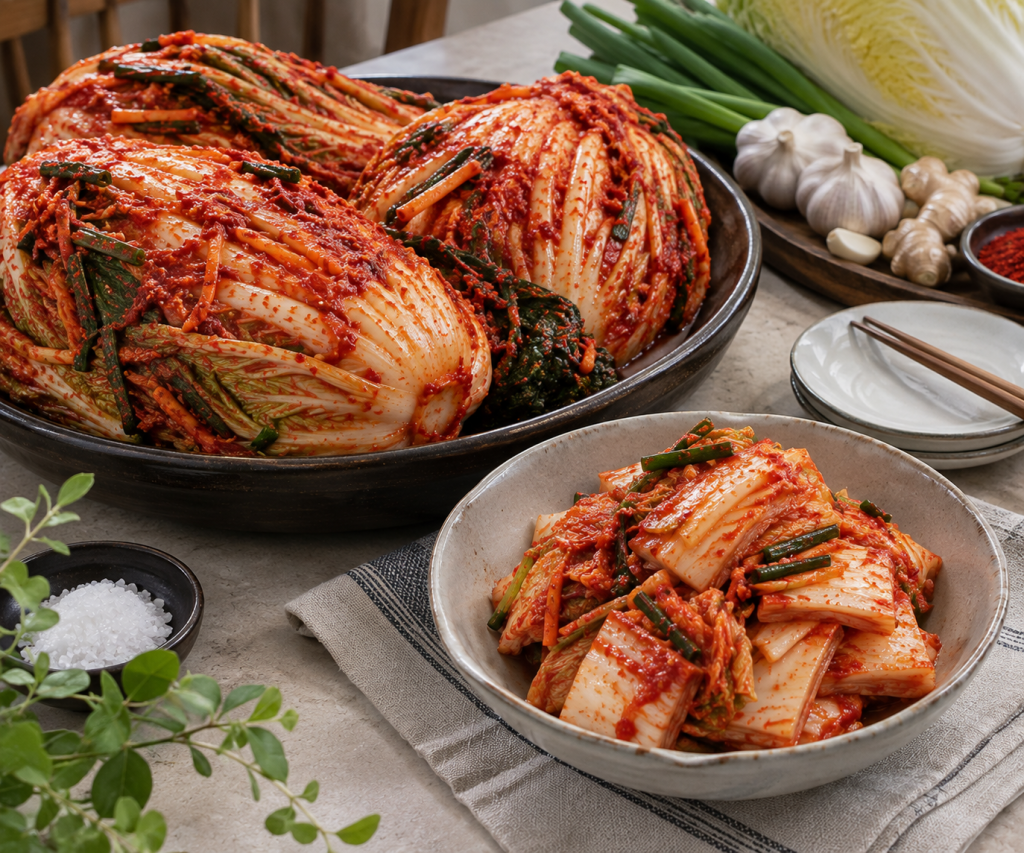
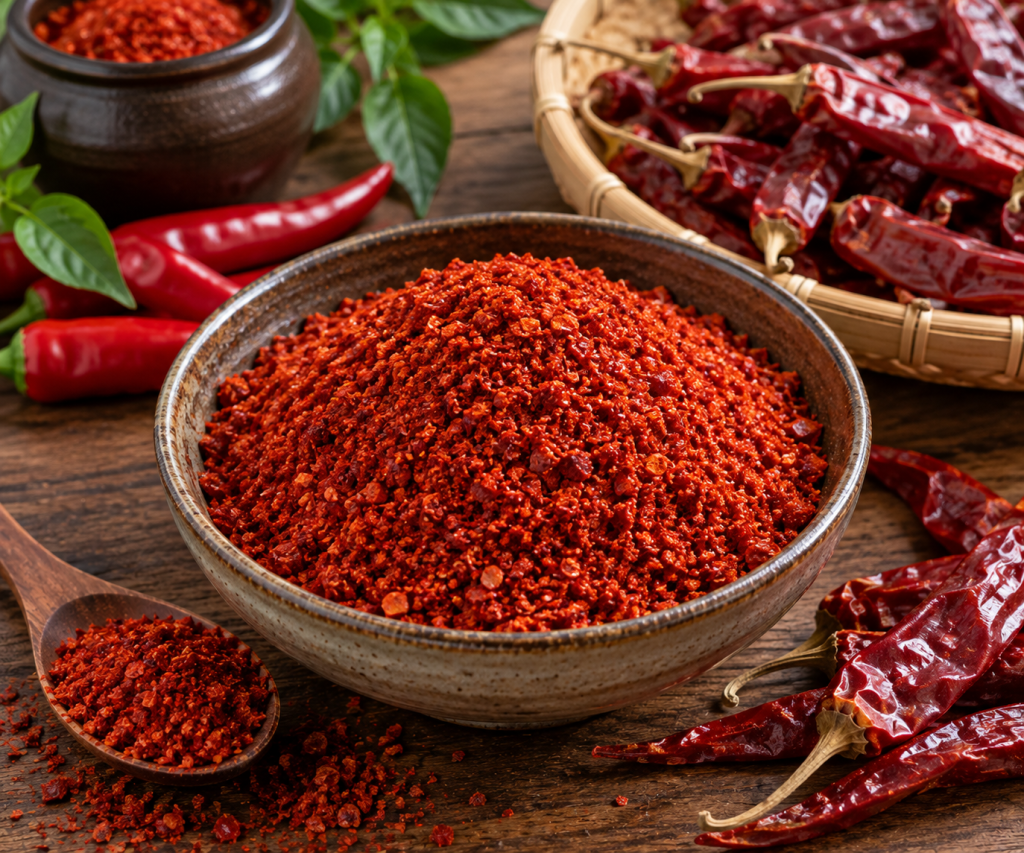
다음으로 생선의 단백질이 분해되어 생긴 아미노산, 펩타이드, 글루탐산 등이 감칠맛을 만들어 내고 고추의 매운맛을 감싸준다. Next, the amino acids, peptides, and glutamic acid formed from the breakdown of fish proteins generate umami and help round out the heat of the chili powder.
찹쌀 풀의 전분이 분해되어 발효의 먹이가 되고,설탕은 유산균의 초기 활동 요소가 되어 짠맛과 매운맛의 균형을 맞춰 주는 이동체가 되고, 사과,배가 가지고 있는 과당 과 포도당은 시원한 단맛과 신맛을 내주며 마늘과 생강이 비린맛을 제거하고 특유의 향과 풍미를 준다. The starch in glutinous rice paste decomposes to feed fermentation, while sugar fuels the early activity of lactic acid bacteria and helps balance the salty and spicy flavors. Fructose and glucose from apples and pears add a refreshing sweetness and tanginess, while garlic and ginger mask any fishy odors and impart their own unique aroma and flavor.
마지막으로 양파의 자연 당으로 단맛과 감칠맛을 더해서 만들어지는 것이 김치다. Finally, the natural sugars in onions contribute additional sweetness and umami, completing the creation of kimchi.
양념 하나 하나의 역할이 김치가 발효 되는 핵심인 것이다. 그래서 김치가 과학이라는 말이 생기나 보다 . The role of every single seasoning is central to how kimchi ferments. This must be why people say kimchi is a science.
*피시소스 (Anchovy Fish Sauce)는 언제부터 만들어지고 사용 되었던 것일까? When was anchovy fish sauce first made and used?
생선을 소금에 절여 발효 시키는 젓갈 문화는 신석기~삼국시대 부터 존재 했다고한다. The culture of fermenting salted fish (jeotgal) is said to have existed since the Neolithic Era and the Three Kingdoms Period.
한국에서 피쉬소스(Anchovy Fish Sauce)에 해당하는 ‘어장(魚醬)’과 ‘액젓(젓국)’을 음식과 김치에 넣기 시작한 역사는 고대 삼국시대 이전으로 올라가며, 김치에 본격적으로 보편화된 시점은 조선 시대(15세기~18세기)라고 한다. In Korea, the history of adding fermented fish sauce (eojang) or fish brine (aekjeot) to food and kimchi dates back to before the ancient Three Kingdoms Period, with its widespread use in kimchi becoming fully established during the Joseon Dynasty (15th to 18th centuries).
(삼국사기) 기록에 따르면 신문왕 3년(683년) 왕후를 맞이할 때 폐백 품목으로 ‘해(醯, 젓갈)’가 등장할 만큼 오래된 발효 음식이었다. According to records in Samguk Sagi (History of the Three Kingdoms), fermented fish (hae) was included among the royal wedding gifts when King Sinmun received his queen in 683 AD (the 3rd year of his reign), proving how long this fermented food has been part of Korean history.
*그때부터 지금의 김치 모습이였을까?
Was kimchi back then the same as it is today?
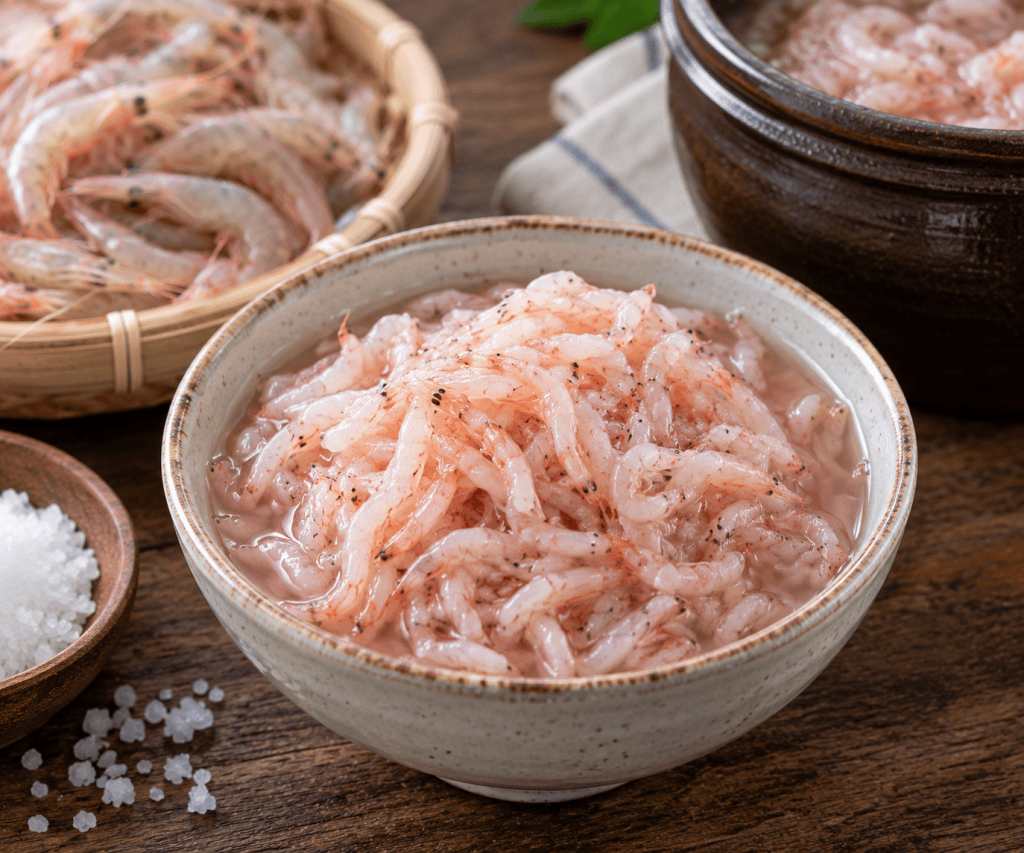
1766년증보산림경제나 19세기(임원경제지) 등의 문헌을 보면, 고춧가루와 멸치액젓,새우젓 등의 액젓류를 함께 버무려 담그는 현대적 형태의 김치 양념법이 완성되어 대중적으로 확산되었다고 한다.
Historical texts such as Jungbo Sallim Gyeongje (1766) and Imwon Gyeongjeji (19th century) show that the modern method of tossing kimchi with chili powder, anchovy fish sauce, and salted shrimp was established and broadly popularized during that era.
*그럼 그 전에는 김치가 없었던 것일까?
So, was there no kimchi before then?
초기 김치는 단순히 채소를 소금이나 소금물에 절이는 방식(침채)이었다고한다. Early kimchi is said to have been simply vegetables preserved in salt or brine (chimchae).
15세기 조리서인 (주초침저방)이나 조선시대 세종대왕 재위 기간(1418년~1450년)의 기록에서 새우젓 등을 넣은 김치가 처음 등장 했다고 한다. Kimchi with ingredients like salted shrimp first appeared in records from 15th-century cookbooks such as Jucho Chimjeobang and documents from the reign of King Sejong (1418–1450).
그 시대의 젓갈은 매우 귀한 재료여서 일부 상류 양반층 중심의 음식이었다. Back then, salted seafood was a highly precious ingredient, making it a dish primarily enjoyed by the upper-class nobility (yangban).
*고추가루는?
What about chili powder?
임진왜란 이후 고추가루가 들어왔고 18세기 무렵 식재료로 정착했다고 한다, Red chili peppers, introduced after the Imjin War, became established as a common food ingredient around the 18th century.
*그럼 그 전의 김치는 지금의 김치와 달랐을까?
So, was kimchi back then different from the kimchi we have today?
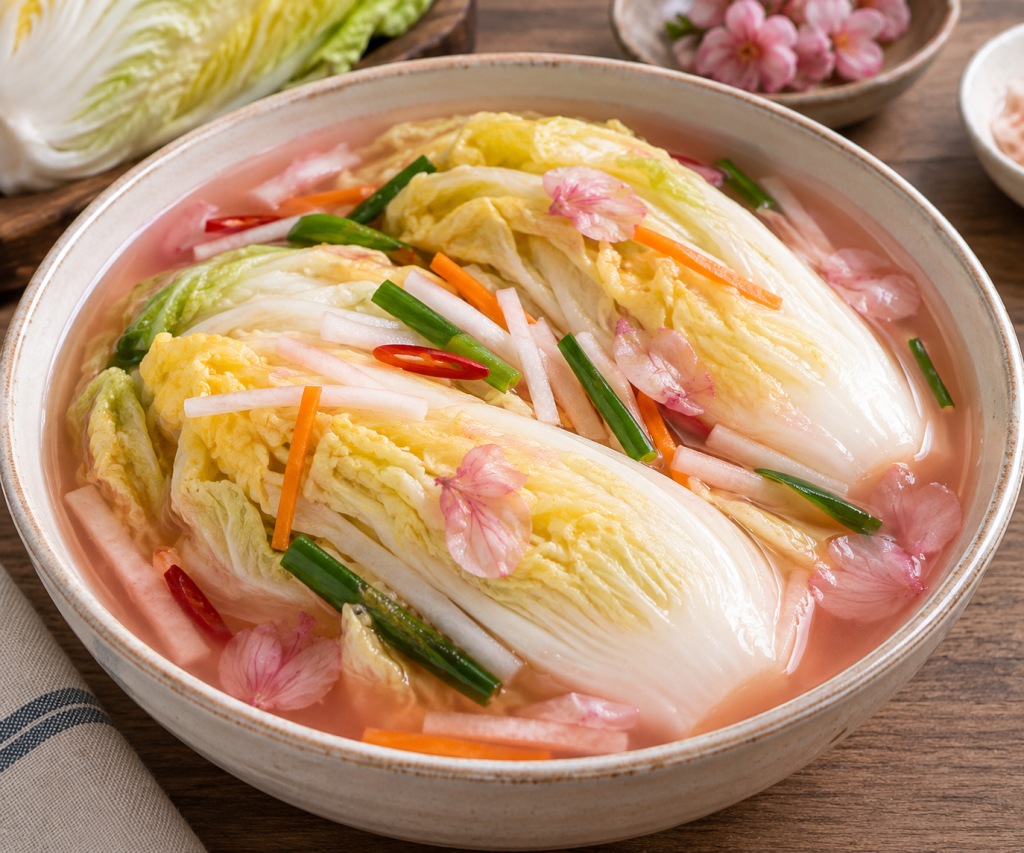
고춧가루가 들어오지 않았던 조선 시대 이전의 김치는 흰색, 연한 노란색, 또는 약간의 붉은빛(홍국·잇꽃 등 사용 시)을 띠는 형태 였다고 한다.
Before chili powder was used, kimchi prior to the Joseon era was said to be white, pale yellow, or slightly reddish (when ingredients like red yeast rice or safflower were used).
새우젓이나 멸치젓 등 액젓과 젓갈을 넣었더라도 채소 자체의 색상(배추, 무의 흰색과 오이, 아욱 등의 푸른색)과 소금물, 젓갈의 약간 어두운 국물 빛깔이 어우러져 기본적으로는 백 김치나 동치미처럼 하얀색에 가까웠다.
Even with salted seafood or fish sauce added, the natural colors of the vegetables (the white of cabbage and radish, the green of cucumbers and mallows) combined with the brine and dark fermented liquid to yield a light appearance close to modern white kimchi (baek-kimchi) or watery radish kimchi (dongchimi).
하지만 붉은 색의 김치도 있었다.
However, reddish kimchi did exist.
맨드라미, 잇꽃(홍화), 홍국(붉은 누룩)을 이용해서 김치 국물에 은은한 분홍빛이나 붉은빛을 내기위해 사용 했다고 한다.
Ingredients like cockscomb flowers, safflower, and red yeast rice were used to impart a subtle pink or red tint to the kimchi broth.
*그럼 매운 맛이 없었나?
Was it not spicy then?
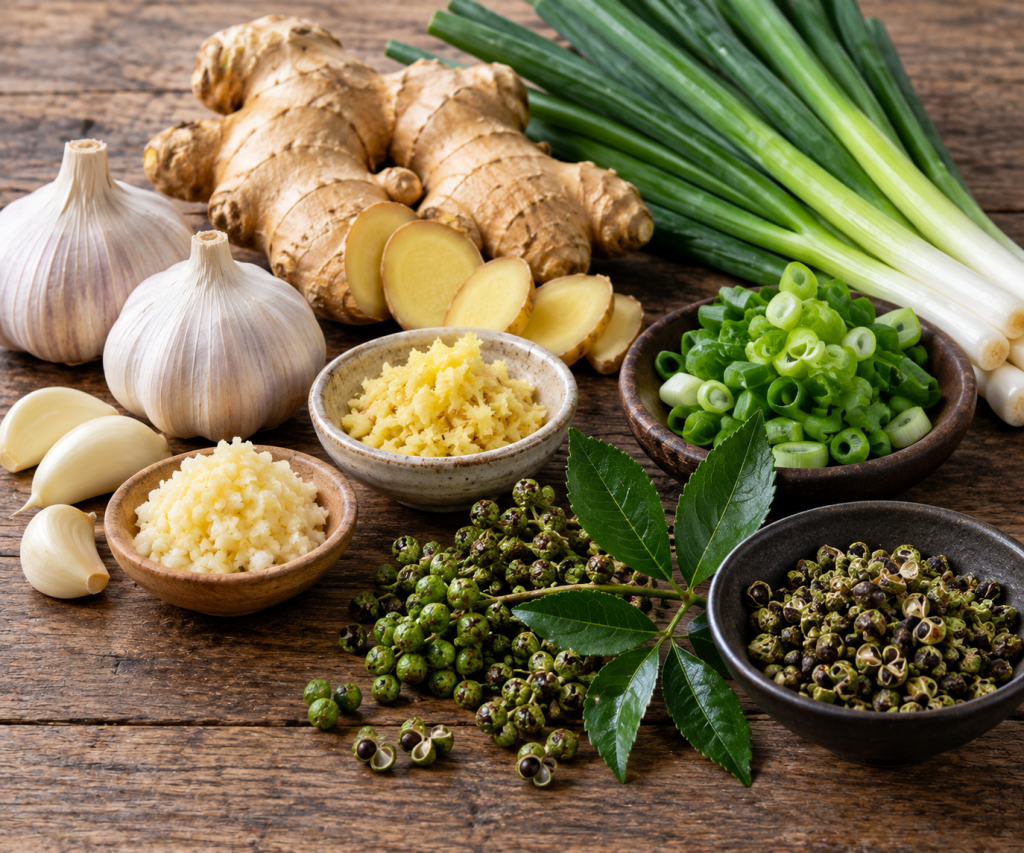
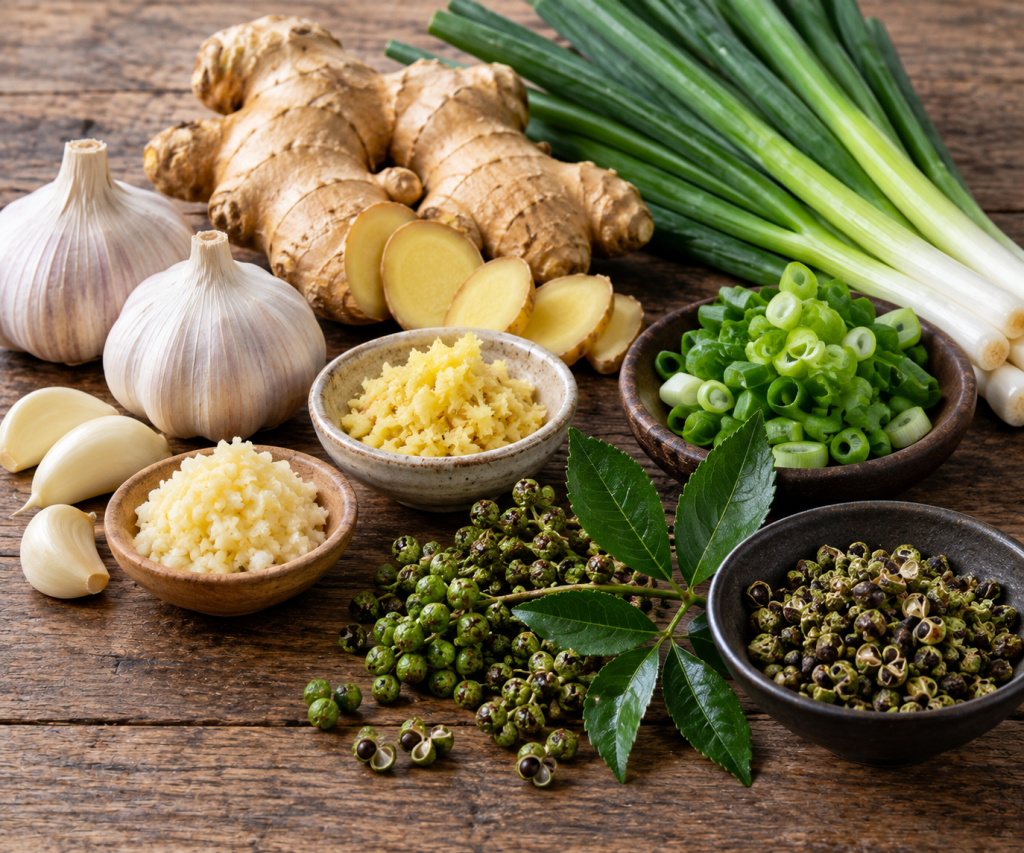
고추가 유입되기 전에는 마늘, 생강, 파, 천초(초피/젠피) 등이 알싸하고 매콤한 향신료 역할을 담당했다.
Before red chili peppers arrived, ingredients like garlic, ginger, green onions, and Sichuan pepper (chopi/jenpi) provided heat, aroma, and spiciness.
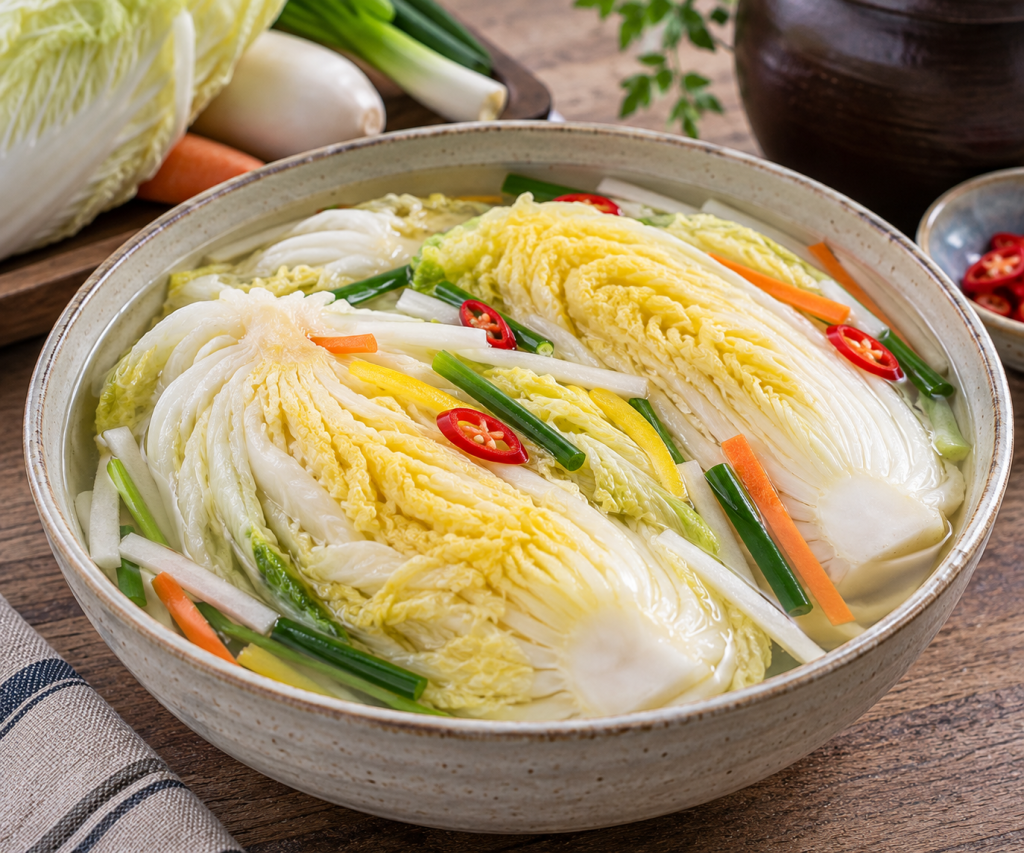
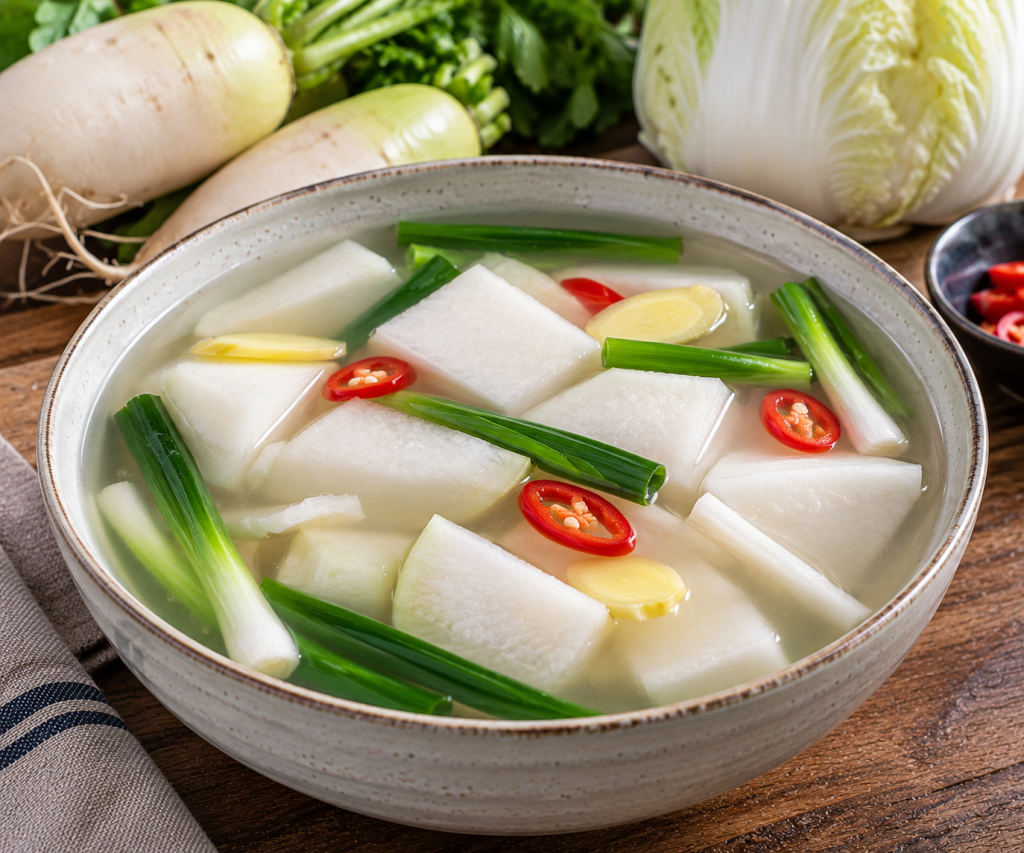
따라서 지금의 빨간 김치와 달리, 고춧가루가 들어오기 전 젓갈을 넣은 김치는 백김치나 장아찌, 동치미 형태의 하얗고 맑은 김치였다.
Unlike today’s red kimchi, early fermented fish kimchi before the introduction of chili powder was a clear, pale dish akin to white kimchi, pickled vegetables, or watery radish kimchi.
지금은 만드는 기술이 발전되어 너무 도 쉽게 구하고 입맛에 맞는 여러 종류의 소스들을 만날 수 있는데 그렇다고 절대 가볍게 생각할 소스는 아닌 것 같다.
Today, with advanced manufacturing technology, we can easily find a wide variety of sauces tailored to our taste, but that certainly doesn’t mean this sauce should be taken for granted.
피시소스(Anchovy Fish Sauce)는 그렇게 우리가 몰랐던 그 먼 시간에도 늘 가까이에 있었고 사용되어 왔었다.
Even during those distant times we knew so little about, it was always nearby and put to use.
너무 도 당연히 넣는 것으로 생각했었는데 어느 시대는 상류층 사람들의 부의 맛으로 어느 시대는 모든 사람들의 맛으로 전해왔고 지금의 우리는 너무 도 많은 종류의 그리고 쉽게 구할 수 있게 되었다.
What we once took for granted as an essential ingredient was once a taste of luxury for the upper class in one era, and a flavor shared by everyone in another—leading to today, where we enjoy an abundance of varieties so easily within our reach.
오랜 세월 동안 굳이 복잡하게 설명하지 않아도 자연스럽게 쓰여 왔고, 여러 재료와 어우러져 만들어내는 그 깊은 감칠맛 이야말로 우리가 오늘날까지 김치에 피시소스(Anchovy Fish Sauce)를 사용하는 진짜 이유인 것 같다.
Used for centuries without needing a complex explanation, its ability to harmonize with various ingredients to create deep umami is the true reason we continue to use fish sauce today.

Leave a comment