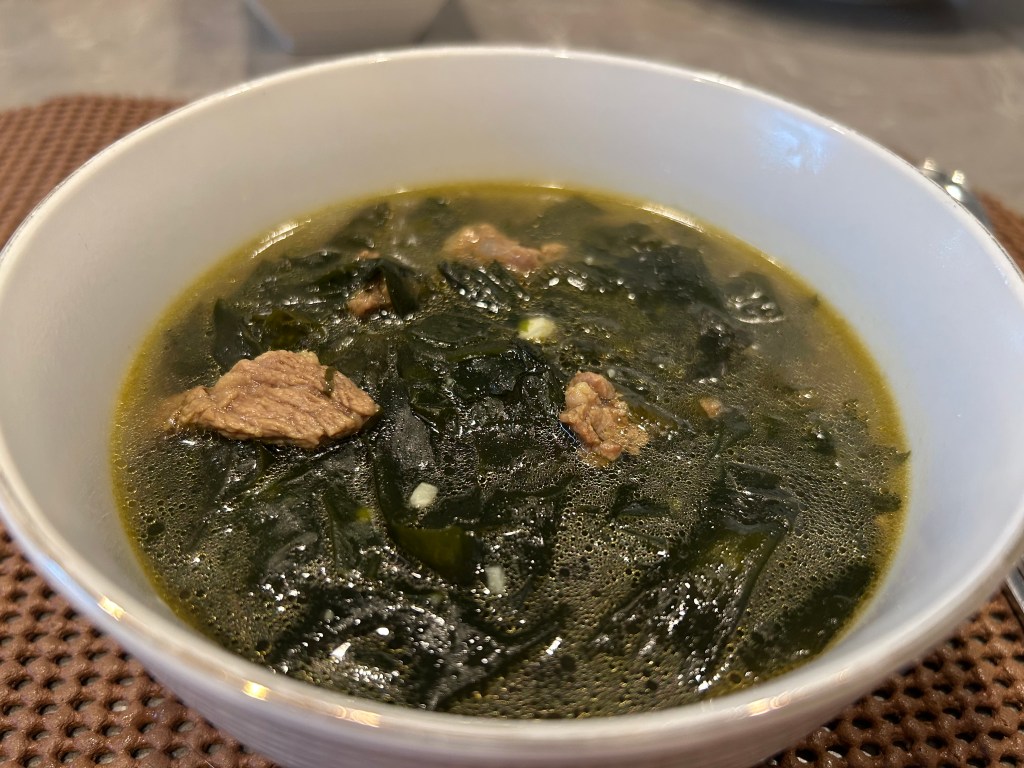
생일날 찾아온 기억, 엄마의 따뜻한 미역국 한 그릇……
한국에서는 생일을 맞은 사람을 위해서 가장 먼저 축하의 마음을 표현하는 첫 번째는 그 사람을 위해서 미역국을 끓이는 일입니다.
Birthday Memories: A Warm Bowl of Mom’s Seaweed Soup
In Korea, the very first way to express congratulations to someone on their birthday is to cook a warm bowl of seaweed soup just for them.
바싹하게 건조 된 미역을 물을 부어 불리고, 알맞게 썰어 놓은 소고기를 고소한 참기름에 볶아서 불린 미역과 함께 다시 볶은 후 물을 붓고, 적당한 간을 첨가해서 맛을 내고, 한 스푼의 마늘향 으로 비릿한 맛을 잡아주며 끓인 미역국은 생일을 맞이한 그 한사람 에게 정성으로 전하는 한그릇의 마음인 것은 사실입니다. 아주 오래 전부터 막연히 생일날 먹는 국으로만 알고 있었고 아무리 바빠도 챙겨 먹게되는 생일 음식이였습니다. 어느 나라든 의미를 부여하며 꼭 먹는 음식들이 있겠지만 한국 사람에게 미역국은 한국의 여러 종류의 국 가운데 가장 많은 의미와 마음을 담아내는 국인것 같습니다.
Soaking crisp, dried seaweed in water, stir-frying bite-sized beef in fragrant sesame oil, adding the hydrated seaweed to sauté together, pouring in water, and seasoning to taste—with a spoonful of garlic to lift away any fishy note—a hot bowl of seaweed soup is truly a gift of heart and sincerity for the birthday person. Since long ago, it has become that one essential meal we naturally reach for, no matter how busy the day gets. While every culture has its own meaningful celebratory dishes, for Koreans, seaweed soup carries more deep significance and emotion than any other soup in Korean cuisine.
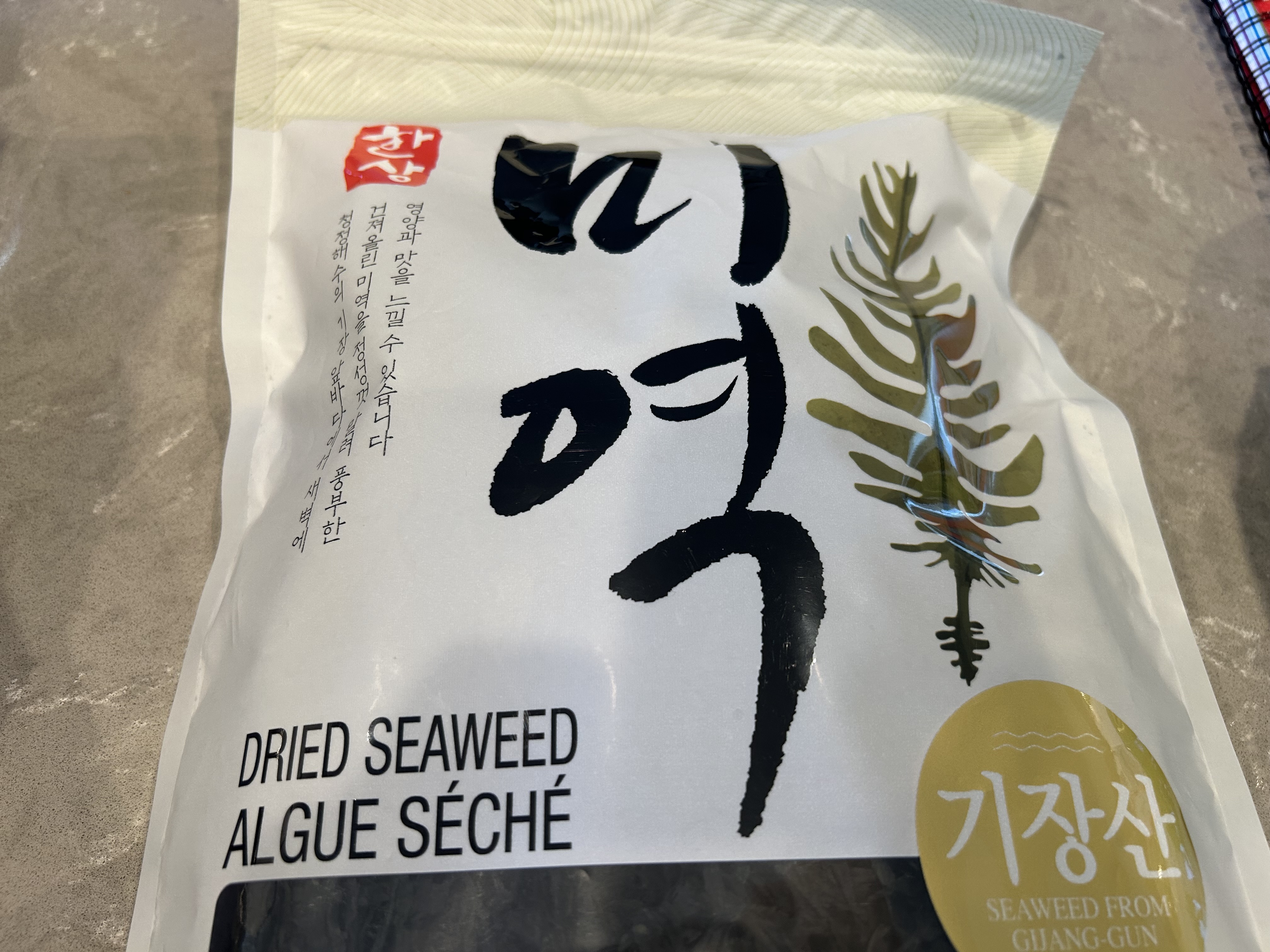
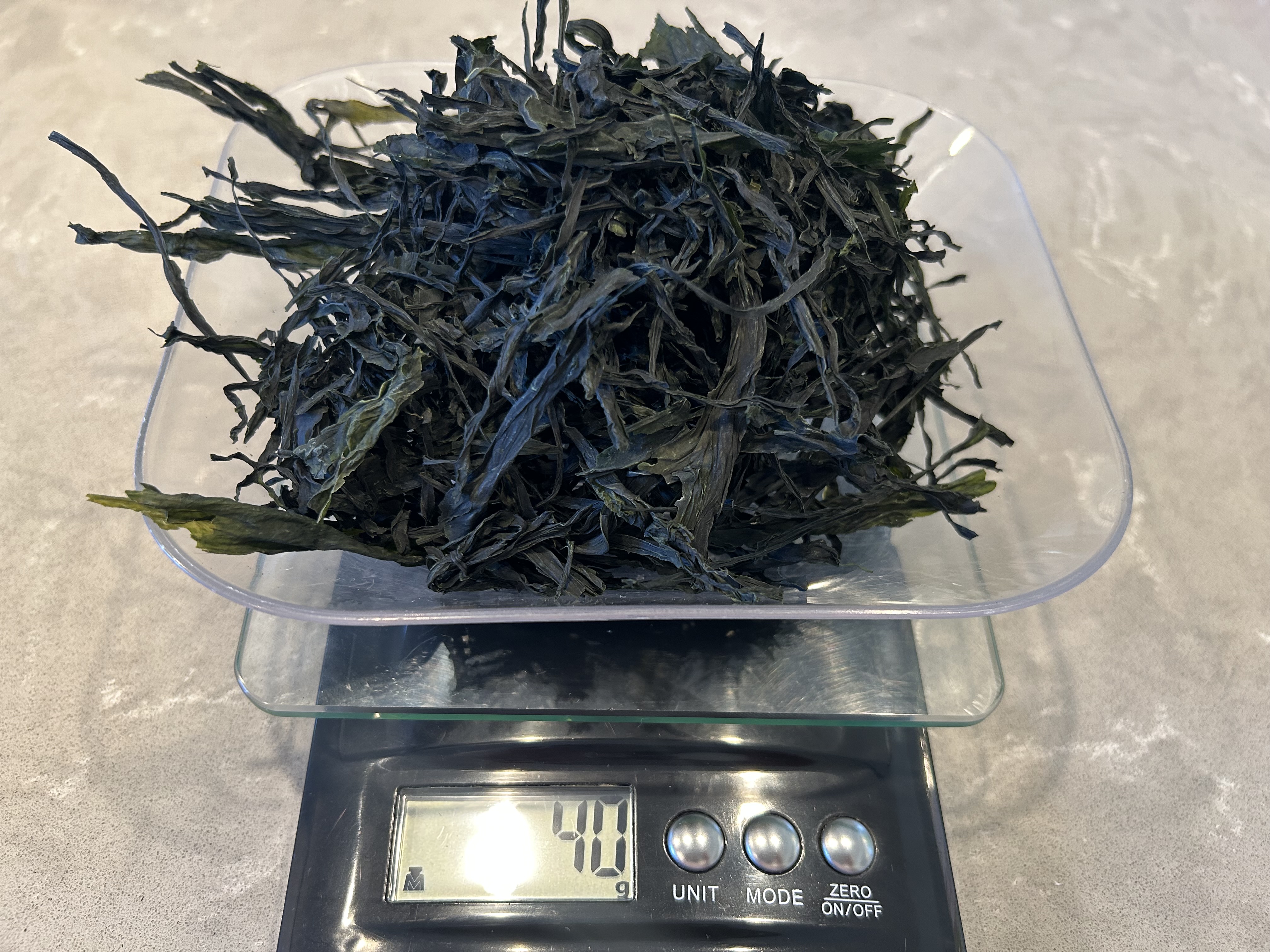
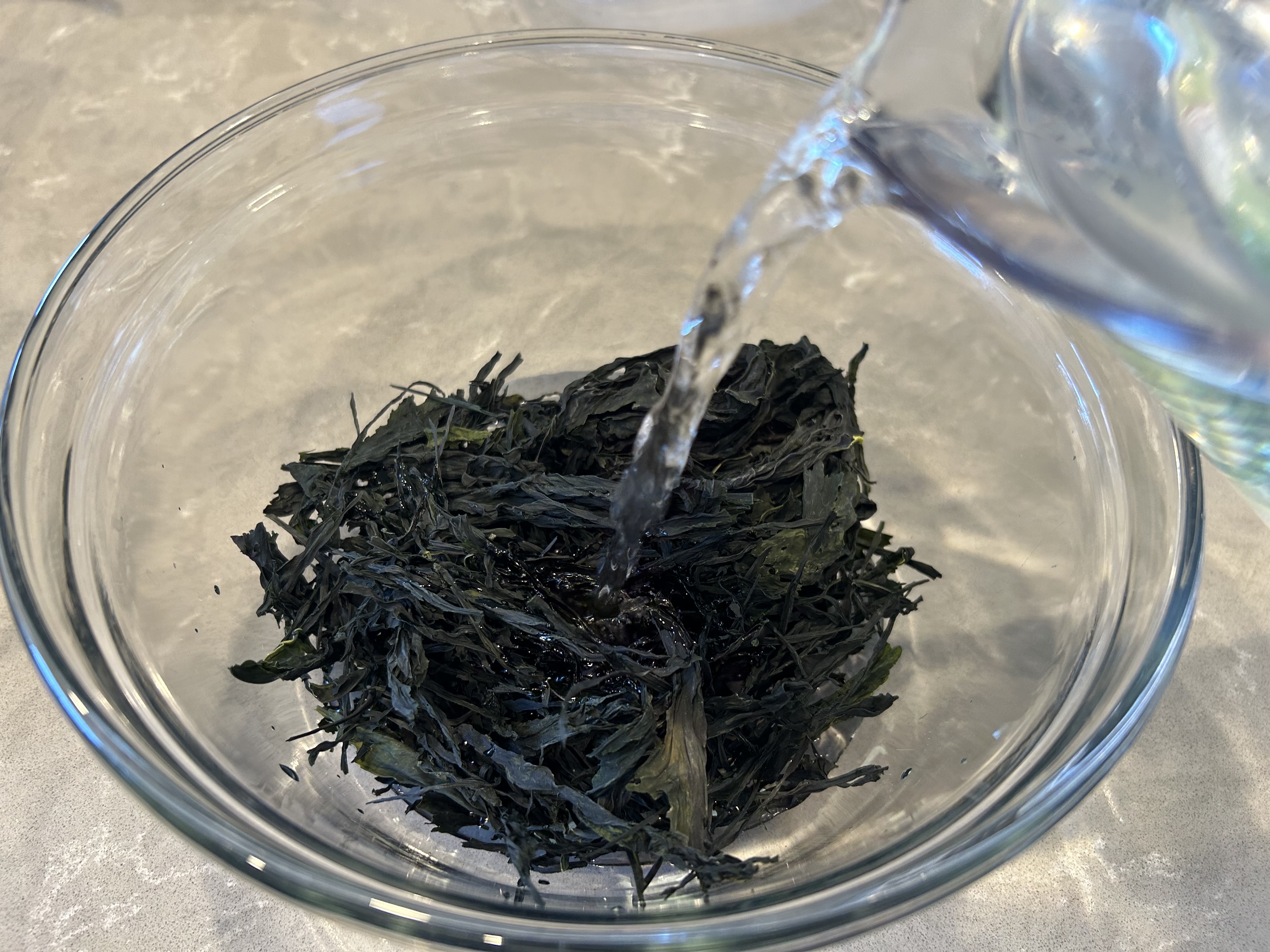
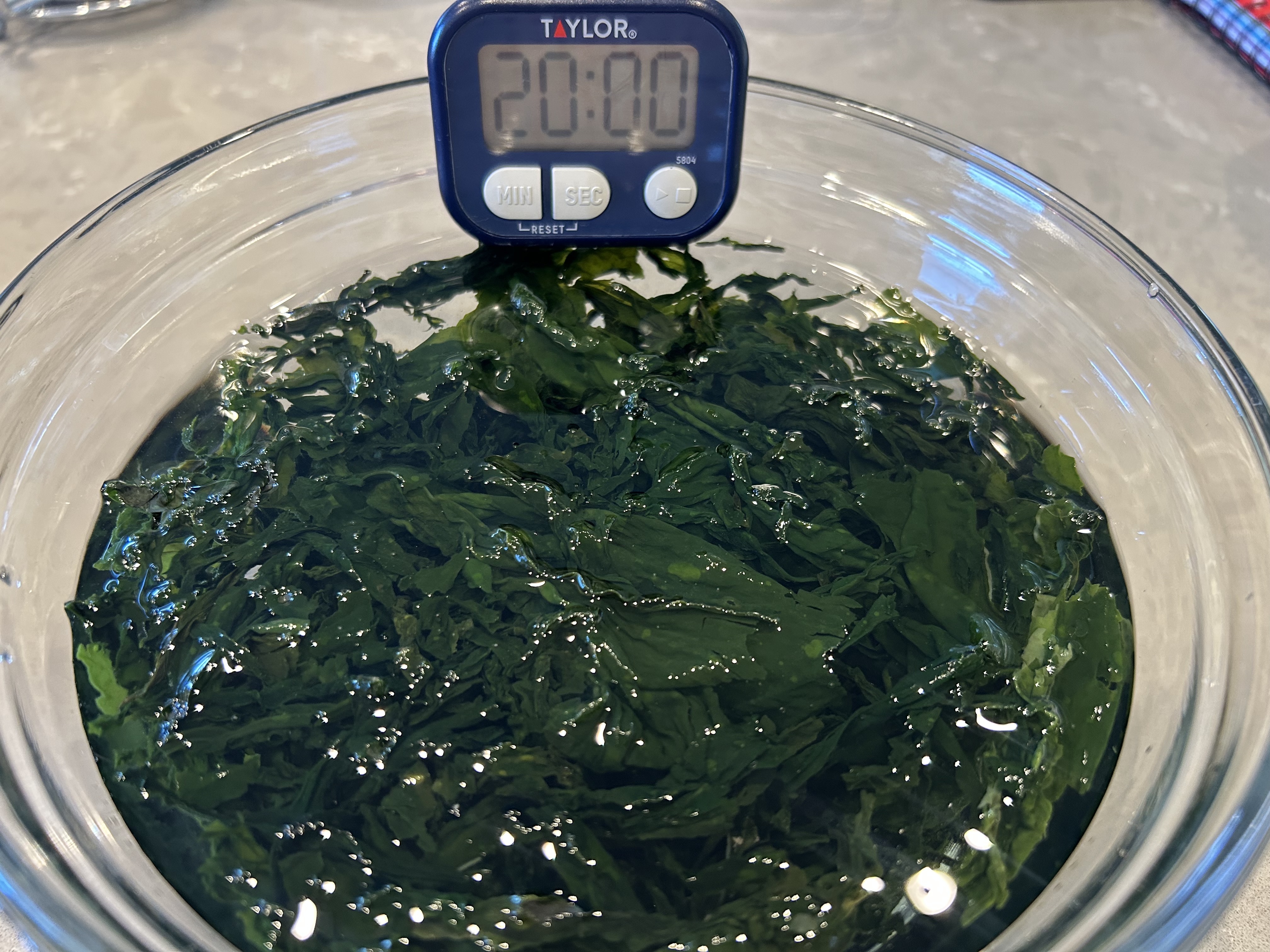
–——->건 미역 40g에 찬물1.5L를 부어서 20분 불립니다. (찬물에 불리지 않으면 비린 맛이 강해집니다) ——–>
—–> Pour 1.5 L of cold water over 40 g of dried seaweed and soak for 20 minutes. (If not soaked in cold water, the fishy flavor can become stronger.) ——>
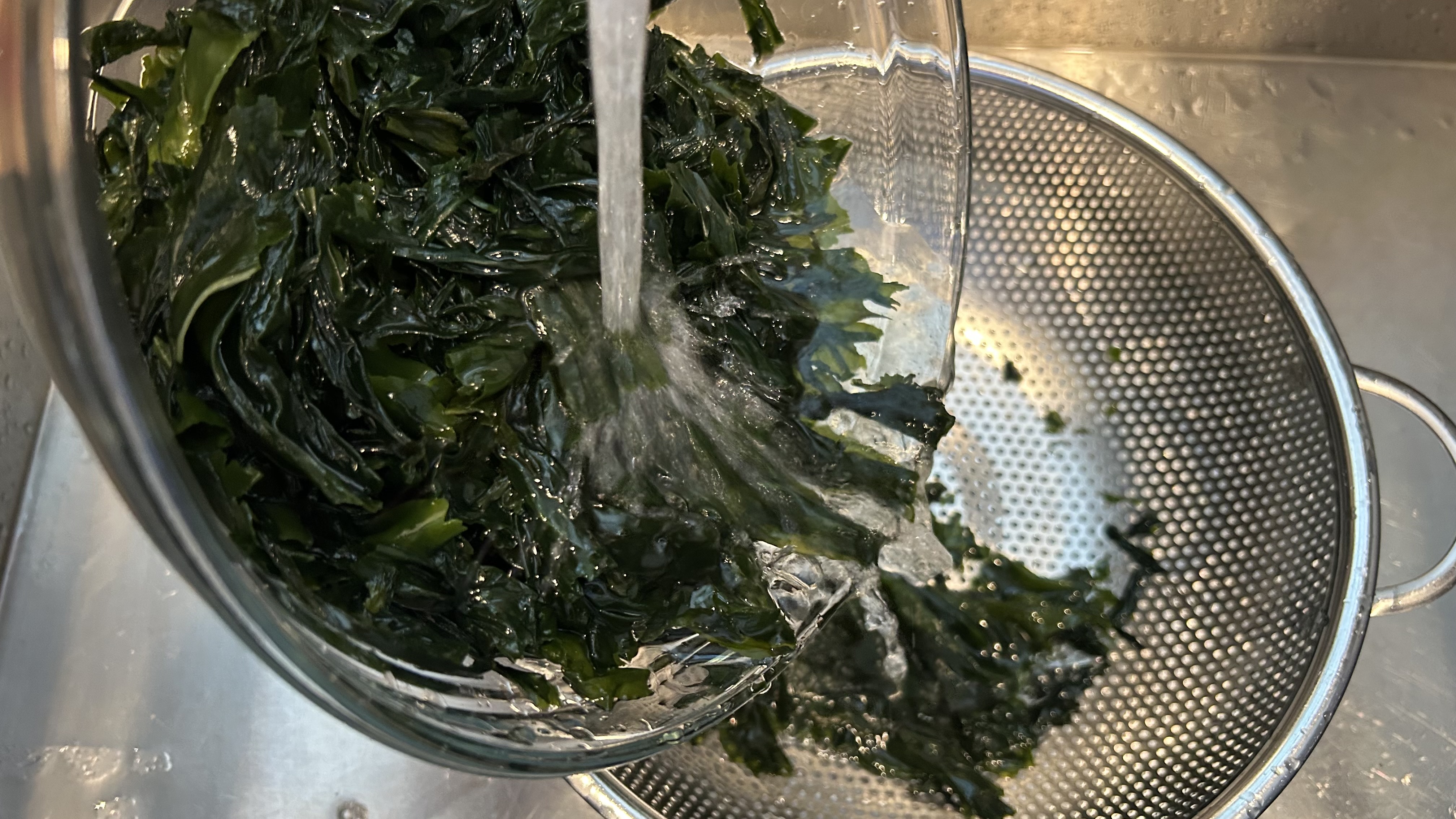
불린 미역을 조물 거리며 씻어 세번정도 씻어줍니다.미역을 건조 시키는 과정에서 생길 수 있는 불순물과 미세한 모래가 있을 수 있습니다.——–>
——> Gently massage and wash the soaked seaweed, rinsing it about three times. This process removes any impurities or fine sand that may have settled during the drying process. ——>
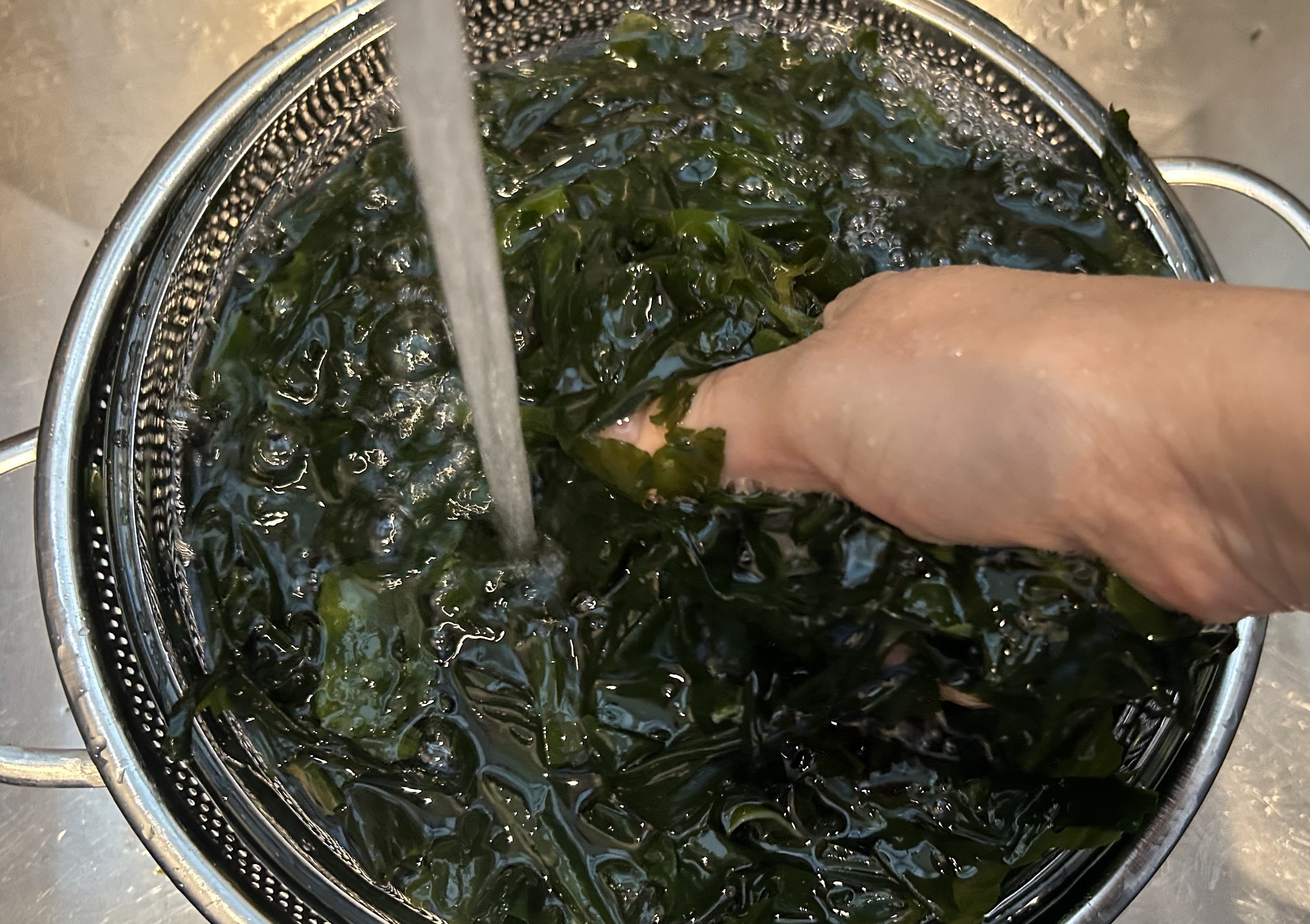
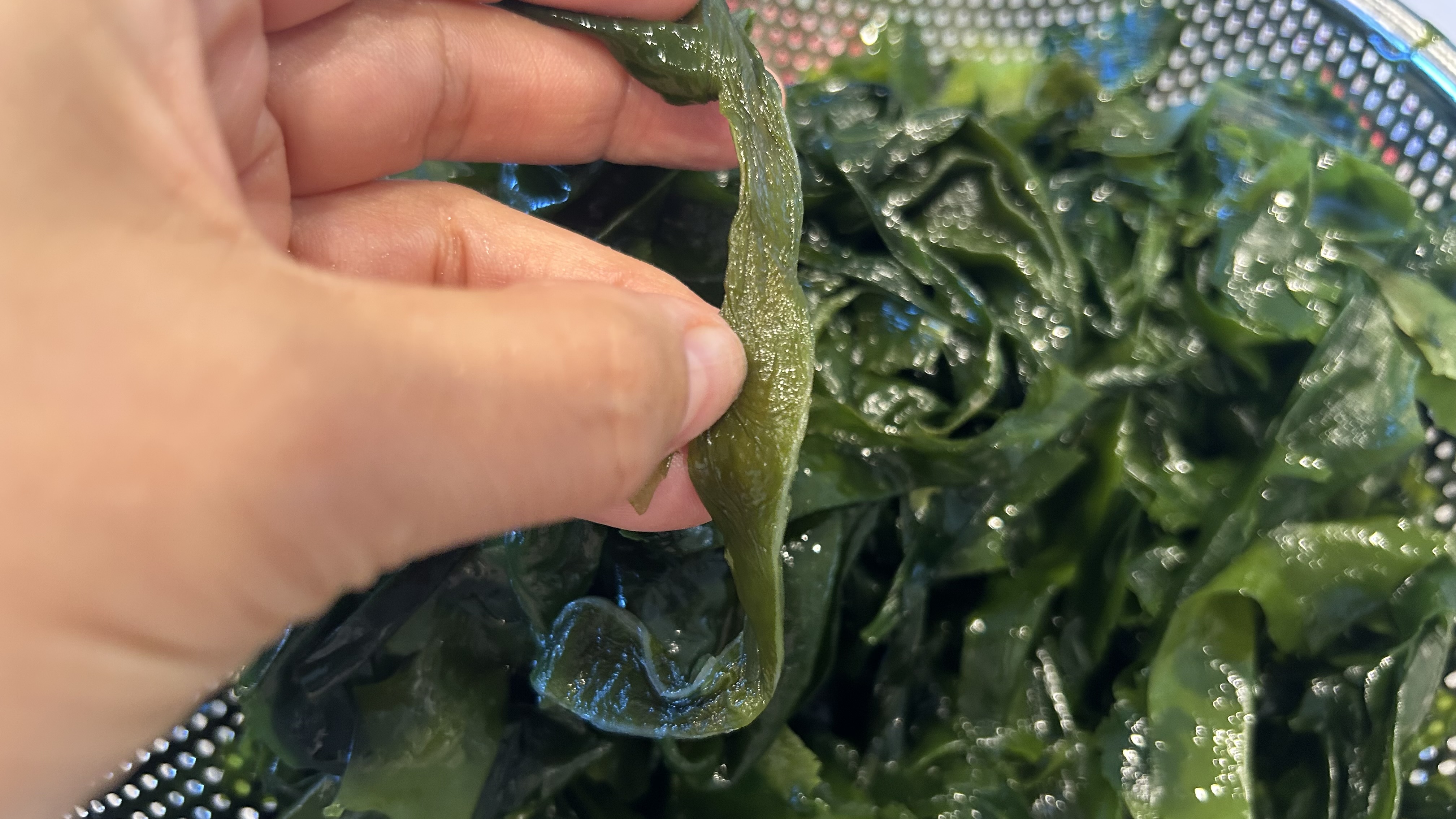
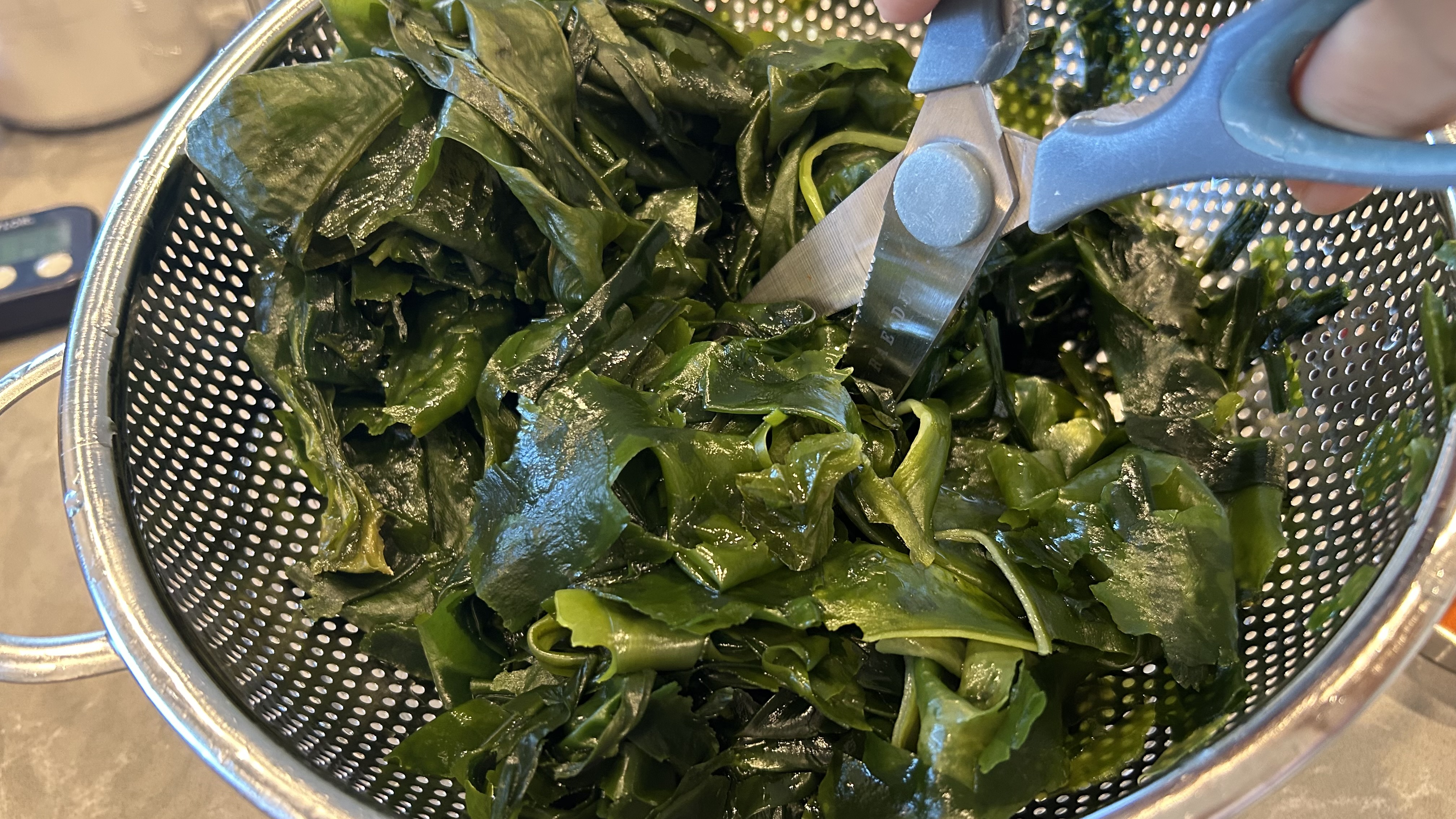
잘 씻은 미역을 채에 건져서 억센 줄기는 제거하고 가위로 먹기 좋은 사이즈로 잘라줍니다.——–>
——> Drain the well-washed seaweed in a colander, trim away any tough stems, and cut it into bite-sized pieces with scissors. ——>
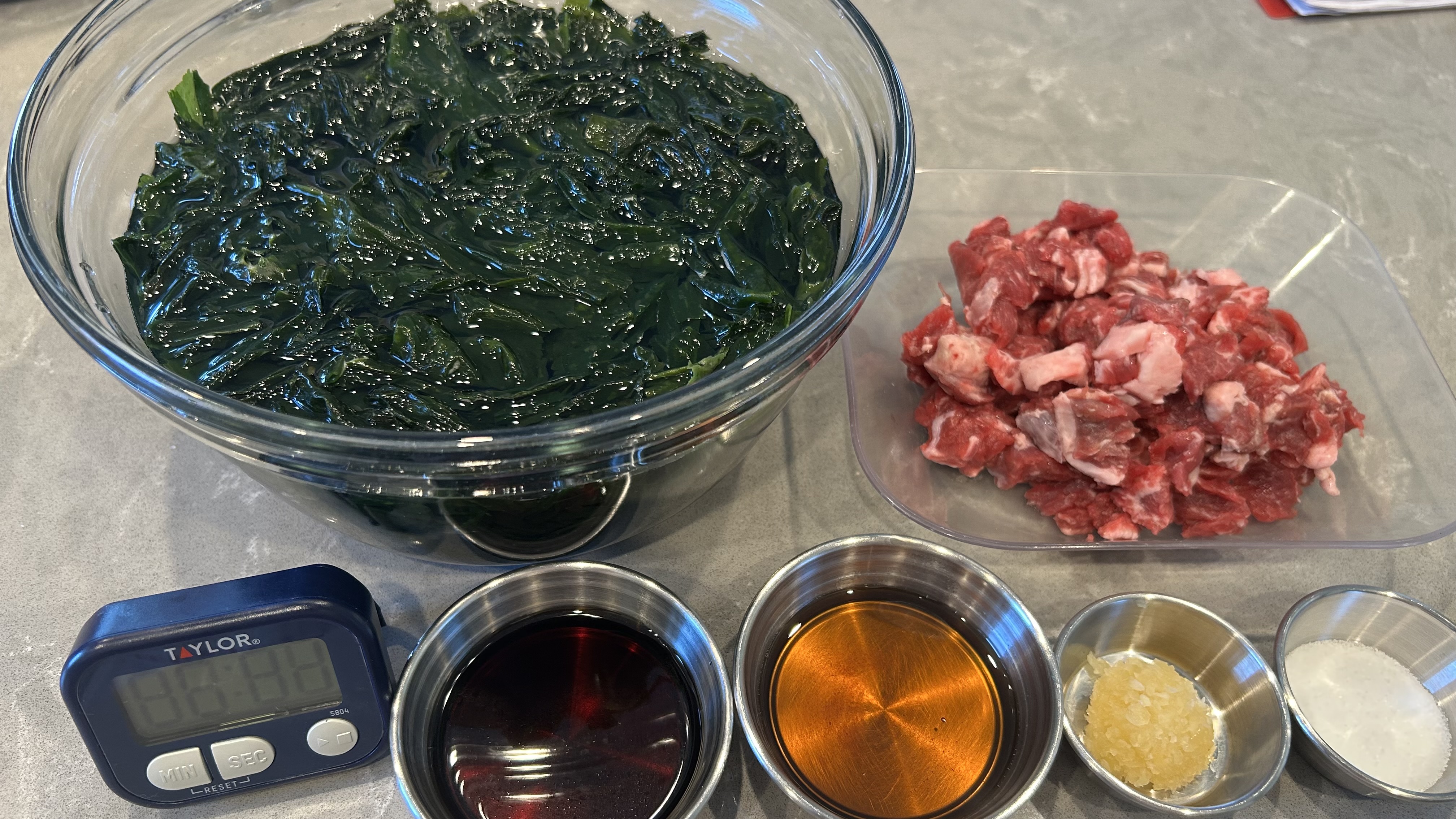
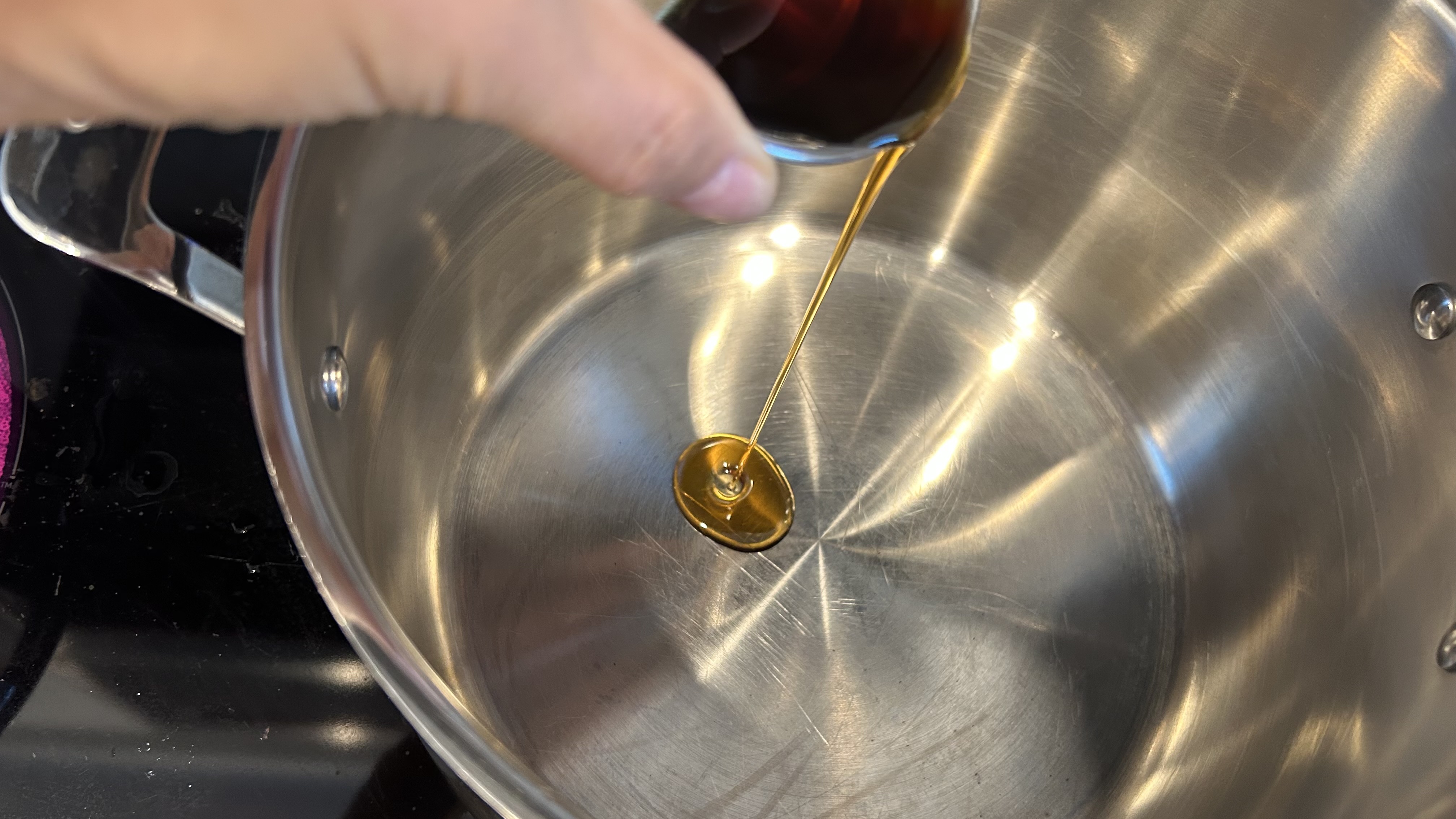
냄비에 참기름4TBSP를 넣고(비릿한 미역향을 잡아주고,참기름에 의해 미역 속 감칠맛 성분이 국물로 우러나와 맛이 구수해 집니다.)——–>
——> Add 4 tbsp of sesame oil to the pot. (This neutralizes the fishy aroma of the seaweed, while the oil helps extract its rich umami flavors into the broth for a deeper, savory taste.) ——>
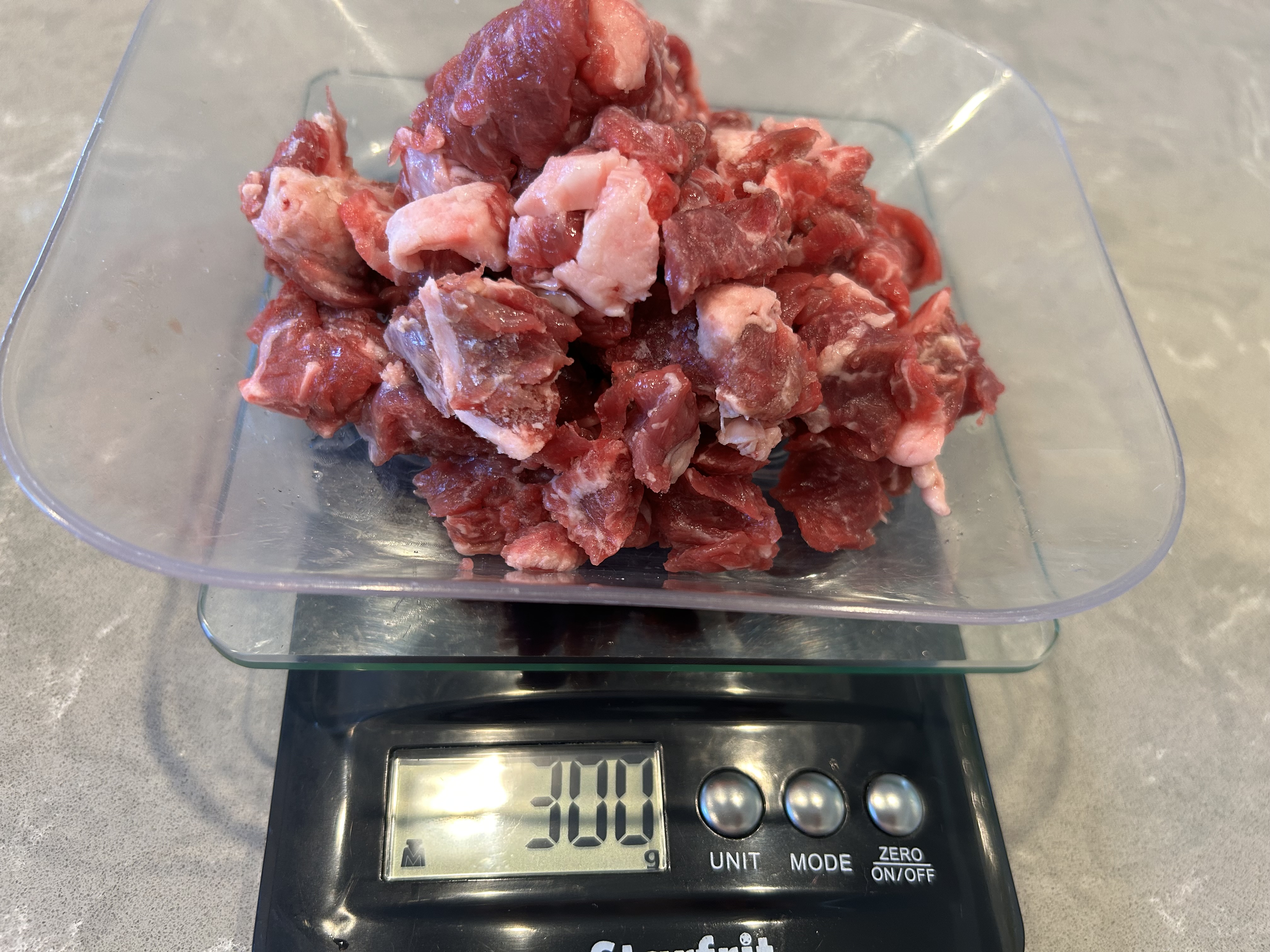
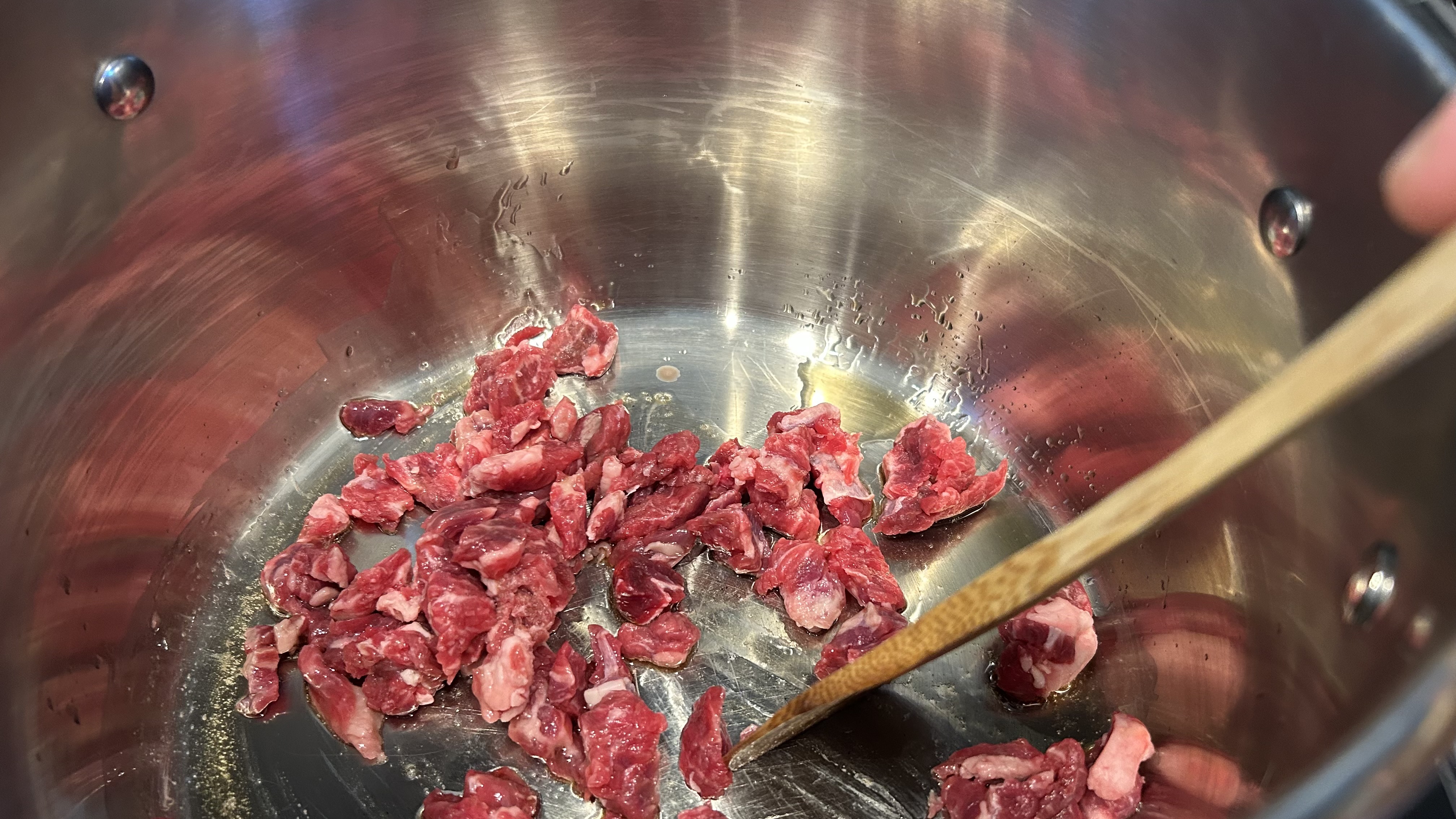
잘게 썰어진 소고기300g 을 넣어 잘 볶아줍니다. 이때 고기가 완전히 안 익어도 됩니다.——–>
——> Add 300 g of finely chopped beef and stir-fry well. The meat does not need to be fully cooked at this stage. ——>
어느 정도 고기가 볶아지면 잘라놓은 미역을 넣고 다시 볶아줍니다.——–>
——> Once the beef is lightly browned, add the prepared seaweed and stir-fry together again. ——>
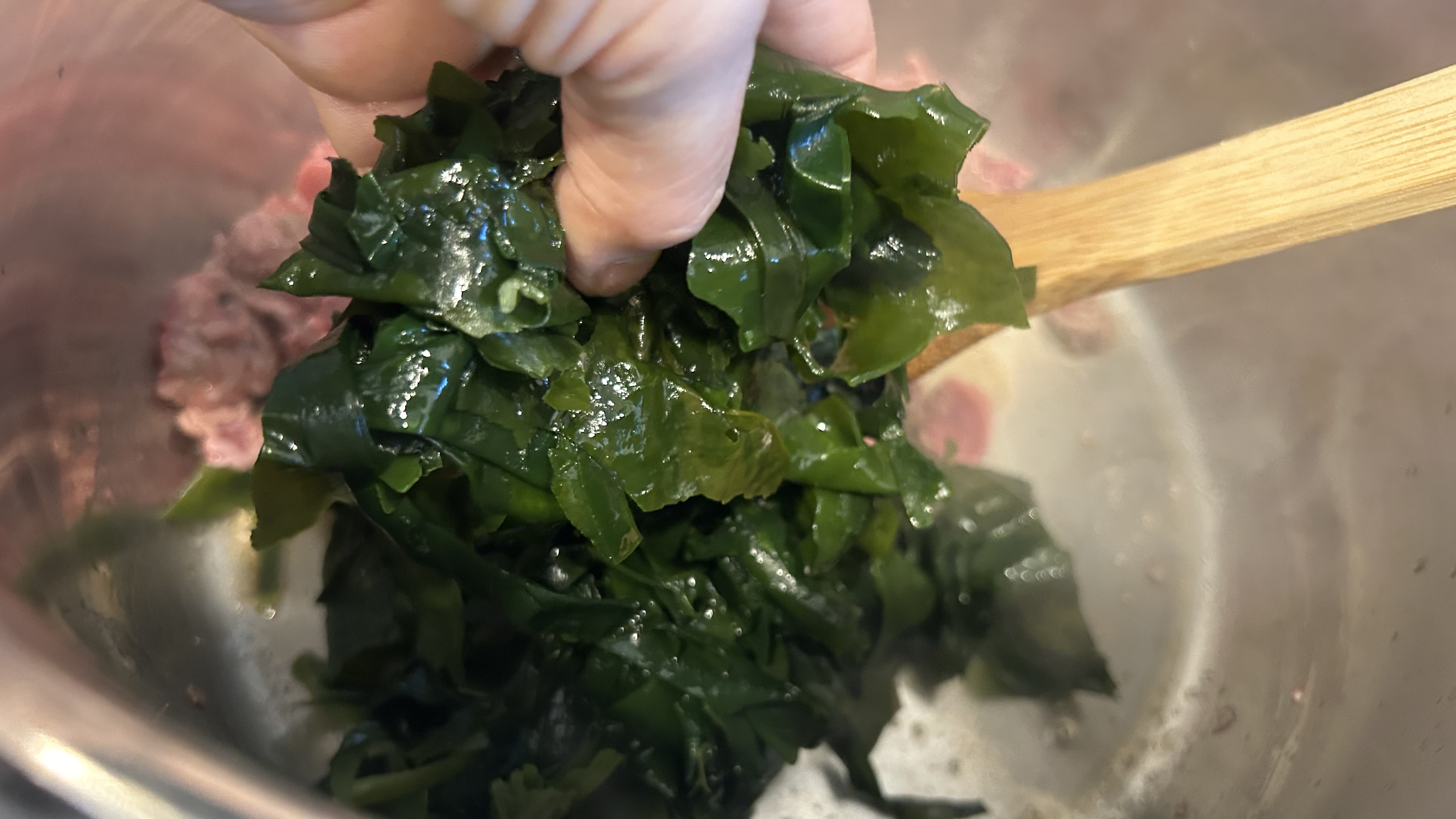
이때 물1CUP, 마늘1Tsp (미역의 비린맛을 잡기 위해 넣었습니다) 소금1Tsp, 간장4Tsp를 넣어 미역이 자작하게 볶아지듯이 2~3분 정도 더 볶아준 후 물3L를 넣고 끓여 줍니다.——–>
——> At this point, add 1 cup of water, 1 tsp of minced garlic (added to remove any fishy flavor from the seaweed), 1 tsp of salt, and 4 tsp of soy sauce. Stir-fry for another 2 to 3 minutes until the seaweed turns soft and glossy, then pour in 3 L of water and bring to a boil. ——>
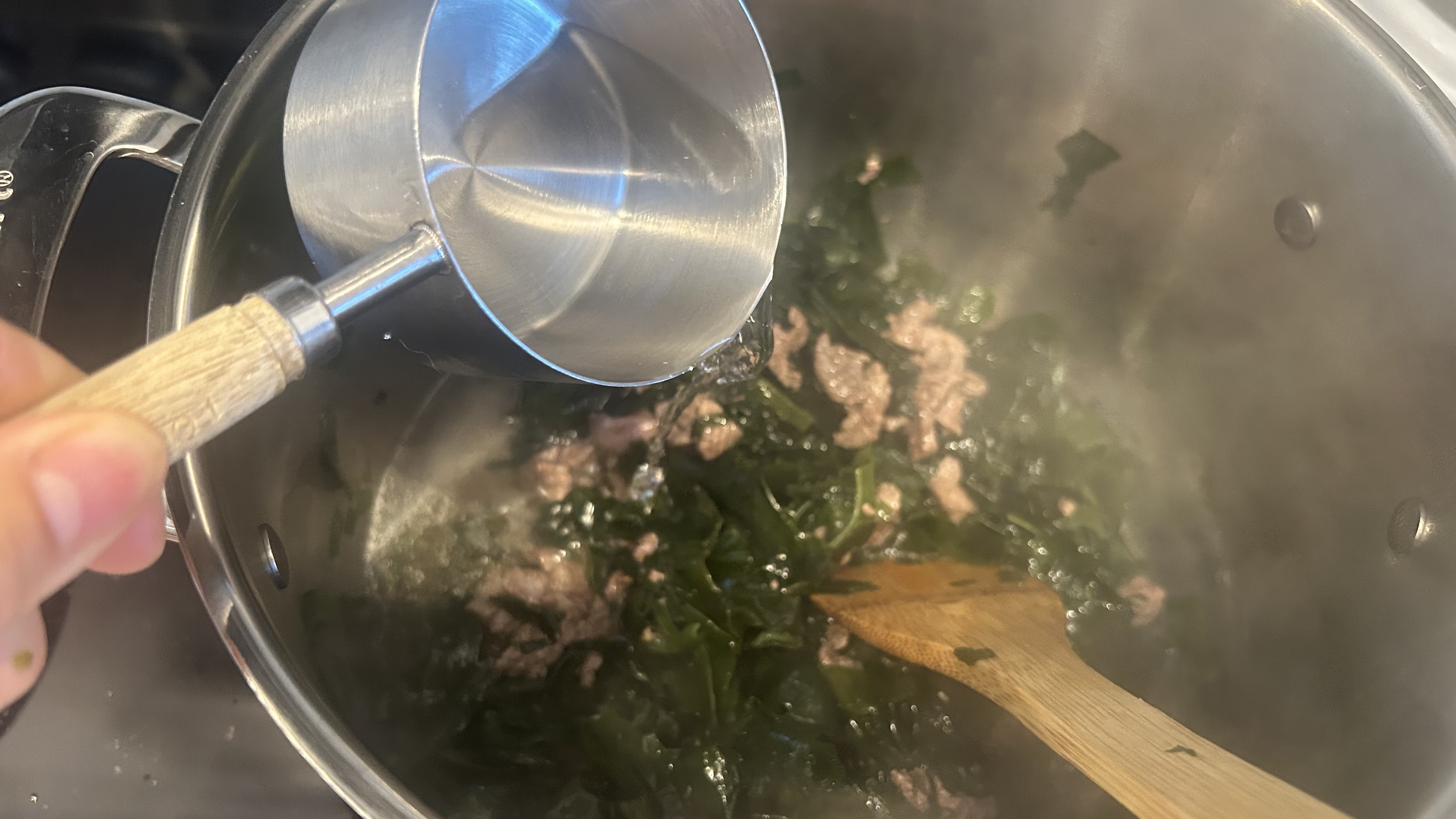
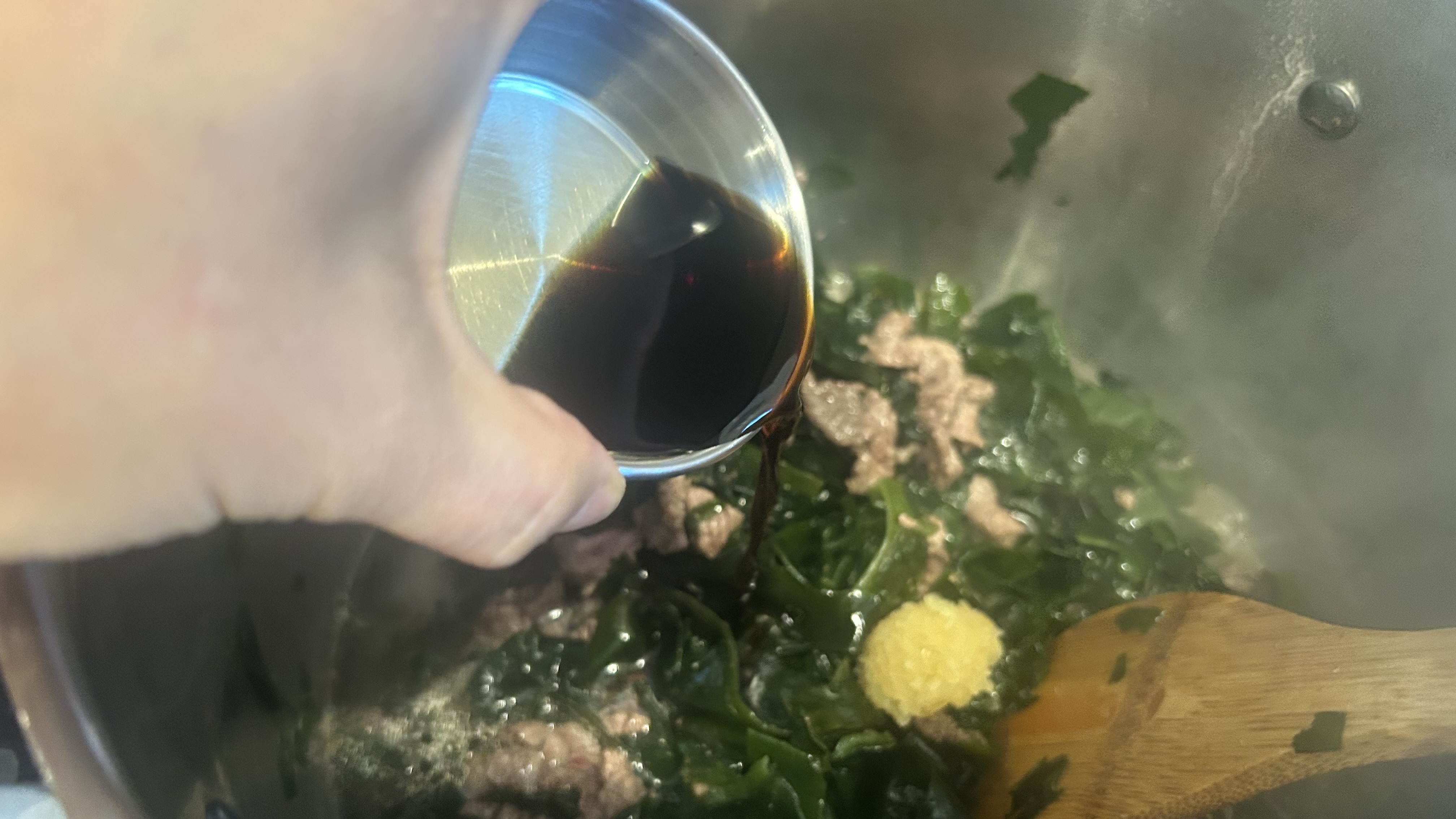
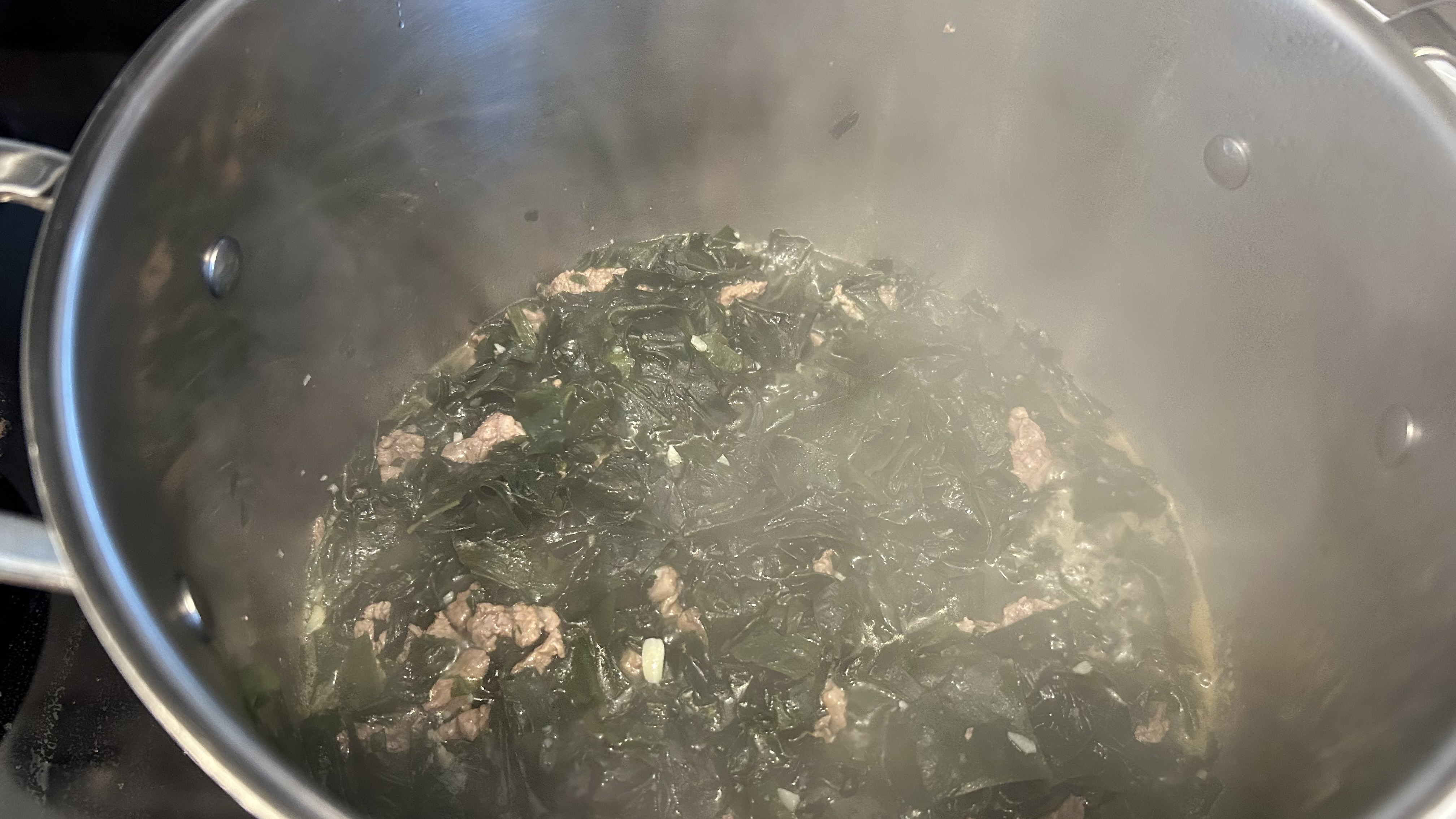
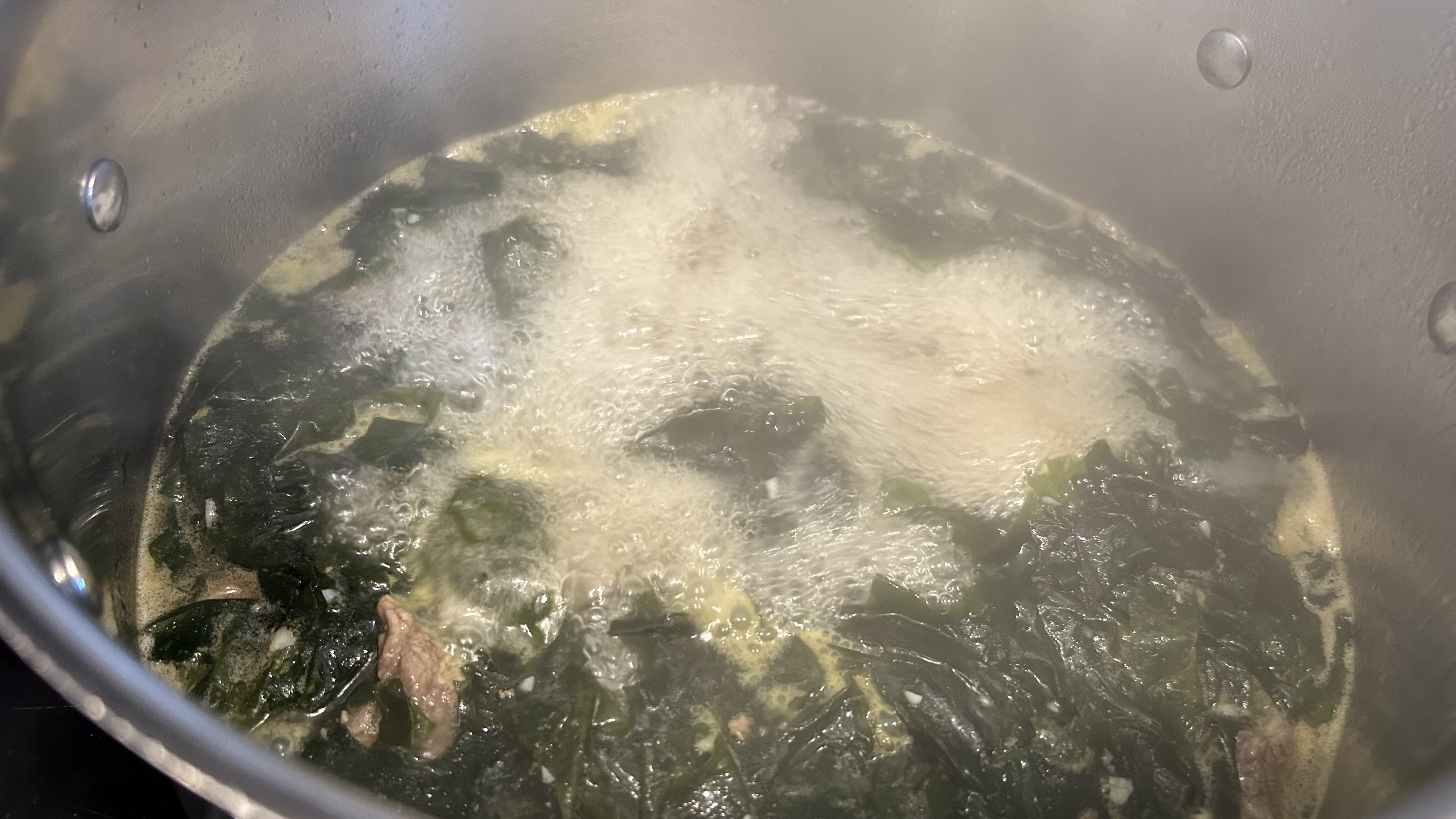
끓으면 불을 중간불로 줄여서 20분 정도 더 끓여줬습니다. 마지막으로 기호에 맞게 싱거우면 소금보다는 간장으로 간을 맞춰주면 됩니다.
——> Once it comes to a boil, reduce the heat to medium and simmer for about 20 minutes. Finally, adjust the seasoning to your taste—if it needs more saltiness, using soy sauce rather than salt is recommended.
나의 생일날 그 어떤 음식보다 따뜻하고 속이 편한 미역국을 나를 위해 끓여 보았습니다. 그렇다고 미역국을 생일날만 먹는 음식은 아닙니다. 한국 사람들의 식생활에 미역은 그리고 미역국은 자주 편하게 만들어 먹는 음식 중 하나 입니다. 그런데 그냥 평소에 먹던 음식이 왜 생일날 특별해지는 걸까요?
For my own birthday, I cooked a bowl of seaweed soup for myself, a dish warmer and more soothing to the stomach than any other food. That is not to say seaweed soup is eaten only on birthdays. In the daily diet of Koreans, seaweed and seaweed soup are among the most common and easily prepared meals. But why does a dish eaten so ordinarily become so special on a birthday?
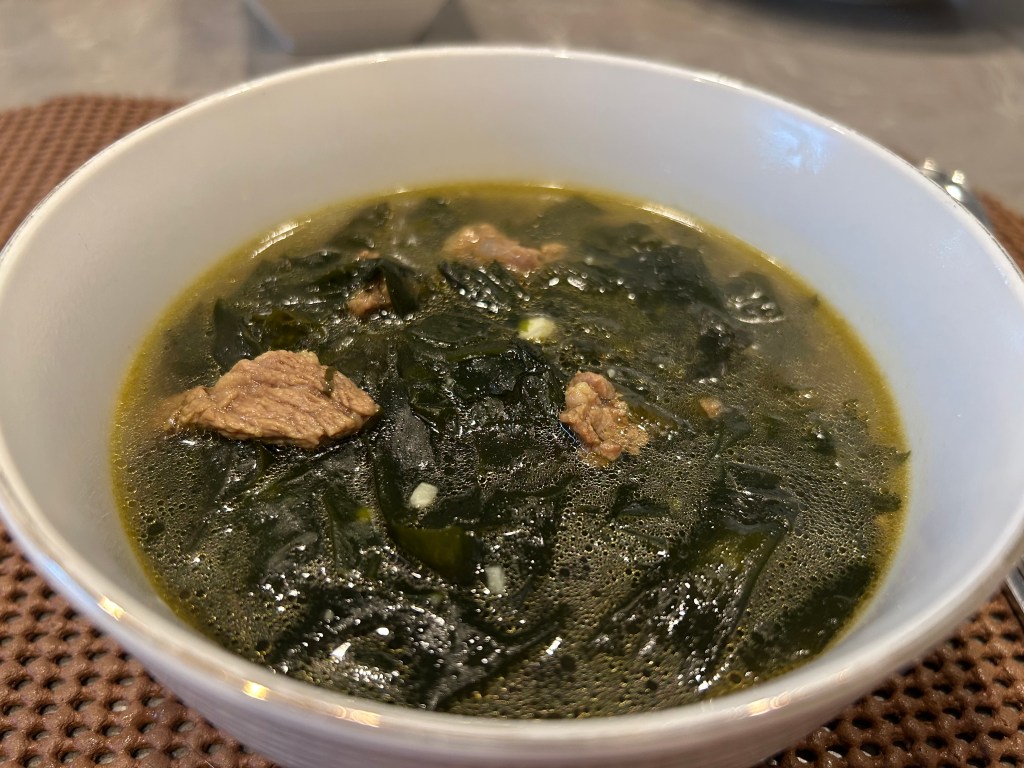
그것은 엄마들을 위한 음식 이였기 때문 입니다.
That is because it was originally a food created for mothers.
한국에서는 예전이나 지금도 출산을 한 엄마들에게 회복의 음식으로 적어도 한국말로 “삼칠일” 동안은 미역국을 먹게 합니다. “삼칠일” 이란 21일의 기간입니다.
In Korea, both in the past and today, seaweed soup is given to mothers who have just given birth as a restorative food for at least “Samchil-il.” “Samchil-il” refers to a period of 21 days(which means 3 times 7, or 21 days).
아무리 짧아도 그 시간 까지는 출산을 한 엄마들은 아기보다는 자신의 몸을 먼저 회복 시키는 것에 집중합니다. 그 시간 동안은 모든 가족들이 엄마를 대신해서 아기를 돌보고 엄마를 위해 매일같이 미역국을 끓입니다. 우리의 엄마도 엄마의 엄마도 그리고 나도 그렇게 긴 시간 미역국을 먹으면서 산후조리를 한것같습니다. 그런데 많은 음식 재료 중에서 왜 미역 일까요?
For at least that brief period, newborn mothers focus on recovering their own bodies before anything else. During this time, the entire family steps in to care for the baby and cooks seaweed soup for the mother every single day. Our mothers, their mothers before them, and I myself all went through postpartum recovery while eating seaweed soup for that long stretch of time. But out of all the possible ingredients, why seaweed?
엄마가 되는 날 출산은 여성의 몸이 경험하는 가장 극심한 에너지가 소모되고 출혈과 조직 손상이 동반되는 사건입니다. 과거 의학이 발달하지 않았던 시절에도 선조들은 경험적으로 미역이 산모를 살리는 식재료임을 깨달았다고 합니다.

Giving birth and becoming a mother is an event accompanied by intense energy depletion, blood loss, and tissue damage. Even long ago, before modern medicine developed, our ancestors learned through experience that seaweed was an essential ingredient for saving and restoring a new mother’s body.
당나라 문헌인 “초학기(初學記)”나 조선시대 “오주연문장전산고” 등에 따르면, “새끼를 낳은 어미 고래가 미역을 뜯어 먹어 유착된 상처를 치료하고 피를 맑게 하는 것을 보고 사람들이 산모에게 미역을 먹였다”고 전해집니다.
According to ancient records such as Chohakgi (初學記) from the Tang Dynasty and Oju Yeonmun Jangjeon Sango (五洲衍文長箋散稿) from the Joseon Dynasty, it is said that people began feeding seaweed to mothers after observing mother whales eating seaweed after giving birth to heal their internal wounds and purify their blood.
그럼 미역의 어떤 성분이 출산을 한 엄마들에게 회복이 되었을까요?
So, what specific nutrients in seaweed actually helped new mothers recover after giving birth?
미역의 주요 성분은 먼저 알긴산 (Alginic Acid)이란 성분이 있는데 미역 표면의 끈적이는 수용성 식이섬유 입니다. 체내의 중금속, 노폐물, 어혈을 흡착해 배출해 주고 장 운동을 도와 변비 예방과 산후 부기 완화에 탁월합니다.
The main components of seaweed begin with alginic acid, the slippery, water-soluble dietary fiber on its surface. It absorbs and excretes heavy metals, waste products, and stagnant blood from the body, while promoting bowel movement to prevent constipation and relieve postpartum swelling.
다음으로는 요오드 (Iodine) 갑상선 호르몬 합성에 필수적인 무기질입니다. 신진대사를 촉진하고 출산 후 자궁 수축과 지혈 작용, 모유 분비를 돕습니다.
Next is iodine, an essential mineral for thyroid hormone synthesis. It boosts metabolism, aids in uterine contraction and hemostasis after delivery, and supports lactation.
미역하면 떠오르는 철분 (Iron) 입니다. 적혈구 생성을 도와 출산이나 생리로 인한 빈혈을 예방하고 기력을 회복시킵니다.
Then comes iron, the nutrient most commonly associated with seaweed. It promotes red blood cell production, preventing anemia caused by childbirth or menstruation and restoring physical energy.
칼슘 (Calcium)은 시금치보다 칼슘 함량이 높아 뼈 건강에 좋으며, 산모나 성장기 아이들의 뼈 건강을 지켜줍니다.
Seaweed is also rich in calcium, containing even more than spinach. It is excellent for bone health, protecting the bones of both mothers and growing children.
마지막으로 들어있는 후코이단 (Fucoidan)성분은 해조류 특유의 항산화·면역 증진 성분으로, 세포 손상을 막고 면역력을 높이는 데 도움을 줍니다.
Lastly, fucoidan is a unique antioxidant and immune-boosting compound found in seaweeds. It helps prevent cell damage and enhances overall immunity.
또한, 모유의 바탕이 되는 수분과 미네랄이 들어 있어 산모가 미역국을 물처럼 마시면 젖이 잘 돈다는 점도 산후회복의 핵심이었습니다.
Furthermore, seaweed is packed with the water and minerals that form the foundation of breast milk, making the tradition of mothers drinking warm seaweed soup almost like water a key element of postpartum recovery.
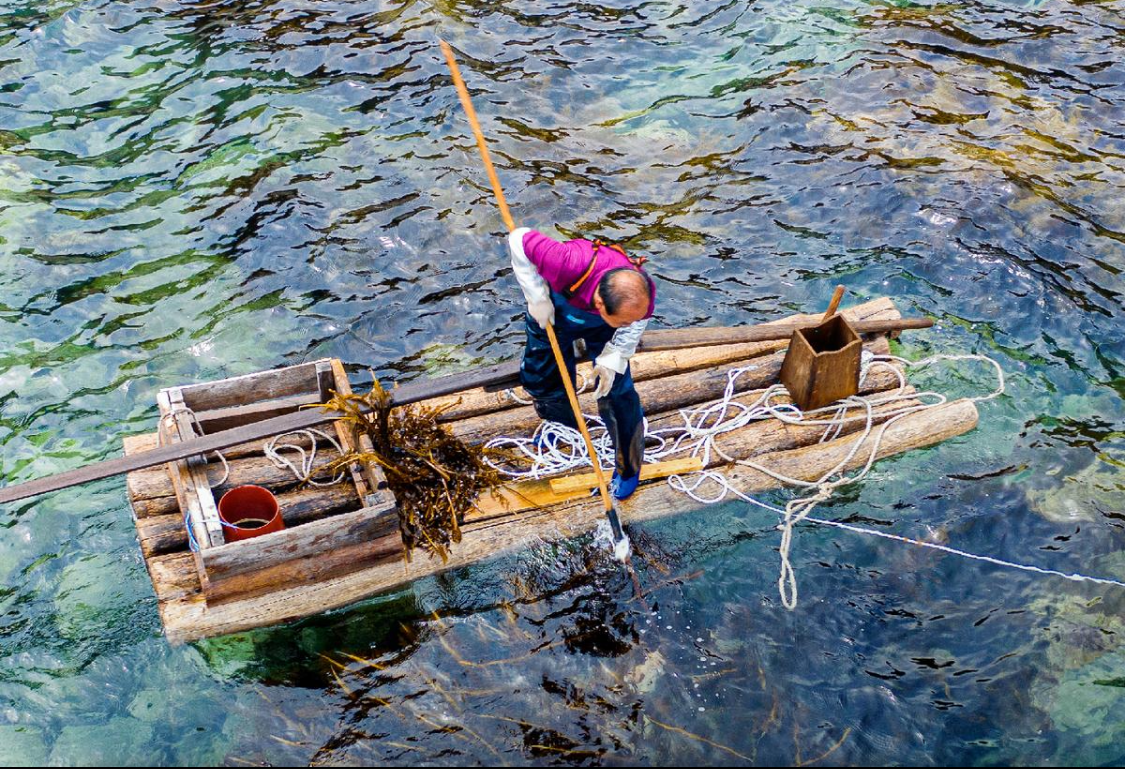
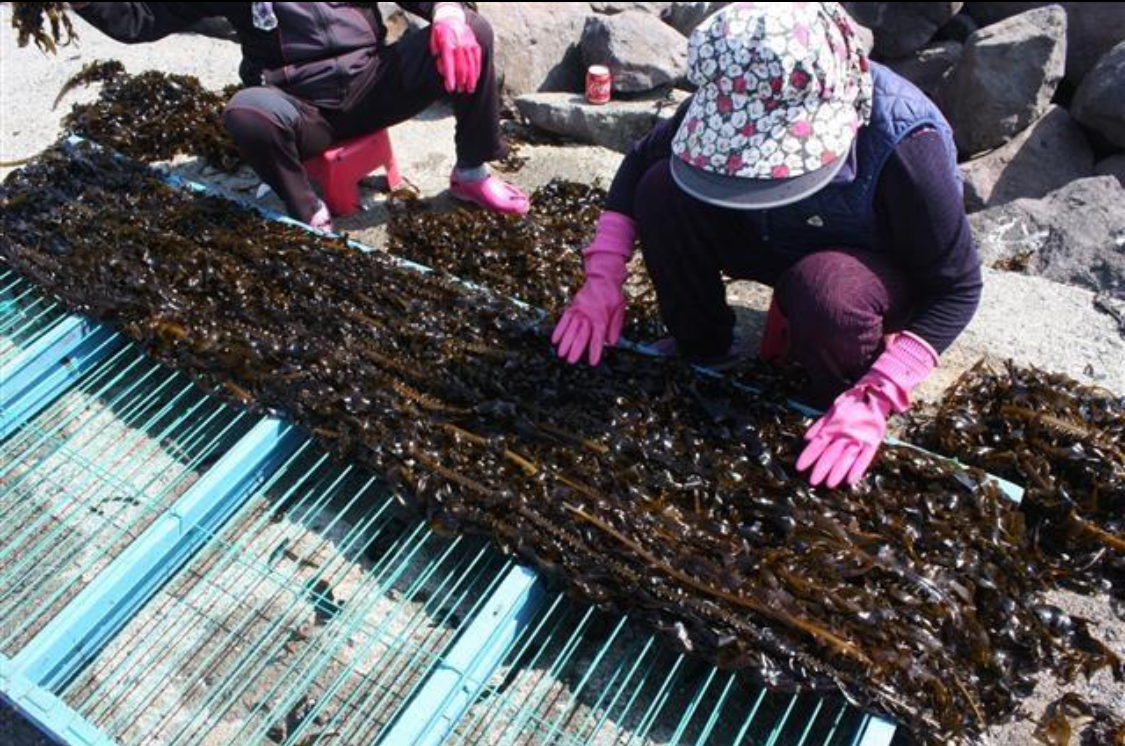
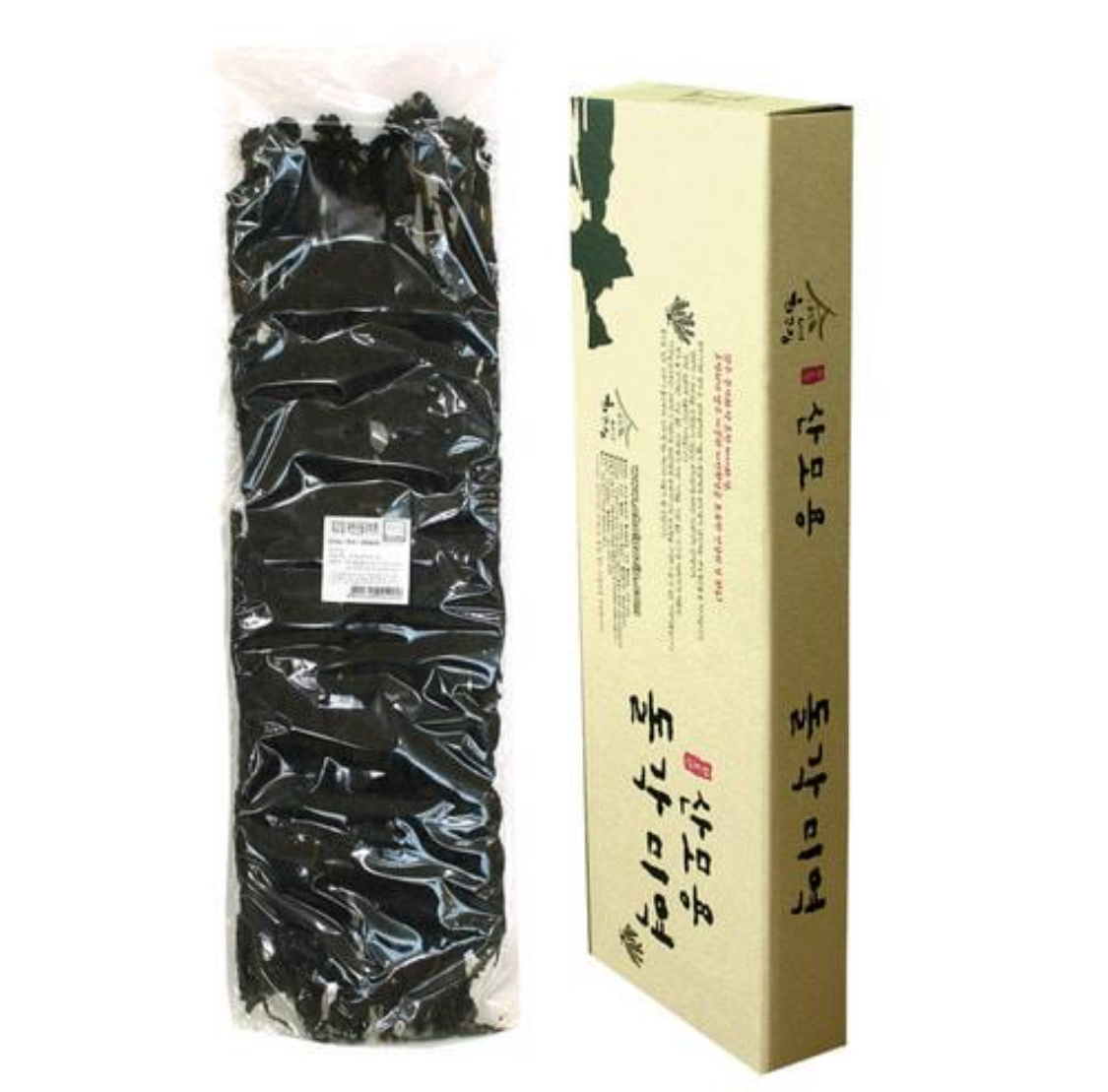
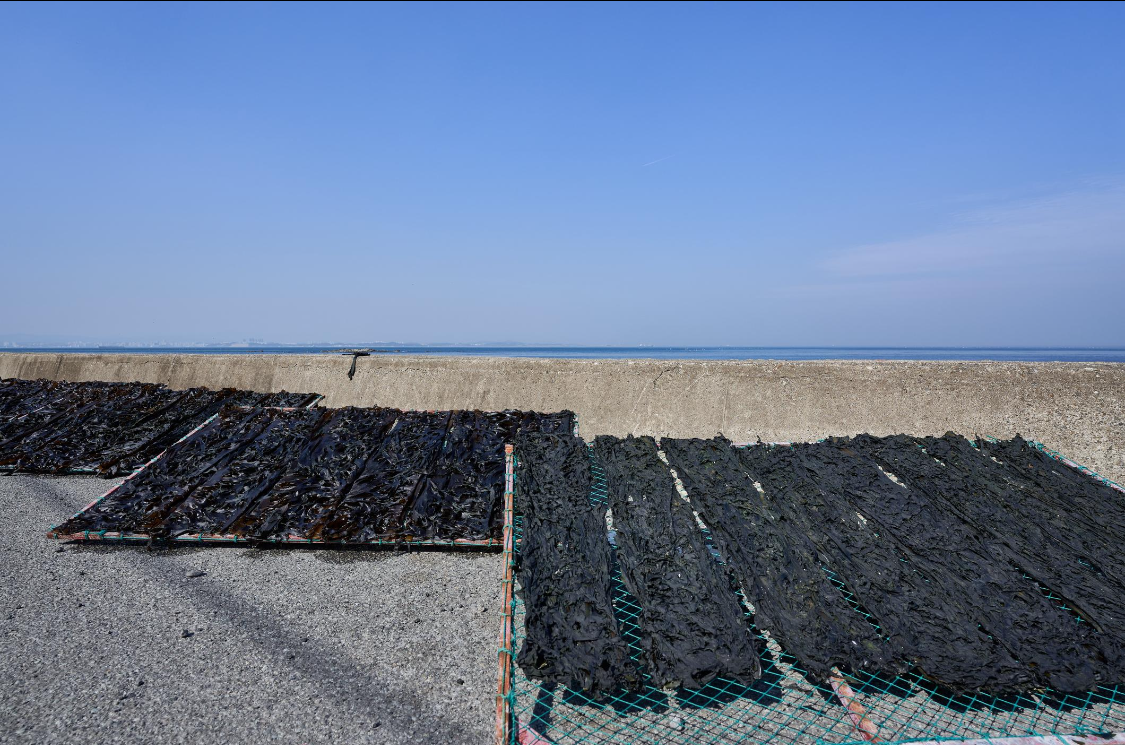
한국의 옛 사람들은 산모를 위해 가장 길고 질 좋은 미역만 골라 꺾지 않고 길게 말렸습니다. 미역을 꺾으면 태어날 아기의 운이 꺾인다고 믿을 정도로 정성을 다했습니다. 그래서 한국에서는 출산을 앞둔 산모용 미역을 따로 팔고 있습니다. 물론 그 미역은 대량으로 재배하는 미역이 아니라 자연적으로 바다의 돌에 붙어 해풍에 살아남고 길러진 미역으로 질감이나 영양 면에서 뛰어난 미역입니다. 가격 또한 우리가 흔히 마트에서 사는 미역과 견줄 수 없을 만큼 비쌉니다. 그 비싼 미역을 엄마와 시어머니들은 출산을 앞둔 딸과 며느리를 위해 준비해서 회복 기간 내내 끓여 줍니다.
In ancient Korea, people selected only the longest and highest-quality seaweed for expectant mothers, drying it whole without breaking it. They put so much devotion into this preparation, believing that snapping the seaweed might bring bad luck to the newborn child. For this reason, Koreans still sell specialized seaweed specifically meant for new mothers. Naturally, this is not mass-cultivated seaweed, but high-grade wild seaweed grown naturally on ocean rocks and weathered by ocean breezes, making it far superior in both texture and nutritional value. Its price, too, is beyond comparison to the common seaweed bought at local markets. Mothers and mothers-in-law willingly prepare this precious seaweed for their daughters and daughters-in-law ahead of childbirth, boiling warm bowls of soup for them throughout their entire recovery period.
어쩌면 자신들이 처음 엄마가 되던 날을 떠올리면서 회복의 모든 기억을 더듬으면서 돌보아 줍니다. 결국은 생일날 미역국은 우리의 엄마들의 국이였습니다.
Perhaps they care for us by reflecting on the very day they first became mothers, tracing every memory of their own recovery. In the end, the seaweed soup eaten on birthdays was always a soup that belonged to our mothers.
그런데, 그 시간이 지나면 미역국은 나의 생일날의 국이 됩니다.
Yet, as time passes, that same seaweed soup becomes the soup of our own birthday.
내가 태어난 날, 사실 가장 큰 고통을 견뎌내고 미역국을 먹어야 했던 주인공은 엄마였습니다. 그런데 자라면서 보면 정작 내 생일날 아침, 문을 열고 미역국을 들고 오는 사람 역시 엄마입니다. 왜 엄마들은 자신이 주인공이어야 할 그 국을 자식에게 지금까지 끓여줄까요?
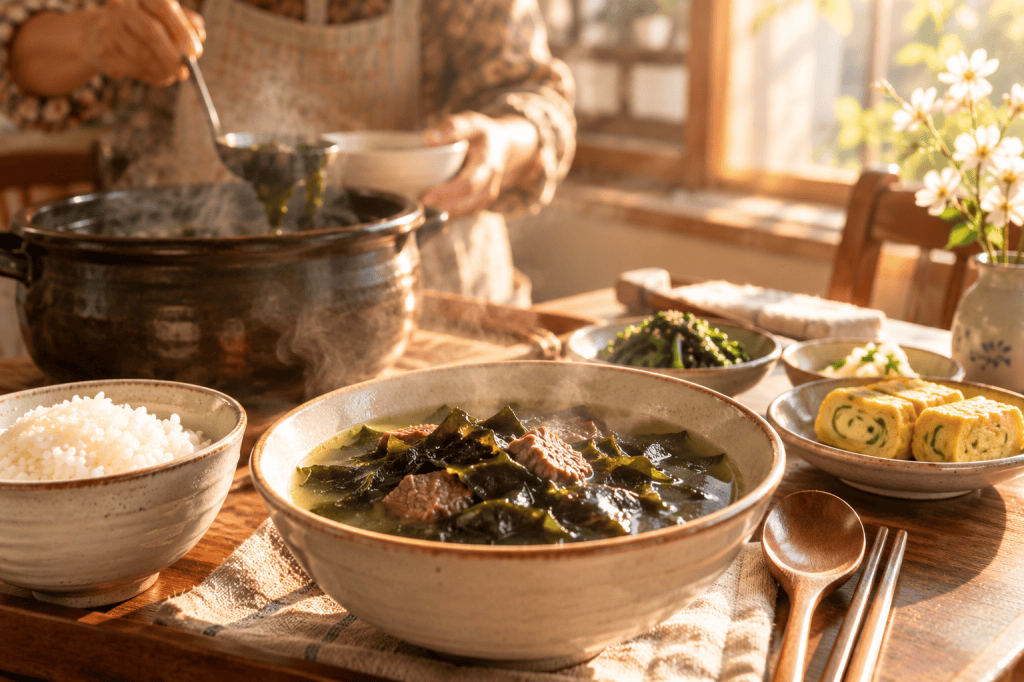
출산의 고통은 인간이 느낄 수 있는 가장 극심한 아픔 중 하나라고 합니다. 하지만 엄마들은 금방 잊어버립니다. 자신이 경험한 아픔보다 자식을 향한 사랑이 더 크다는 점입니다. 자신의 아팠던 기억을 기리는 대신, “내가 이만큼 아파서 너를 낳았지만, 그 아픔이 전혀 아깝지 않을 만큼 너는 소중한 존재란다.” 라는 언어 없는 고백을 매년 생일상 위의 미역국으로 건네는 셈입니다.
On the day I was born, the true protagonist—the one who endured the greatest pain and needed that warm bowl of seaweed soup most—was my mother. But as I grew older, I realized that on the morning of my birthday, the person opening the door and bringing in a hot bowl of seaweed soup was still my mother. Why do mothers continue to cook that soup—the one where they themselves should be the protagonist—for their children all these years?
그리고 묻습니다. 미역국 먹었니? 미역국 못 끓여줘서 미안하다고….
And then she asks, “Did you have your seaweed soup?” along with a soft apology, “I’m so sorry I couldn’t cook it for you today….”
생일날 너무도 당연하게 받아 먹었던 미역국의 의미로 보면 나의 것은 아니지만 그것을 통해 우리들은 다른 표현의 사랑과 축복을 받아온 것 같습니다.
Looking back at the true meaning of the seaweed soup we so naturally accepted on our birthdays, it may not have originally been meant for us. Yet, through it, we have received a profound form of love and blessing all along.
결국 미역국은 엄마들이 자식들에게 전하는 자신의 얘기가 아니라 축복을 건네는 사랑의 세레나데 같은 음식 같습니다.
In the end, seaweed soup is not a story mothers tell about themselves, but a warm serenade of love, offering blessings to their children.
그럼 다른 나라들도 우리의 미역국과 같이 엄마가 되는 날 어떤 회복의 음식들이 있을까? 나름의 이해를 돕는 정도로 알아 보았습니다.
This made me wonder: what kind of recovery foods do other cultures offer to honor the day a woman becomes a mother? Here is a gentle look into how different countries embrace and nourish new mothers in their own ways.
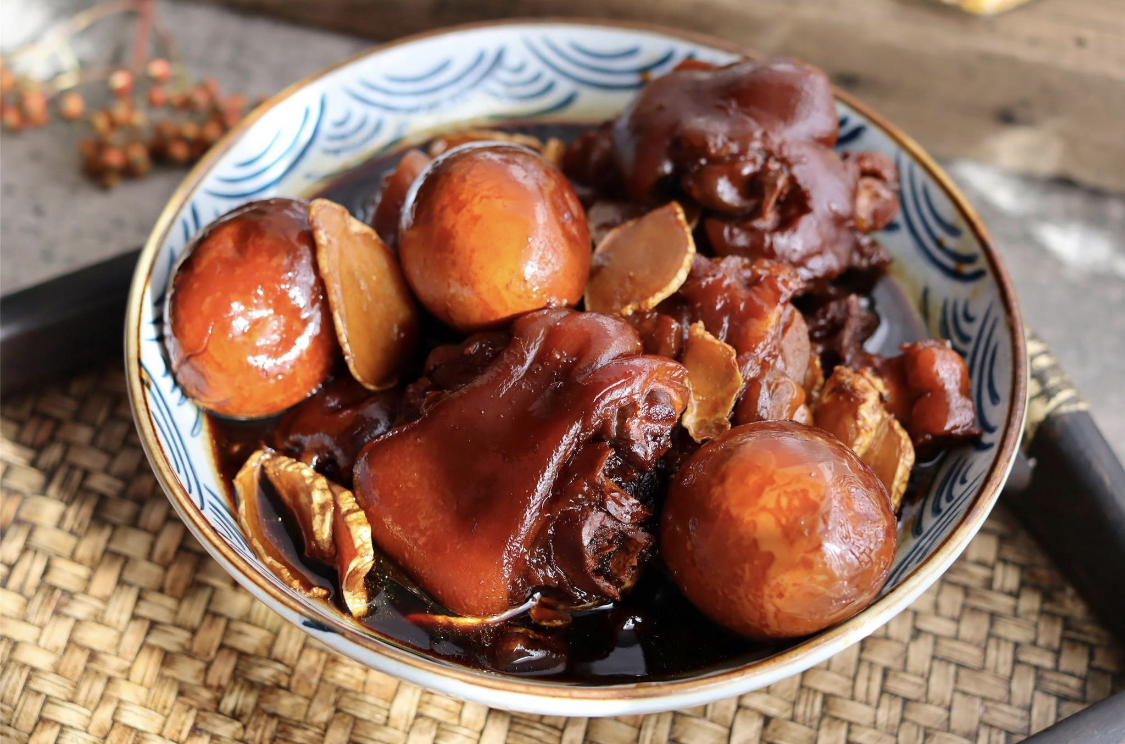
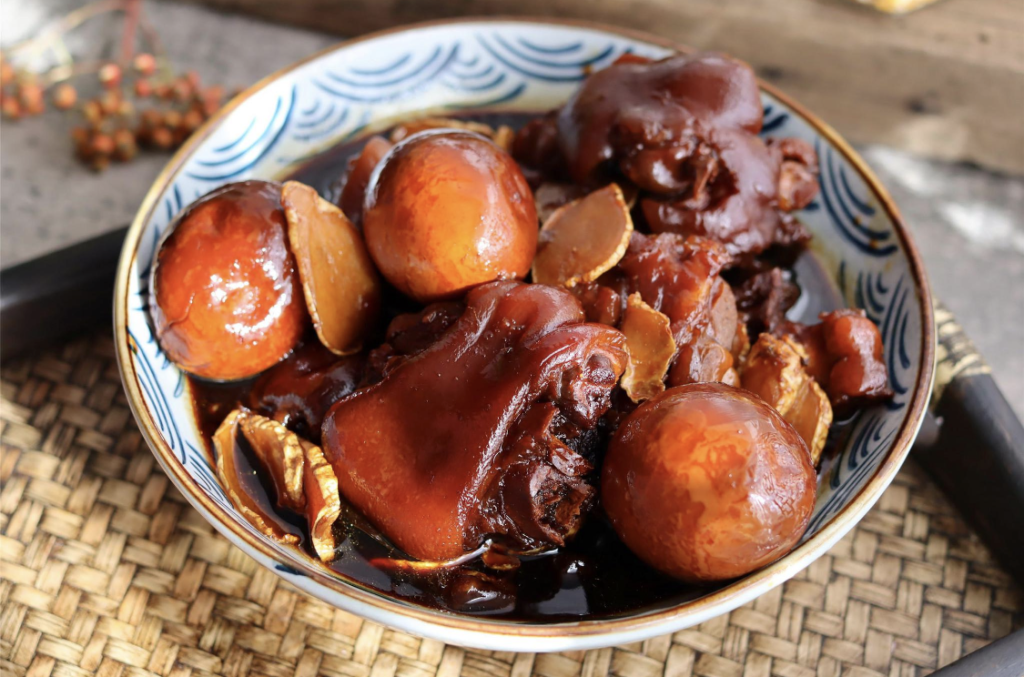
중국 (중화권) | 주작증족 (豬腳薑) 한 달간 엄격하게 몸을 보호하는 ‘좌월자(坐月子)’ 한 달 동안 달(月)을 앉아서(坐) 보낸다’는 뜻으로, 중국 및 중화권(대만, 홍콩 등)의 전통 산후조리 문화로 그 기간 동안 먹는 대표적인 음식입니다. 돼지족발과 늙은 생강, 흑초를 함께 푹 끓여내는데, 흑초 성분이 뼈의 칼슘과 콜라겐 흡수를 돕고 생강이 자궁의 어혈 배출과 체온 상승을 이끌어 줍니다.
China & Sinophone Regions | Pig’s Trotters in Black Vinegar and Ginger (豬腳薑)
“Zuo Yue Zi” (坐月子)—which translates to “sitting out the month”—is a traditional postpartum care custom in China and Sinophone regions like Taiwan and Hong Kong, where new mothers take extreme care to restore their bodies over the course of a full month. Pig’s Trotters in Black Vinegar and Ginger is the signature dish consumed during this period. Braised slowly with pig’s trotters, mature ginger, and black vinegar, the acidic vinegar helps draw out and maximize the absorption of calcium and collagen from the bones, while the warm ginger promotes the discharge of stagnant uterine blood and raises body temperature.
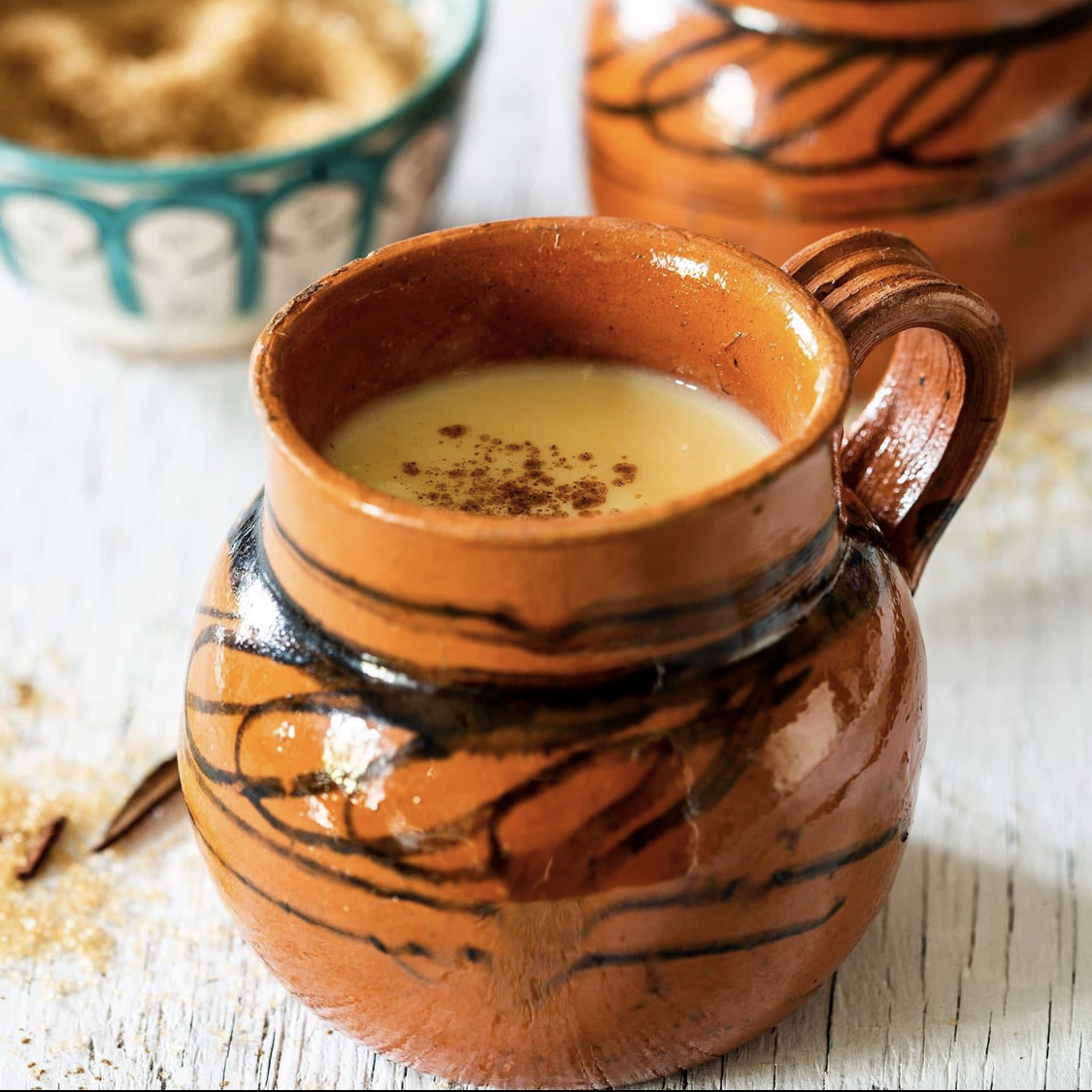
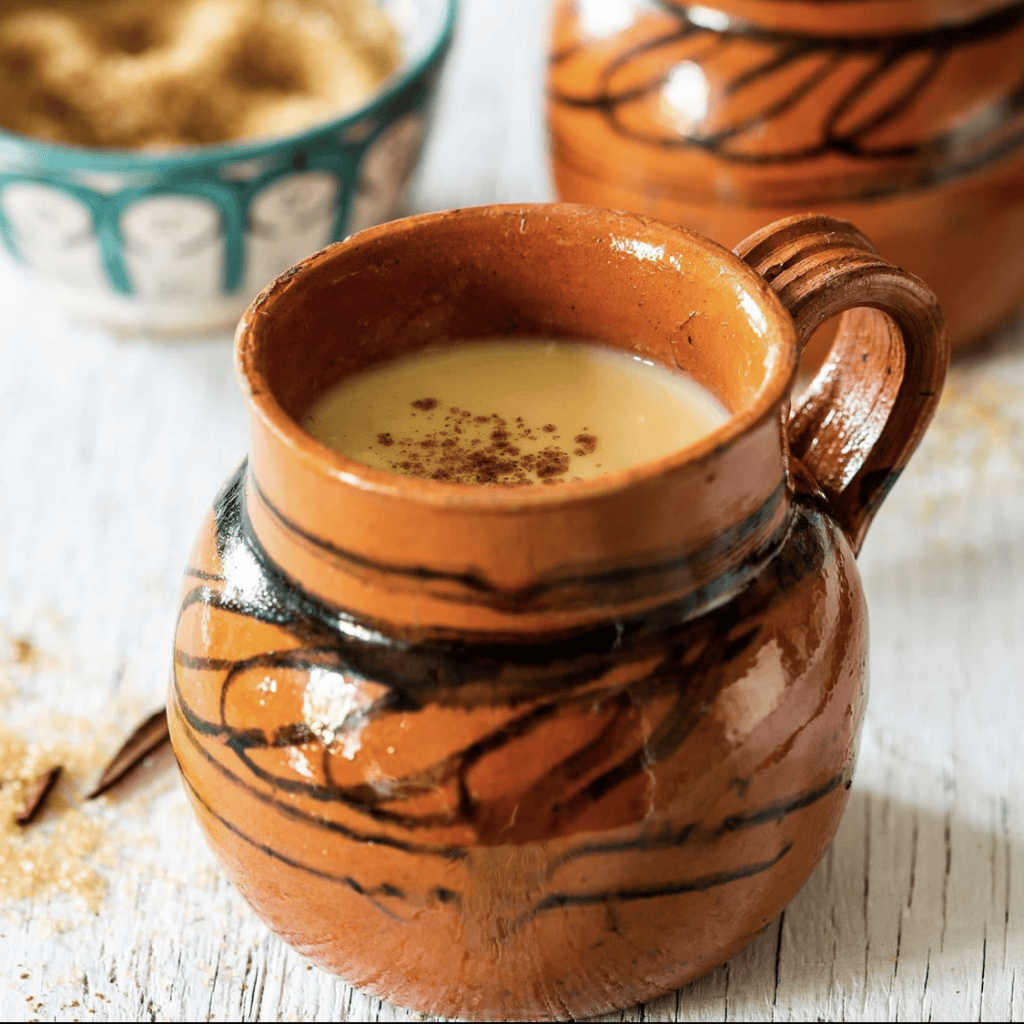
멕시코 & 라틴 아메리카 | 아톨레 (Atole) 옥수수나 귀리, 시나몬을 넣어 따뜻하고 부드럽게 끓여 마시는 곡물 음료입니다. 자극 없는 탄수화물이 출산 직후 떨어진 위장 기능을 보호하며 즉각적인 기력을 채워주고, 귀리와 시나몬 성분이 모유량을 늘리는 데 도움을 줍니다.
Mexico & Latin America | Atole
Atole is a warm, comforting grain beverage prepared by simmering ground corn or oats with cinnamon. Its gentle, easy-to-digest carbohydrates nourish the digestive system—which is often weakened immediately following childbirth—and quickly replenish lost physical energy, while the oats and cinnamon work together to support milk supply for lactation.
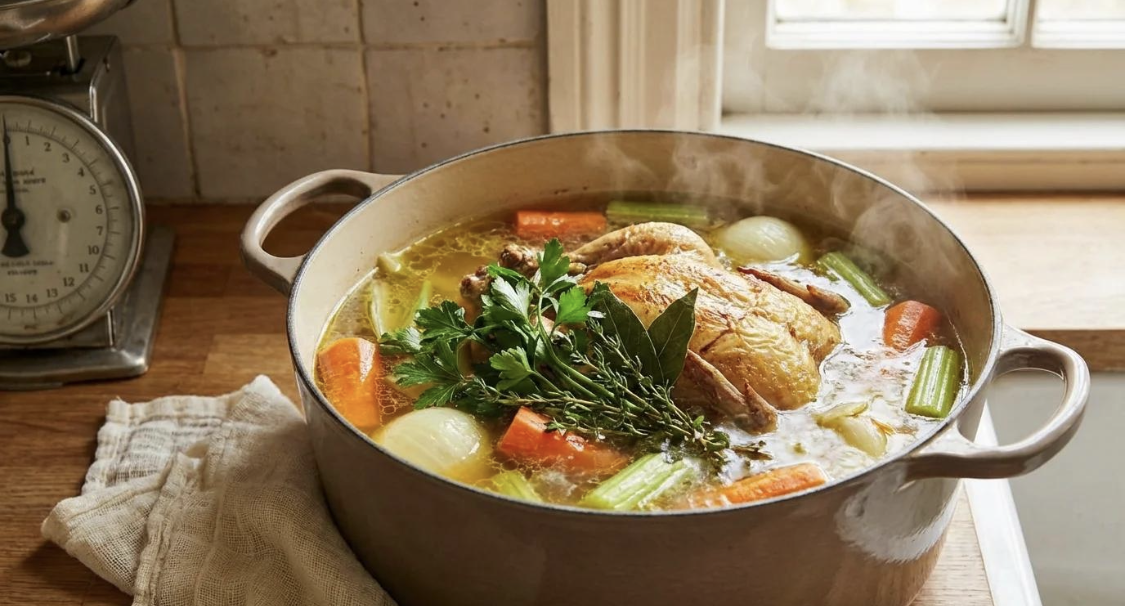
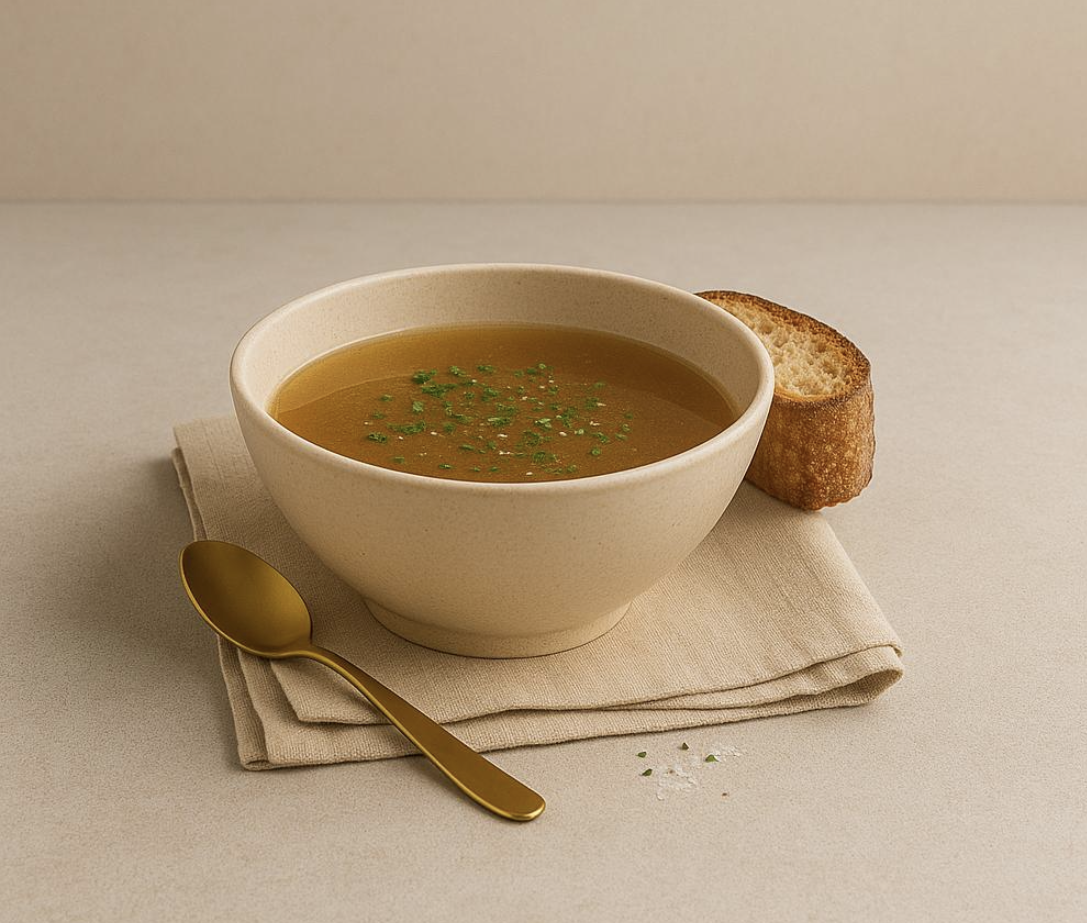
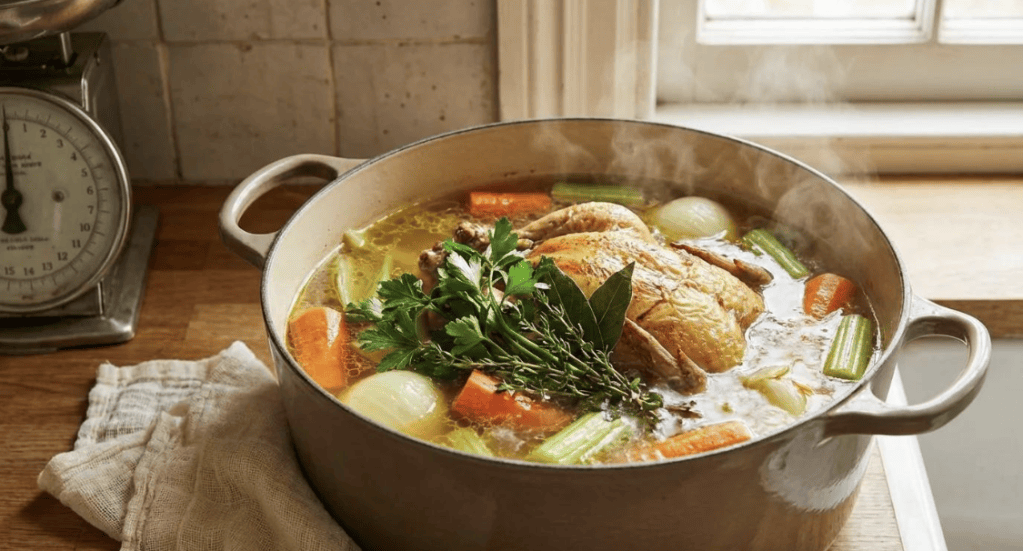
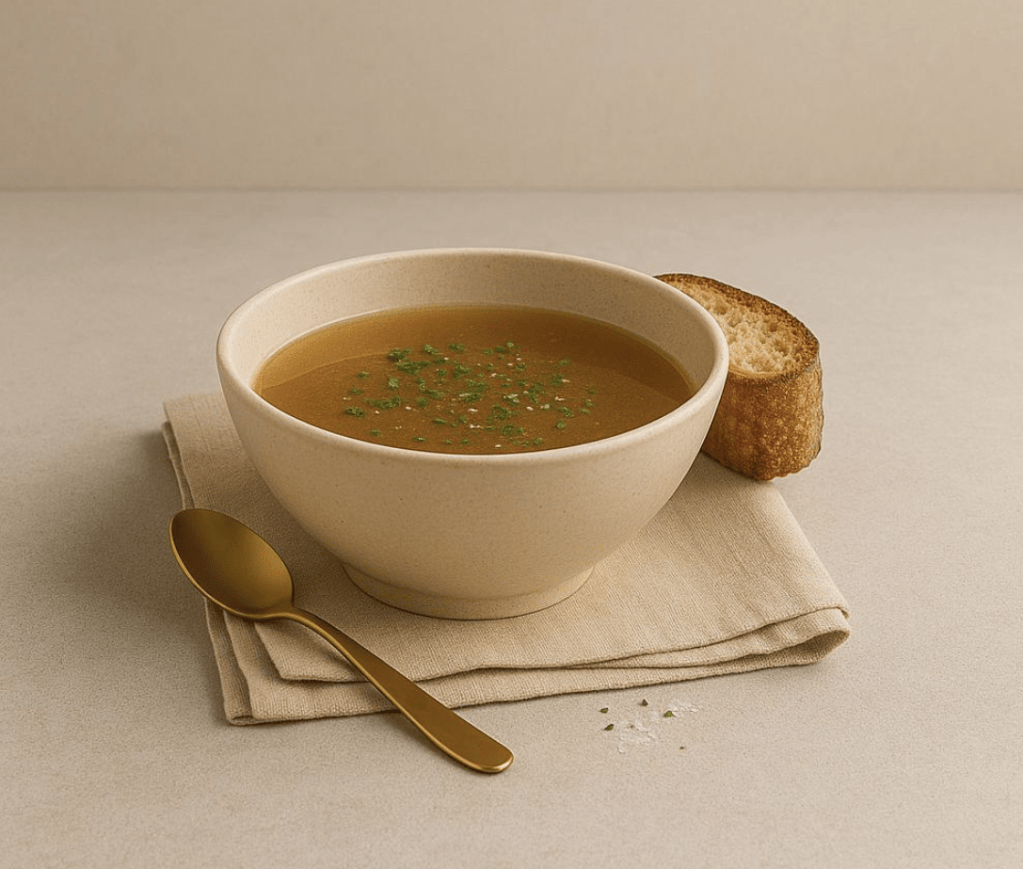
프랑스 | 부용 & 포토푀 (Bouillon de Volaille) 과도한 양념 대신 닭이나 소고기에 파슬리, 로즈마리, 당근, 샐러리, 샬롯을 넣고 맑게 고아낸 육수입니다. 출산 시 손실된 수분과 미네랄을 부담 없이 채워주며, 뼈와 관절에서 우러나온 글리신과 프로린 성분이 늘어난 관절 결합 조직의 회복을 돕습니다.
France | Bouillon & Pot-au-Feu (Bouillon de Volaille)
Rather than using heavy seasonings, this clear broth is made by gently simmering chicken or beef with parsley, rosemary, carrots, celery, and shallots. It effortlessly replenishes the fluids and minerals lost during childbirth, while the glycine and proline extracted from the bones support the recovery of connective tissues stretched in the joints.
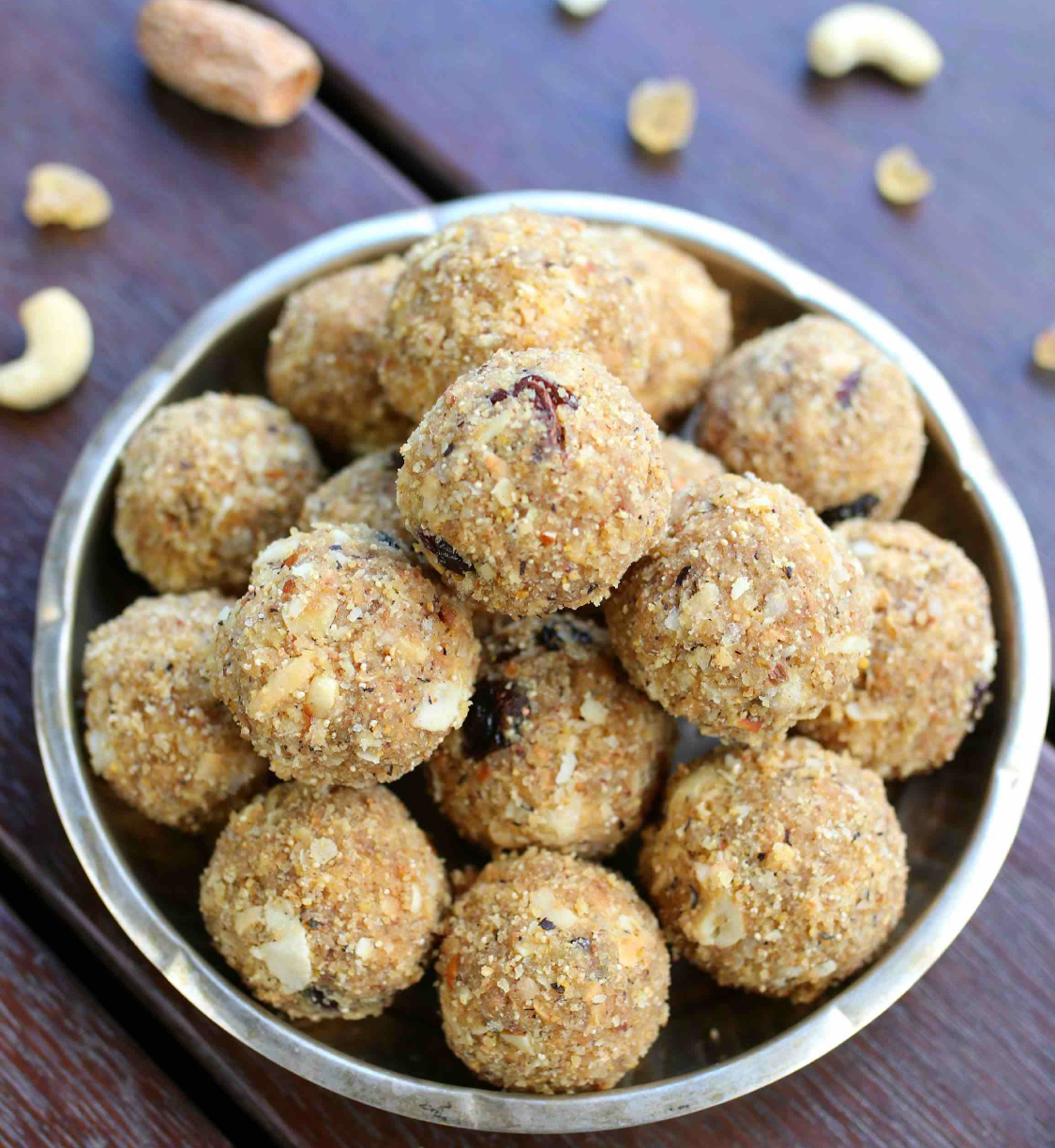
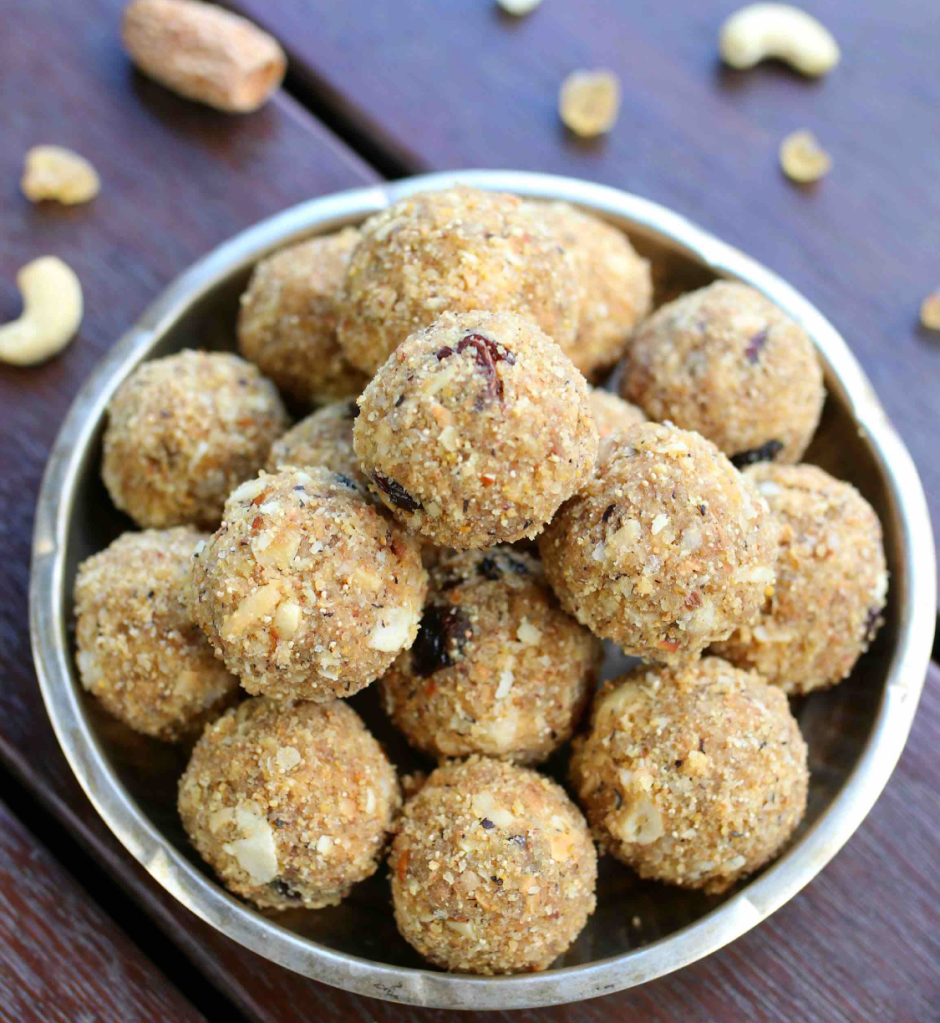
인도 | 한두 라두 (Laddoo), ‘자파(Jappa)’라 불리는 40일간의 회복 기간 동안 산모의 기력을 높여주는 고칼로리 영양식입니다. 기 버터(Ghee)에 통밀가루와 견과류, 페누그릭, 식용 고무(Gond)를 볶아 만드는데, 페누그릭은 모유 유도를 돕고 기 버터와 식용 고무는 떨어진 체력 보충과 관절 강화에 기여합니다.
India | Gond Laddu (Gond ke Laddu)
During the 40-day postpartum recovery period known as Jaapa, new mothers consume these high-calorie, nutrient-dense balls to restore their strength. Made by roasting whole wheat flour, nuts, fenugreek, and edible gum (gond) in rich ghee, the fenugreek promotes milk production while the ghee and edible gum replenish depleted physical energy and help strengthen joints.
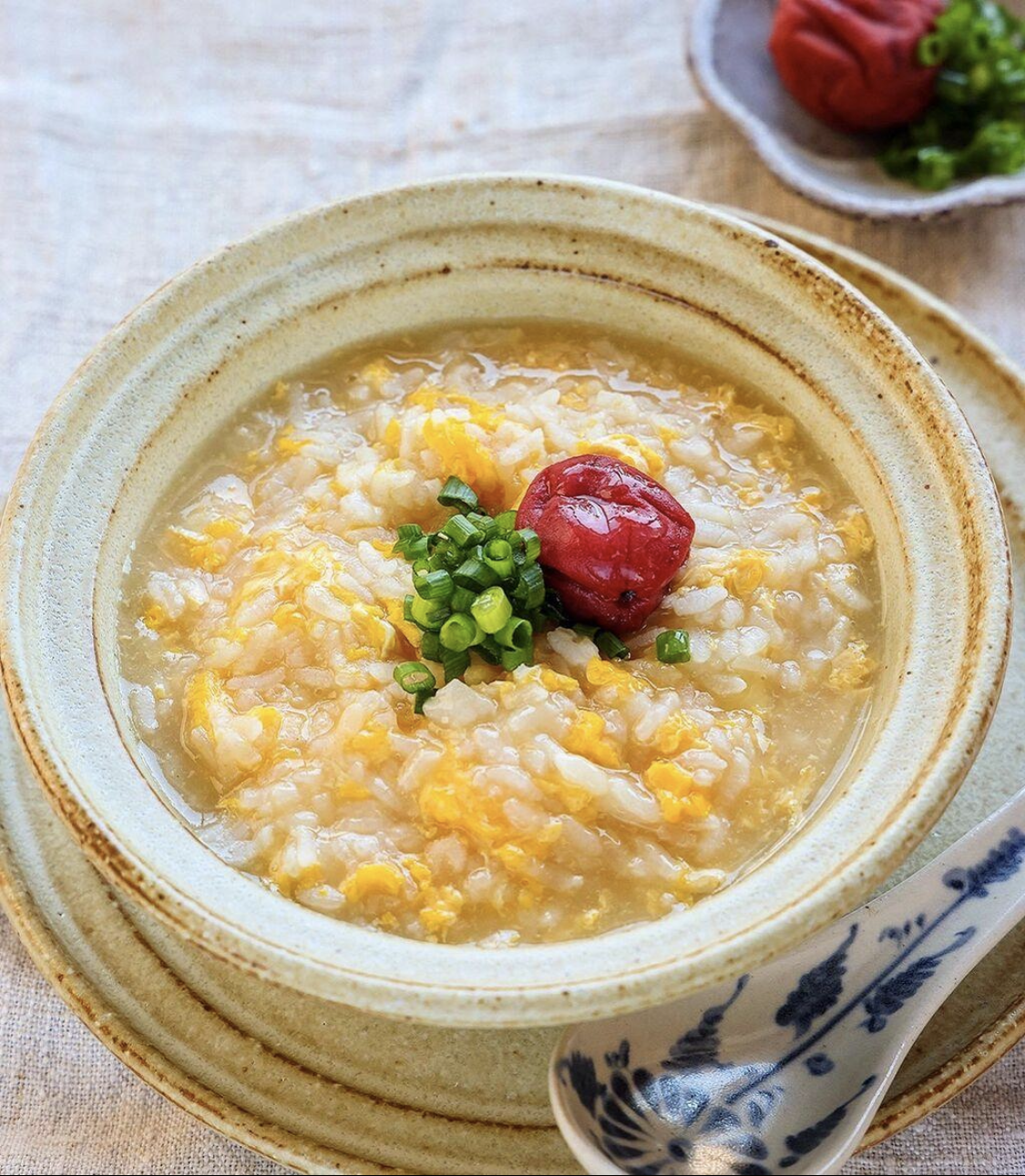
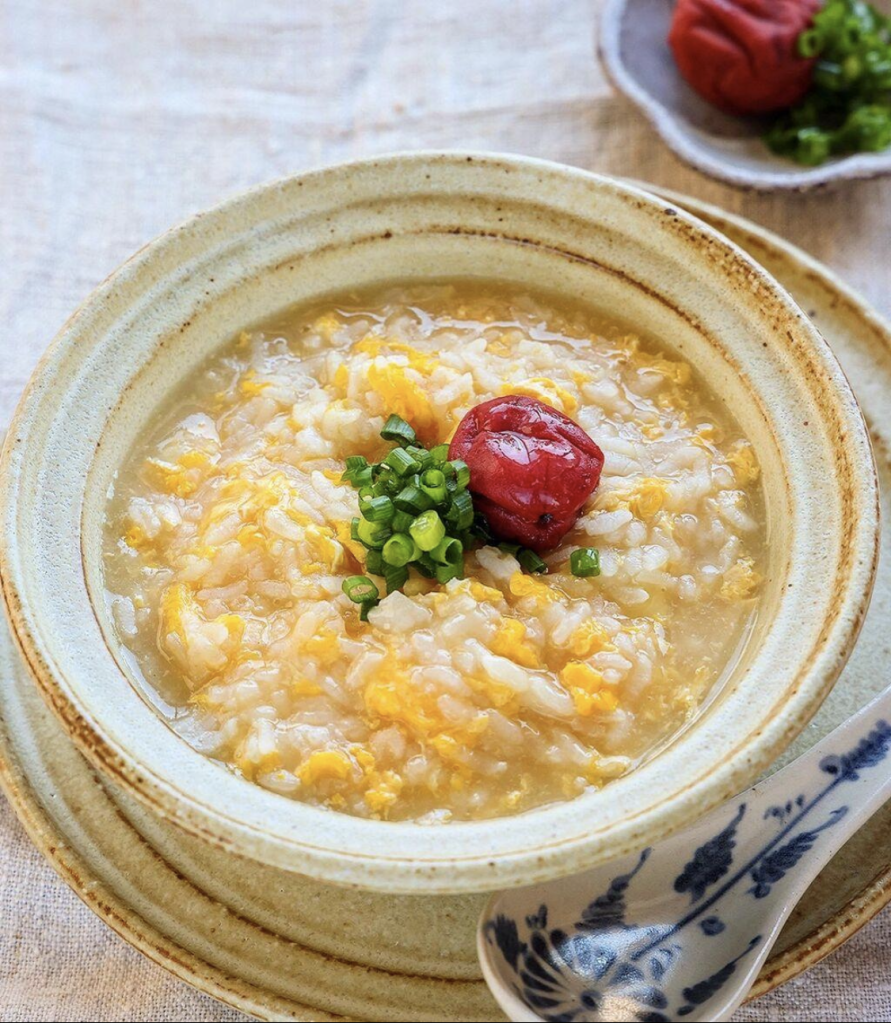
일본 | 오카유 & 타마고자케 쌀죽(오카유)과 우메보시, 계란, 따뜻한 미소시루처럼 위장에 부담을 주지 않는 소화하기 쉬운 식단 중심입니다. 우메보시의 구엔산 성분이 피로를 해소하고 자율신경계를 조절하며, 부드러운 계란과 미소가 혈액 재구성에 필요한 미네랄과 단백질을 보충해 줍니다.
Japan | Okayu & Tamagozake
This regimen focuses on gentle, easily digestible foods that do not burden the stomach, such as rice porridge (okayu), umeboshi (pickled plums), eggs, and warm miso soup. The citric acid in umeboshi helps relieve fatigue and balance the autonomic nervous system, while the soft eggs and miso replenish essential minerals and proteins vital for blood rebuilding.
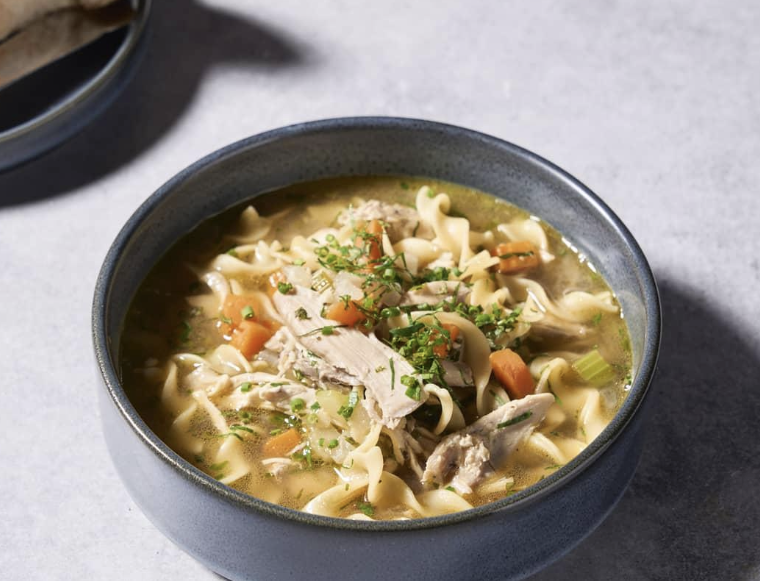
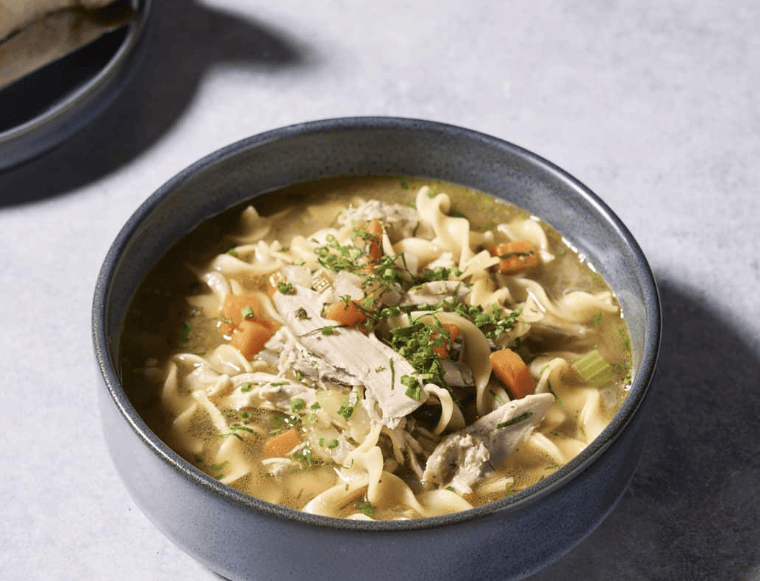
북미 | 본 브로스, 오트밀 쿠키, 치킨 누들 스프 & 밀 트레인 소나 닭 뼈를 사과식초와 24시간 이상 고아낸 본 브로스로 콜라겐과 미네랄을 채우고, 귀리와 아마씨를 넣은 쿠키로 수유를 도우며 따뜻한 치킨 누들 스프를 즐겨 먹습니다. 또한 ‘밀 트레인(Meal Train)’이라는 독특한 돌봄 문화를 통해 이웃과 친구들이 스케줄을 짜서 산모가 휴식과 수유에만 전념할 수 있도록 매일 따뜻한 홈메이드 요리를 직접 전달합니다.
North America | Bone Broth, Oatmeal Cookies, Chicken Noodle Soup & Meal Train
Bone broth—simmered for over 24 hours from beef or chicken bones with a splash of apple cider vinegar—replenishes essential collagen and minerals, while cookies packed with oats and flaxseed encourage lactation, and warm chicken noodle soup provides comforting nourishment. Furthermore, through a unique caregiving tradition known as the Meal Train, friends, family, and neighbors coordinate a schedule to deliver fresh, hot homemade meals to the family every day, allowing the new mother to focus entirely on rest and nursing.
각 나라와 문화에 따라 모습과 음식은 달라도, 탄생이라는 숭고한 결실 뒤에는 늘 산모의 몸과 마음을 회복 시키고 보듬는 ‘돌봄의 음식’이 존재해 왔습니다.
Though the forms and dishes vary across countries and cultures, behind the sacred realization of new life there has always existed a “food of care”—one that restores and embraces both the body and mind of a new mother.
내가 축하받는 ‘나의 생일’을 넘어, 그날의 수고와 사랑을 견뎌낸 ‘엄마를 기억하고 감사하는 날’로 되새겨봅니다.
Beyond “my birthday” as a day for receiving celebration, I hold this day close as a time to remember and give thanks to my mother, who endured all the labor and love of that moment.
나를 위해 차려진 밥상이 아닌, 엄마의 고단했던 마음에 바치는 따뜻한 한 그릇의 국으로 이 마음이 전해지길 바랍니다.
Rather than a meal set for myself, I hope this quiet heart reaches her—delivered through a warm bowl of soup dedicated to the weary, loving heart of my mother.

Leave a comment