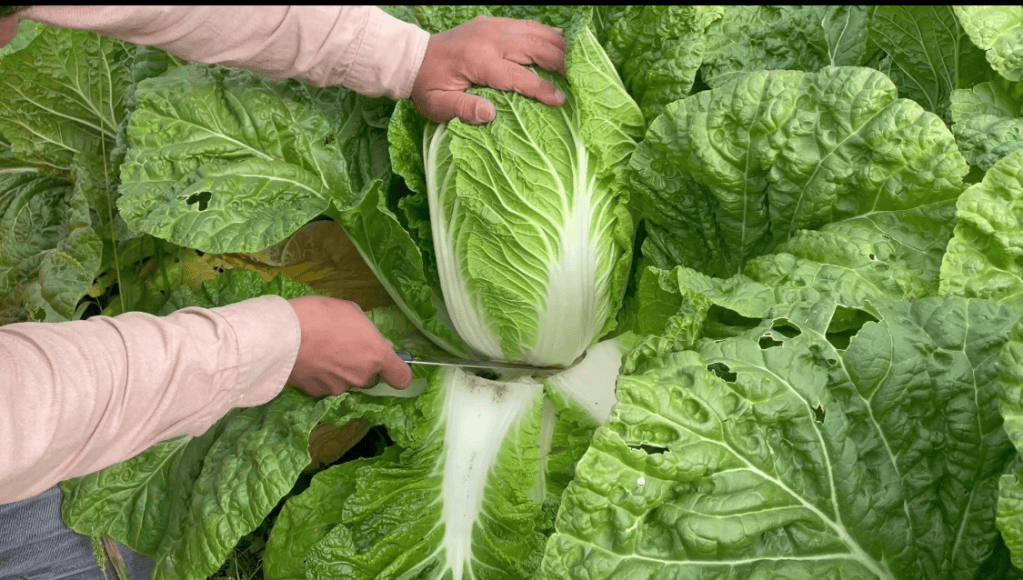
우리가 흔히 식탁에 오르는 음식들을 마주하면서 그 음식이 우리의 식탁에 오르기까지의 수고와 과정에 감사함을 가져야 한다고 배웠고 우리 아이들에게 밥상머리 교육으로 가르쳐 왔었습니다.
어릴때는 그것을 왜 감사해야 하는지 몰랐고 돈 주고 사왔는데 왜 감사해야 하는지 이해가 되지않았습니다. 엄마가 되고 아이들에게 나 자신은 감사를 모르면서 아이들에게 가르치는 교육 법으로만 사용했고 알려 주었습니다. 김치를 만들어 오면서, 외국에 살게되면서, 한국에서는 너무도 구하기 쉽고 흔한 식재료들을 어렵게 찾아야 하는 때가 있었습니다. 배추가 그 중의 하나의 재료였습니다.
Growing up, we were taught to be grateful for the food on our tables and the hard work that brought it there—a lesson we, in turn, passed on to our own children at mealtime.
When I was young, though, I couldn’t understand why I needed to feel thankful. After all, we paid for it with money, so the concept of gratitude didn’t quite make sense to me. Even after becoming a mother, I found myself teaching this to my children merely as a habit or a lesson, without fully feeling that gratitude in my own heart.
It was only as I began making Kimchi myself and living abroad that things changed. There were times when I had to go to great lengths just to find ingredients that were so common and easy to get back home in Korea. Napa cabbage was one of those very ingredients.
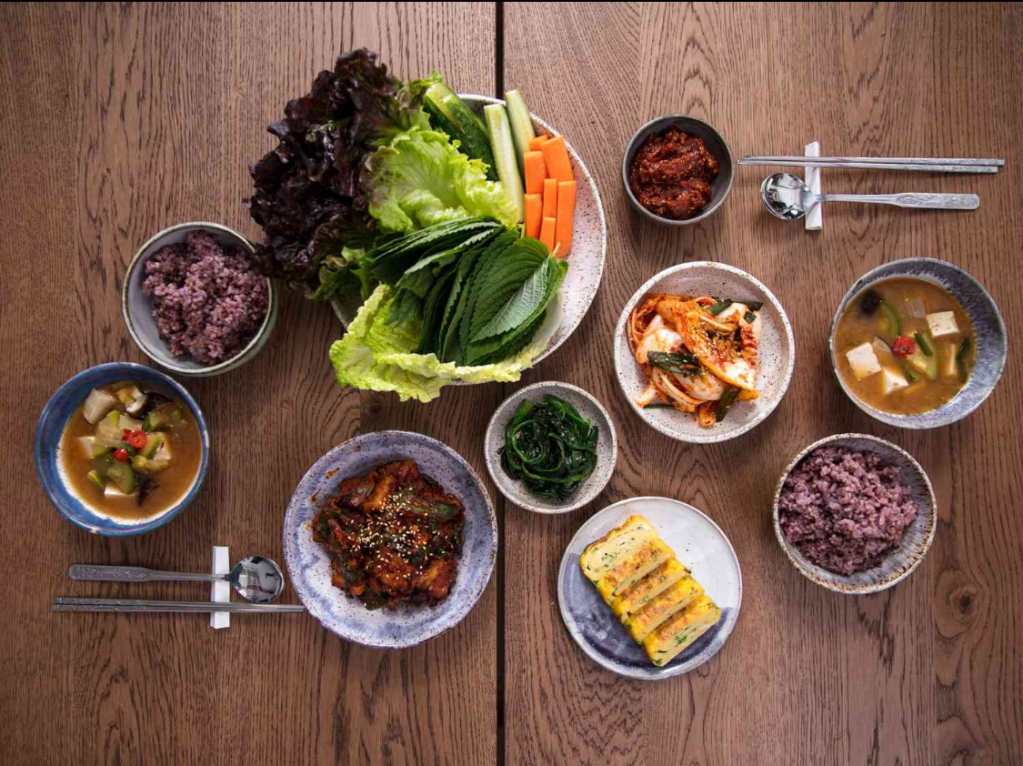
지금은 어느 마트를 가도 김치가 있습니다. 따로 배추를 사지 않아도 김치를 먹을 수 있게 된 것에 기쁩니다. 그렇지만 예전에는 김치를 담는 배추를 사러 왕복4시간을 가서 또는 그 이상의 시간을 들여서 사와야 하는 재료 중의 하나 였다고 합니다. 그 먼 거리를 가야만 했었어도 포기 할수 없었던 이유는 김치 때문이였습니다. 저는 다행이 그런 경험은 없습니다.
These days, you can find Kimchi in almost any grocery store. I am so glad that we can enjoy Kimchi without having to buy Napa cabbage and make it from scratch. However, I’ve heard that in the past, cabbage was an ingredient people had to travel four hours round-trip—or even longer—just to buy. Yet, no matter how far they had to go, they couldn’t give up on it, all because of Kimchi. Fortunately, I never had to go through that myself.
참 멀리도 와서 살고 있는데 요즘처럼 이렇게 쉽게 구해지는 식 재료들로 마음껏 만들어 먹는 음식을 대할 때 이 재료들을 우리의 식탁까지 오게 된 그 과정과 수고에 감사가 나온다. 이제서야 진정한 감사를 배운 것 같다.
Living so far away from home, whenever I enjoy meals made freely with ingredients that are now so easily accessible, I feel a deep sense of gratitude for all the hard work and effort that brought them to our table. I feel as though I am finally learning what true gratitude really means.
배추는 김치의 재료입니다. 김치에 넣어도 되고 안 넣어도 되는 수많은 재료 중 하나가 아닙니다. 만약 배추라는 존재가 없었다면 과연 지금의 김치가 있을 수 있었을까요? 당연하게만 생각했던 배추를 떠올리며 문득 엉뚱한 생각에 웃음이 나왔습니다.
Napa cabbage is the core ingredient of Kimchi—not just one of many optional ingredients you can choose to include or leave out. It made me wonder: if Napa cabbage didn’t exist, would Kimchi as we know it today even exist? Thinking about cabbage, something I had always taken for granted, brought a sudden, silly thought to mind and made me smile.
Name is… 배추?
여기서는 배추를 배추라 부를 수 없었습니다. 배추에는 나라 별로 불리는 이름이 있었습니다.
캐나다와 미국에서는 우리가 아는 속이 꽉찬 배추를 부를 때 Napa Cabbage 라고 부릅니다. 일본어 나파(菜葉) 뜻은 “푸른잎채소” 에서 유래된 식재료 명이라고 하는데, 박스에도 Napa Cabbage 라 쓰여있어 나는 미국의 나파 밸리(Napa Valley)지역 이름인 줄 알았습니다. 아마도 많은 사람들도 나파 지역에서 재배된 배추로 알고 있지 않을까 생각합니다.
Name is… Napa Cabbage?
Here, I couldn’t just call Napa cabbage by its Korean name, Baechu. It turned out that this vegetable goes by different names around the world.
In Canada and the U.S., the firm, tightly packed cabbage we know so well is called “Napa Cabbage.” The name “Napa” comes from the Japanese word napa (菜葉), which means “leafy greens.” But when I first saw “Napa Cabbage” printed on the boxes, I thought it was named after Napa Valley in California. I imagine many other people might also assume it refers to cabbage grown in the Napa region.
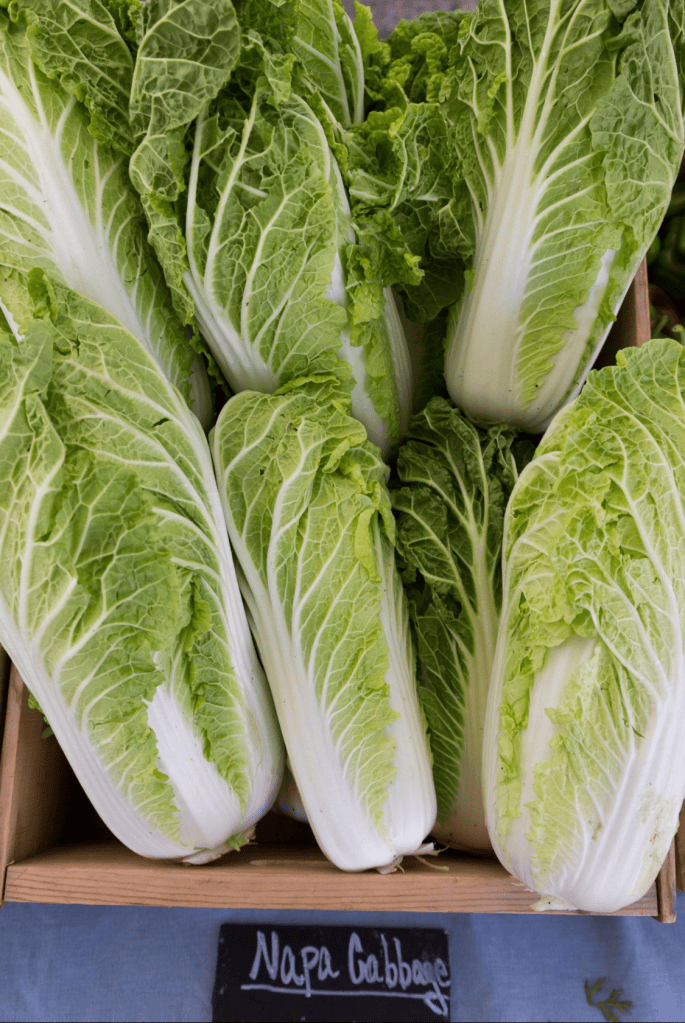
영국이나 유럽 지역에서는 Chi’nese Cabbage / Chinese Leaves 로 불리는데, 중국,아시아계 배추 종류를 부르는 명칭이라고 합니다.
In the UK and Europe, it is often called “Chinese Cabbage” or “Chinese Leaves,” which is a general name used to refer to various Chinese and Asian cabbage varieties.
최근에는 김치가 알려지면서 Korean Cabbage 로 명확하게 표기된 곳도 있고 김치를 만드는 배추로 알고 있는 것 같습니다. 마트에 배추를 사러가서 계산을 할때 아는 사람은 김치 만들거야? 라고 묻기도 합니다.
Recently, with Kimchi gaining popularity, I’ve seen it clearly labeled as “Korean Cabbage” in some places, and more people seem to recognize it as the cabbage used for making Kimchi. When I go to the grocery store to buy Napa cabbage, cashiers who recognize it sometimes even ask, “Are you making Kimchi?”
중국에서는 大白菜 Dàbáicài / 다바이차이, 그리고 잎이 덜 뭉쳐진 어린 배추나 청경채류를 小白菜 Xiǎobáicài / 샤오바이차이 라고 명칭한다고 합니다.
In China, it is called Dàbáicài (大白菜), while younger cabbage with looser leaves or varieties like bok choy are referred to as Xiǎobáicài (小白菜).
일본에서는 하쿠사이 (ハクサイ / 白菜) 한자 ‘백채’를 그대로 읽은 명칭으로, 김치나 나베 요리에 쓰는 배추를 뜻합니다.
In Japan, it is called Hakusai (ハクサイ / 白菜), which is the Japanese reading of the Chinese characters for “white cabbage,” and refers to the cabbage used in Kimchi or hot pot (nabe) dishes.
프랑스에서는 Chou chinois /슈 시누아 중국 양배추라는 뜻으로 불리며, Chou de Pékin /슈 드 페캥 베이징 양배추라는 이름으로도 불린다고 합니다.
In France, it is called Chou chinois, meaning “Chinese cabbage,” and is also known as Chou de Pékin, which translates to “Peking cabbage.”
독일에서는 Chinakohl /치나콜 중국 양배추라는 뜻으로 불립니다.
In Germany, it is called Chinakohl, which means “Chinese cabbage.”
스페인은 Col china /콜 치나 또는 Repollo chino 레포요 치노 중국 양배추로 불립니다.
In Spain, it is called Col china or Repollo chino, both of which translate to “Chinese cabbage.”
왜 이렇게 중국 양배추로 불릴까요?
배추의 실제 원산지가 중국 북부 지역 이였기 때문 입니다. 명나라 시절 중국에서 야생 채소들이 교배 되면서 지금의 배추의 형태가 되었다고 합니다. 19세기 서양에 처음 소개되었을 때 서양에는 아시아 형태의 배추가 없었고, 둥글고 단단한 양배추/Cabbage만 있었다고 합니다.
서양에 배추가 처음 소개되었을 때, 잎이 겹겹이 싸여있는 구조가 양배추와 비슷하다고 느껴 중국에서 온 길쭉한 양배추라는 의미로 Chinese Cabbage 프랑스어 Chou chinois/슈 시누아 , 독일어 Chinakohl/치나콜 이라는 직관적인 이름을 붙인 것입니다.
Why is it called “Chinese Cabbage”?
This is because the actual origin of Napa cabbage is Northern China. During the Ming Dynasty, wild vegetables in China were crossbred, giving rise to the cabbage shape we know today. When it was first introduced to the West in the 19th century, Western countries did not have this Asian style of cabbage—they only had round, firm heads of cabbage.
When cabbage was first introduced to the West, people felt its layered leaf structure was similar to that of standard cabbage. As a result, they gave it intuitive names meaning “an elongated cabbage from China”—such as “Chinese Cabbage” in English, Chou chinois in French, and Chinakohl in German.
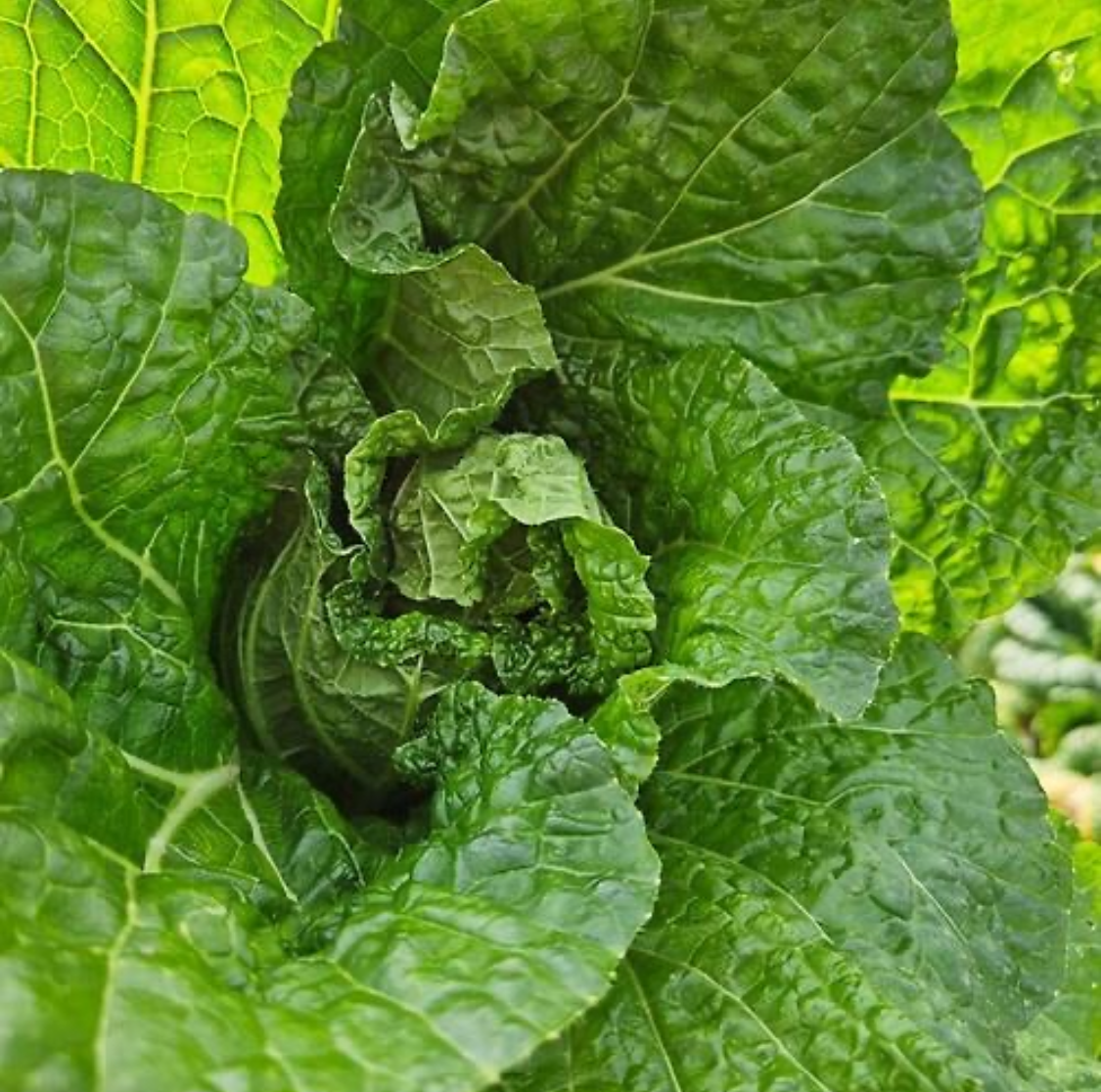
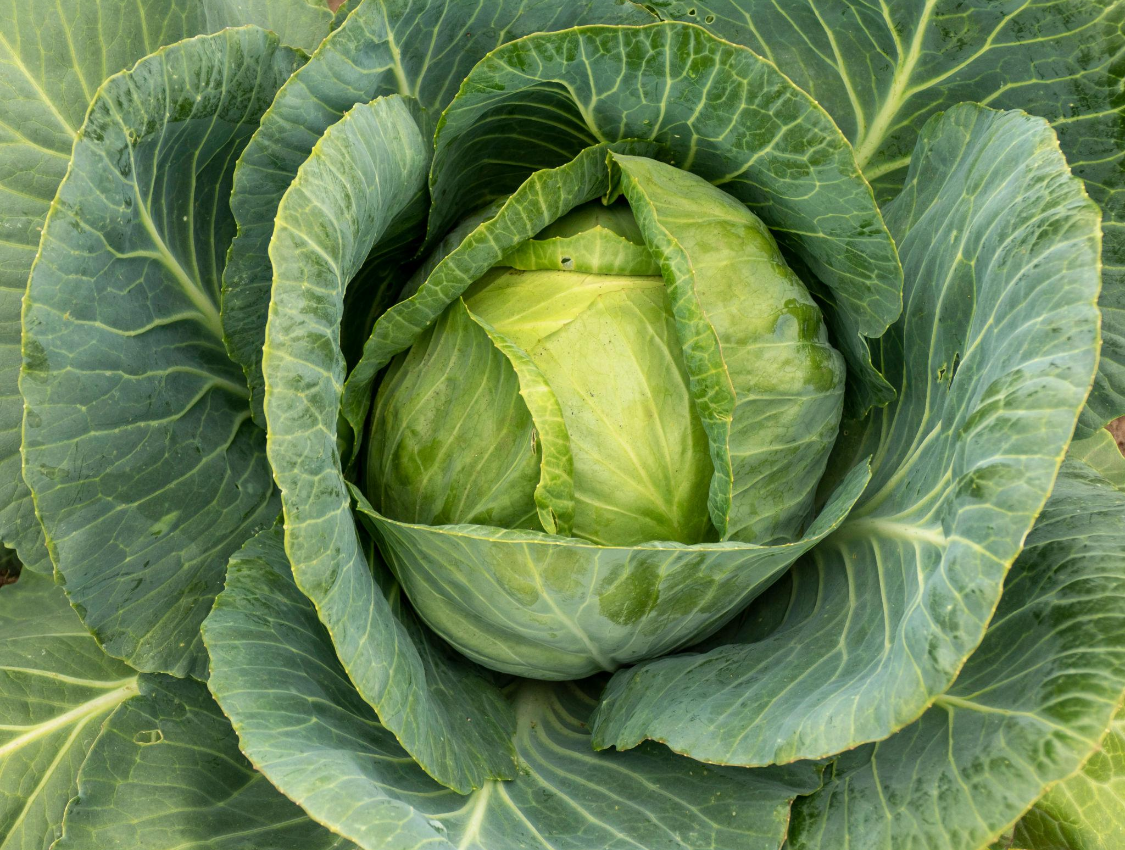
한국인에게 김치는 밥상에서 결코 빠질 수 없는 소울푸드이자 정체성과도 같습니다. 그만큼 김치의 핵심인 배추 역시 우리에게 아주 특별한 식재료 입니다. 그렇다면 다른 나라에서도 배추가 우리만큼 중요한 식재료일까요?
모습과 조리법은 달라도 배추는 전 세계 여러 나라의 식탁 위에서 저마다의 방식으로 사용되고 있다고 합니다.
For Koreans, Kimchi is more than just food; it is an indispensable soul food and a core part of our identity. Naturally, Napa cabbage—the main ingredient of Kimchi—holds a very special place in our hearts. But is cabbage just as important of an ingredient in other countries as it is for us?
Though its appearance and cooking methods may vary, Napa cabbage is enjoyed in its own unique ways on dining tables all around the world.
Napa Cabbage로 부르는 미국과 캐나다에서는
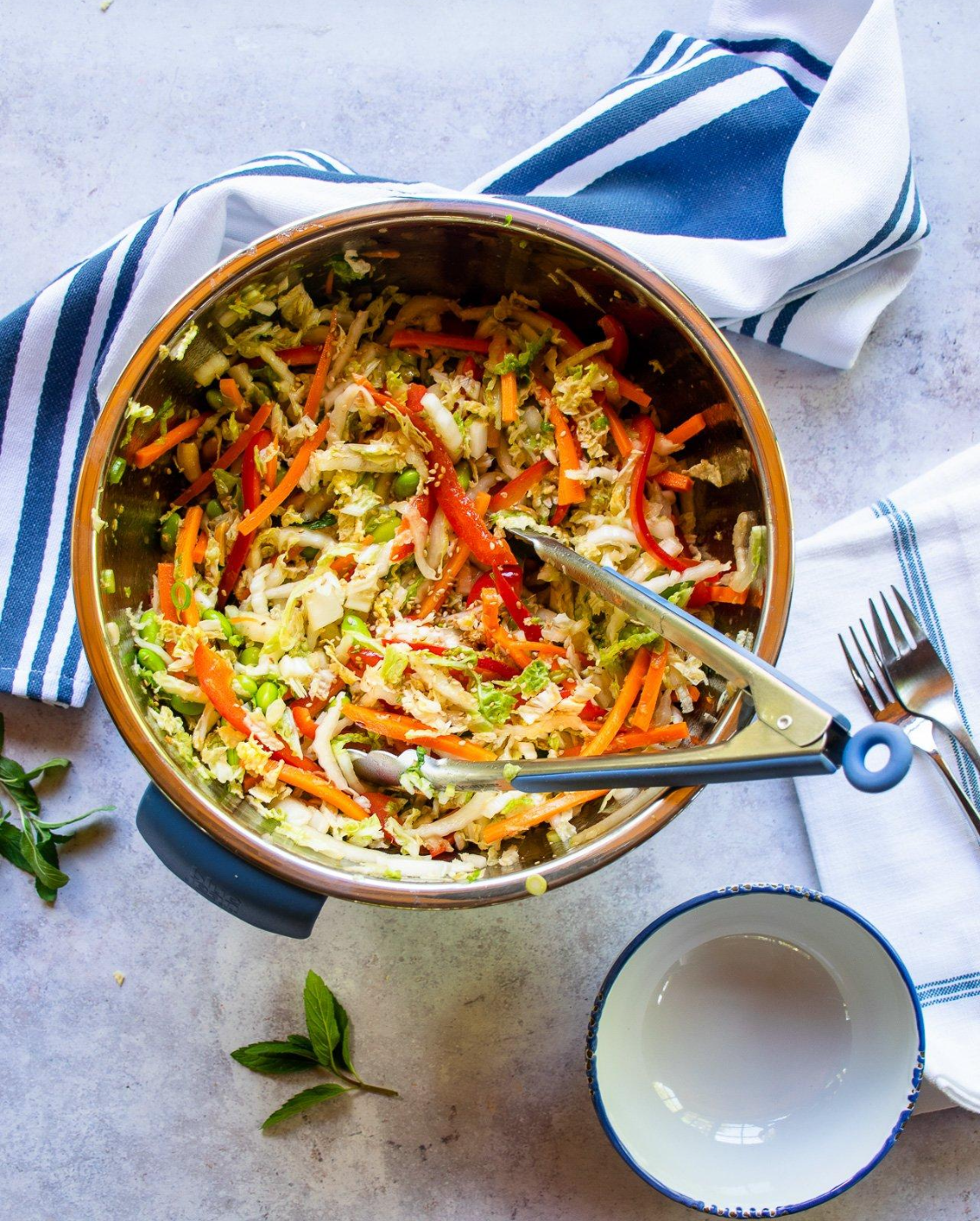
얇게 썬 배추를 사용해 코울슬로 스타일로 만든 샐러드 슬로(Asian Cabbage Slaw)가 있습니다. 참기름, 간장, 식초 드레싱과 아몬드, 깨 등을 곁들여 아삭한 식감으로 고기 요리에 곁들여 먹는다고 합니다.
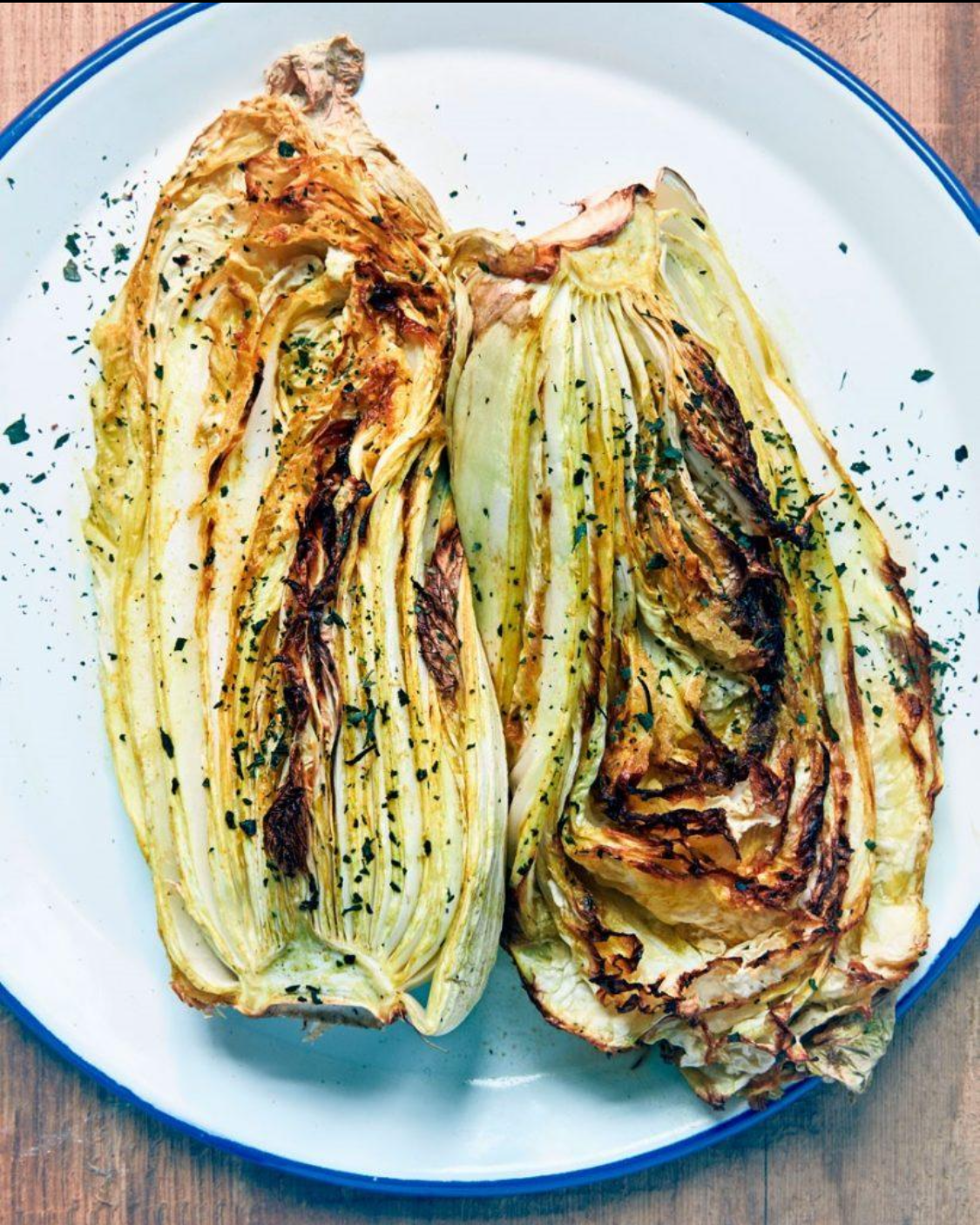
배추를 통째로 길게 자른 뒤 올리브오일, 소금, 후추, 버터를 발라 오븐에 노릇하게 구워내는 배추 로스트(Roasted Napa Cabbage) 서양식 채소 요리가 있습니다. 배추 특유의 은은한 단맛을 즐기는 요리 입니다.
In the U.S. and Canada, Where It Is Called Napa Cabbage
There is Asian Cabbage Slaw, a coleslaw-style salad made with thinly sliced Napa cabbage. Dressed with sesame oil, soy sauce, and vinegar, and topped with almonds and sesame seeds, its crisp texture pairs wonderfully as a side for meat dishes.
Another dish is Roasted Napa Cabbage, a Western-style vegetable dish where the cabbage is cut into long wedges, brushed with olive oil, salt, pepper, and butter, and roasted in the oven until golden brown. It is a wonderful way to enjoy the subtle, natural sweetness of Napa cabbage.
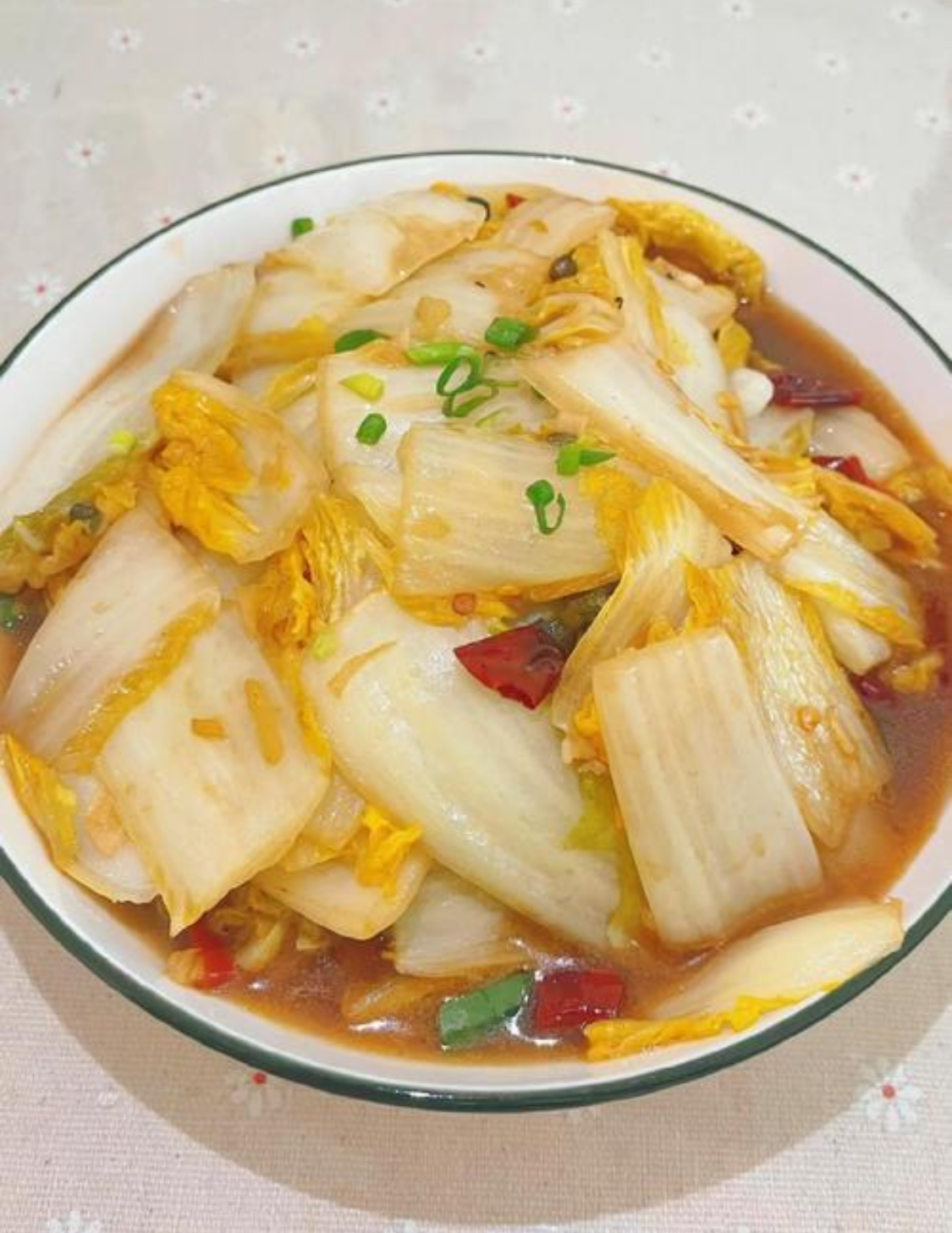
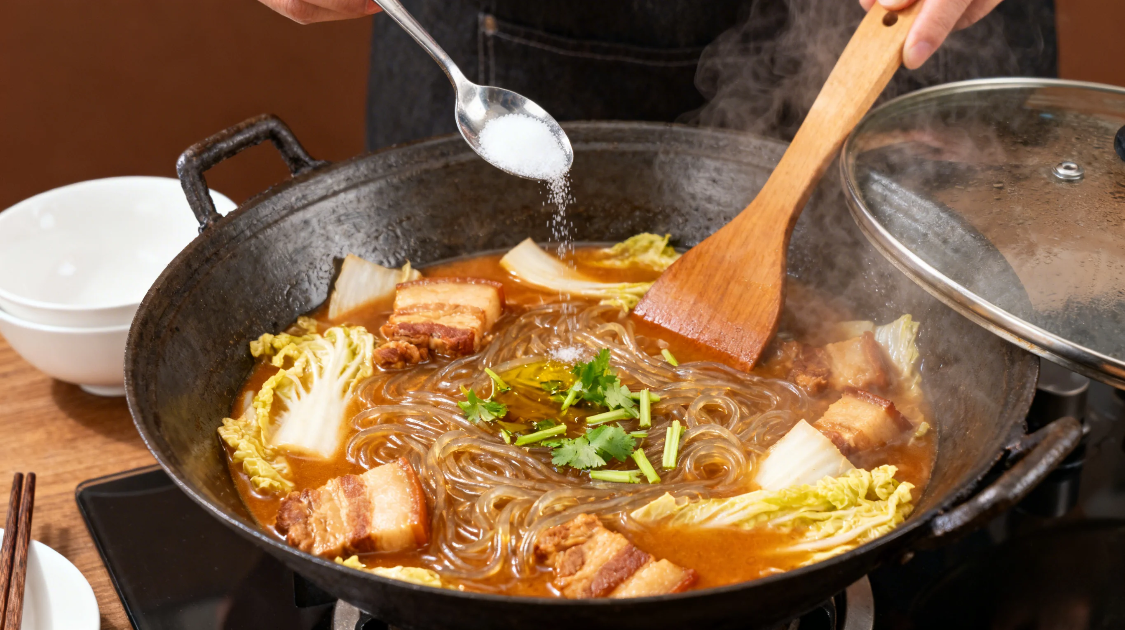
배추를 大白菜 – 다바이차이 로 부르는 중국에는 얇게 썬 배추를 센 불에 빠르게 볶아내면서 식초와 간장, 고추로 새콤달콤하고 알싸한 맛을 내는 중국 가정식 볶음 요리중 하나인 배추 탕수/볶음 (醋溜白菜 – 초류백채)이 있고, 배추, 돼지고기, 중국 당면을 함께 넣고 자작하게 끓여내는 대표적인 북방 지역의 따뜻한 냄비 요리 백채돈육당면나베 (豬肉白菜燉粉條 – 저육백채돈분조) 요리가 있습니다.
In China, Where Cabbage Is Called Dàbáicài (大白菜)
There is Sweet and Sour Stir-Fried Cabbage (Cùliū báicài – 醋溜白菜), a popular Chinese home-style dish made by quickly stir-frying thinly sliced cabbage over high heat with vinegar, soy sauce, and chili peppers for a delightful balance of tangy, sweet, and spicy flavors.
Another staple is Stewed Pork with Cabbage and Glass Noodles (Zhūròu báicài dùn fěntiáo – 豬肉白菜燉粉條), a comforting, classic Northern Chinese pot dish where Napa cabbage, pork, and Chinese glass noodles are simmered together in a rich broth.
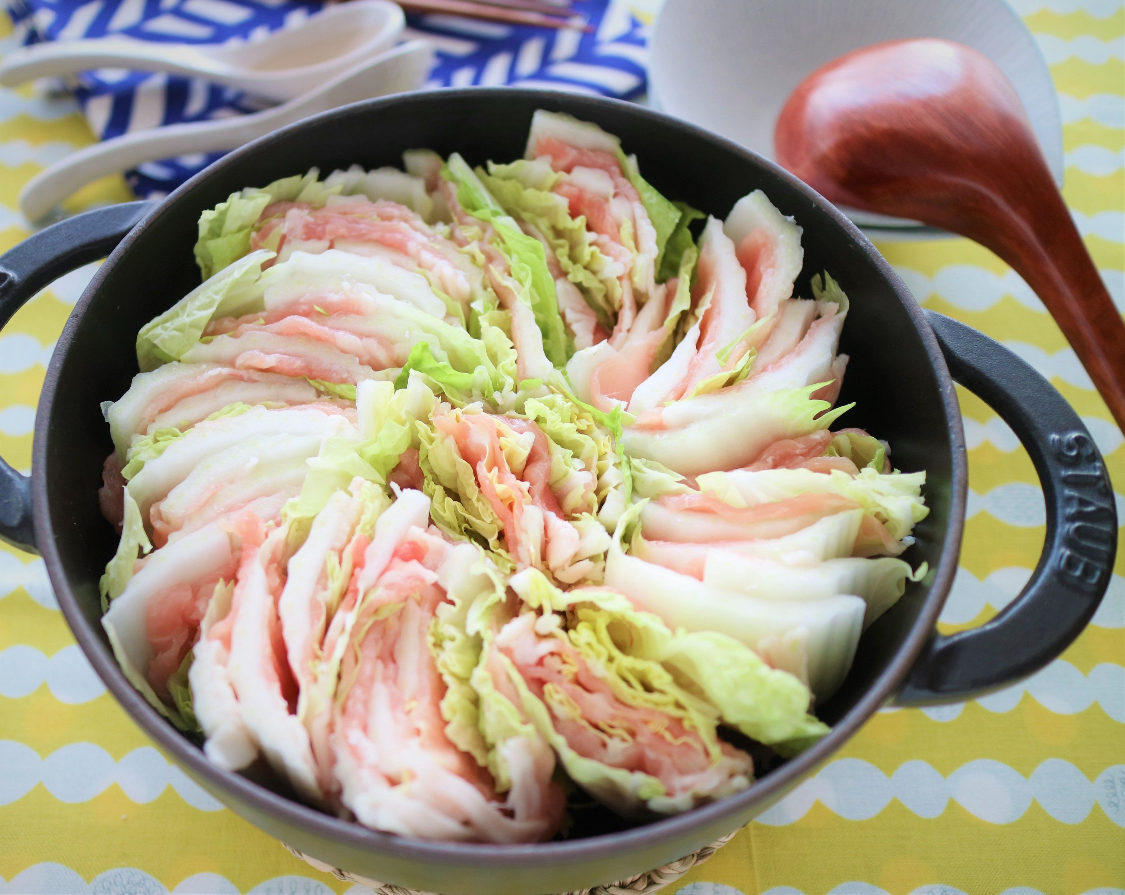
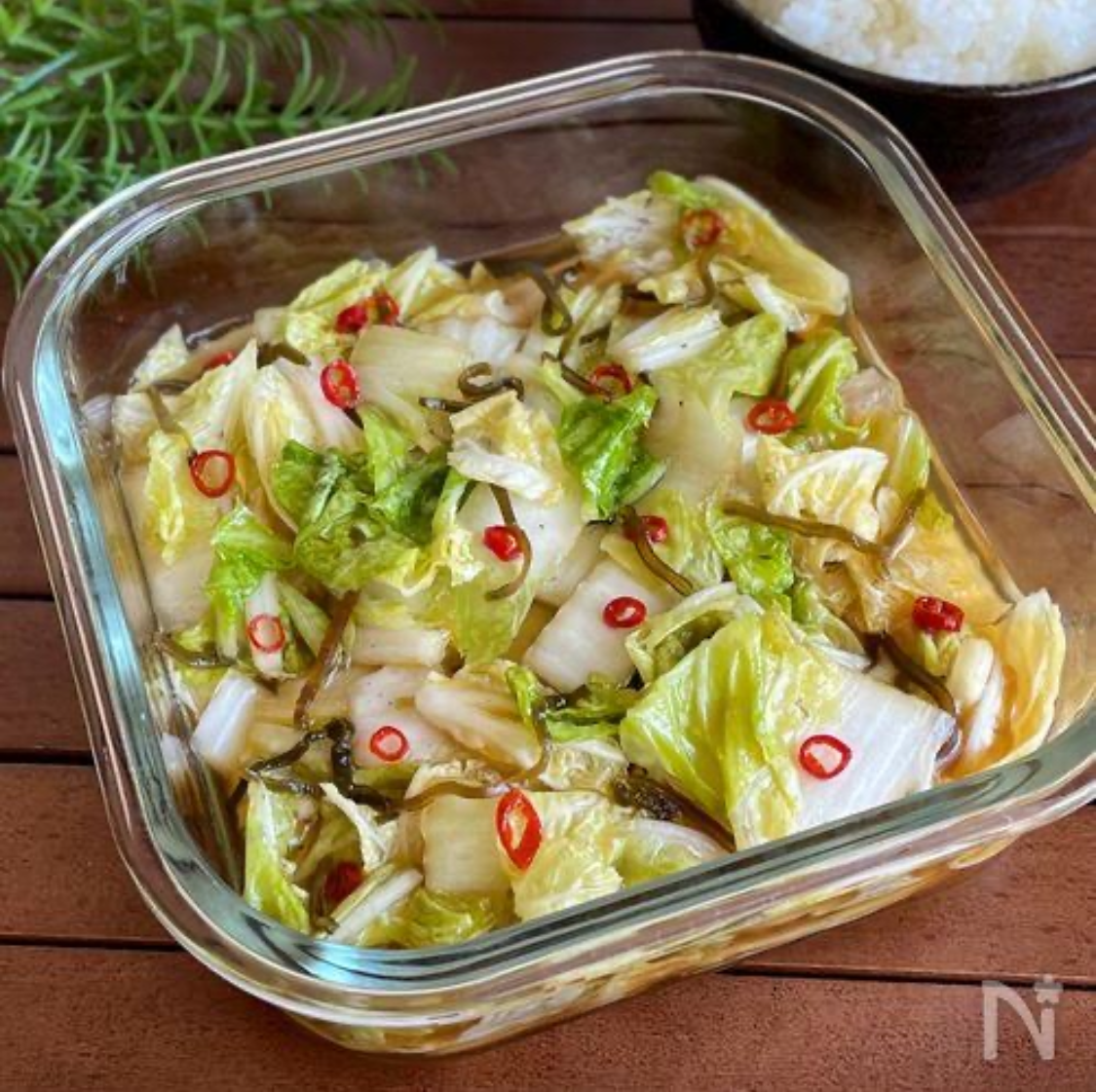
배추를 ハクサイ – 하쿠사이 로 부르는 일본에서는 배추와 얇은 돼지고기(또는 소고기)를 겹겹이 쌓아 냄비에 차곡차곡 채운 뒤 육수를 부어 끓여 먹는 일본식 전골 요리 밀푀유나베 (ミルフィーユ鍋) 가 있습니다. 배추 아사즈케 (白菜の浅漬け) 는 소금, 곤부(다시마), 고추 등을 넣어 배추를 단시간에 절여서먹는 절임 반찬 입니다.
In Japan, Where Cabbage Is Called Hakusai (ハクサイ)
There is Mille-Feuille Nabe (Mille-feuille nabe – ミルフィーユ鍋), a Japanese hot pot dish made by layering Napa cabbage and thin slices of pork (or beef), packing them neatly into a pot, and simmering them in broth. Another common dish is Hakusai Asazuke (Hakusai no asazuke – 白菜の浅漬け), a quick-pickled side dish made by lightly curing Napa cabbage with salt, kombu (kelp), and chili peppers.
Chou chinois /슈 시누아 라고 부르는 프랑스,독일에서는
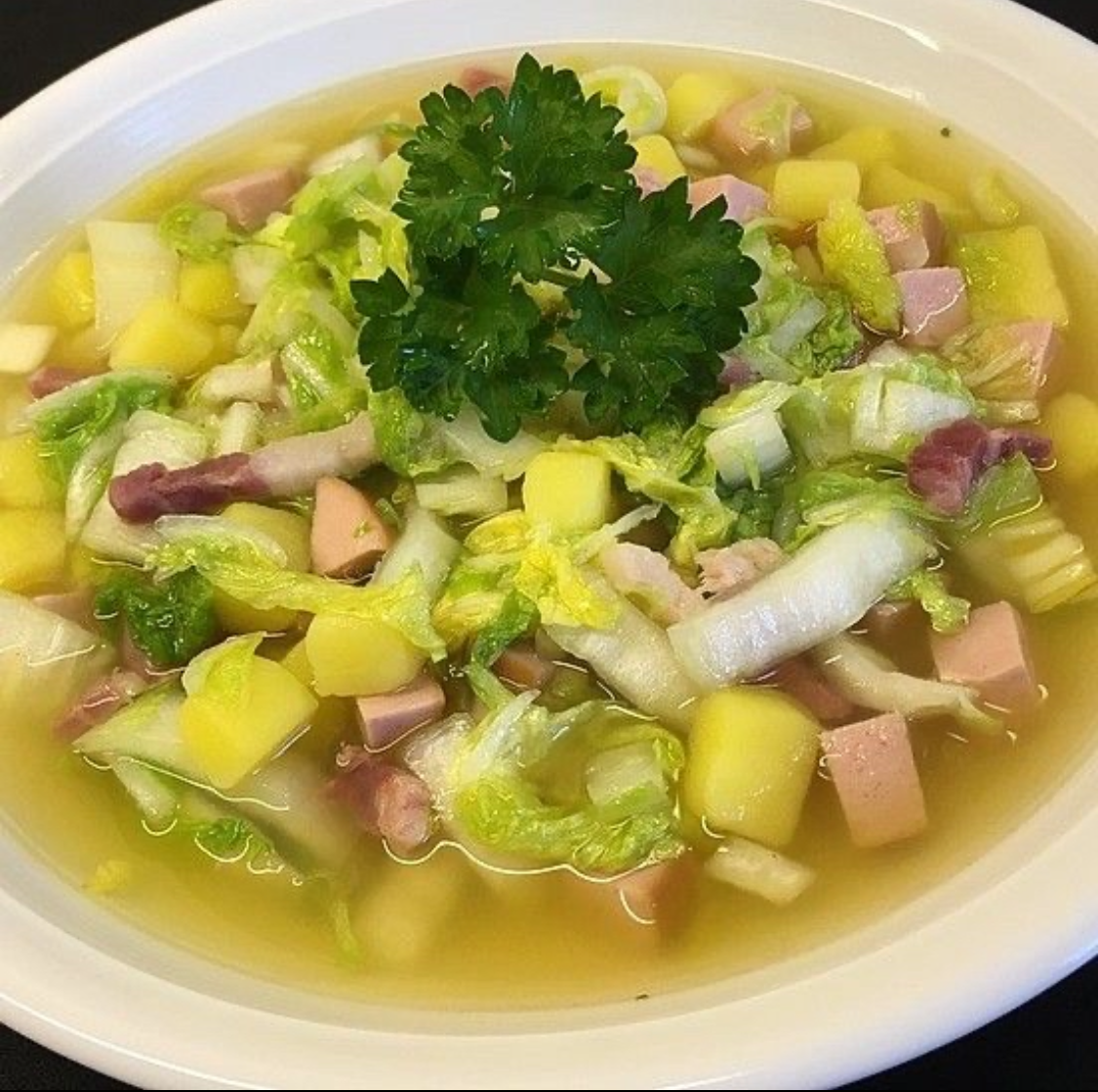
치나콜 수프 (Chinakohl Suppe)는, 독일에서 배추와 감자, 다진 고기, 그리고크림이나 육수를 넣고 따뜻하게 끓여 먹는 가을·겨울철 채소 수프입니다.
배추 그라탕 (Gratin de Chou Chinois)은 프랑스식 조리법으로, 살짝 데친 배추에 베샤멜 소스와 치즈를 듬뿍 올린 뒤 오븐에 구워내는 고소한 그라탕 요리입니다.
In France and Germany, Where It Is Called Chou Chinois
There is Chinakohl Suppe, a popular autumn and winter vegetable soup in Germany made by simmering Napa cabbage with potatoes, minced meat, and cream or broth to create a warm, comforting dish.
Another dish is Gratin de Chou Chinois, a French-style dish where blanched Napa cabbage is layered with rich béchamel sauce, generously topped with cheese, and baked in the oven until golden and savory.
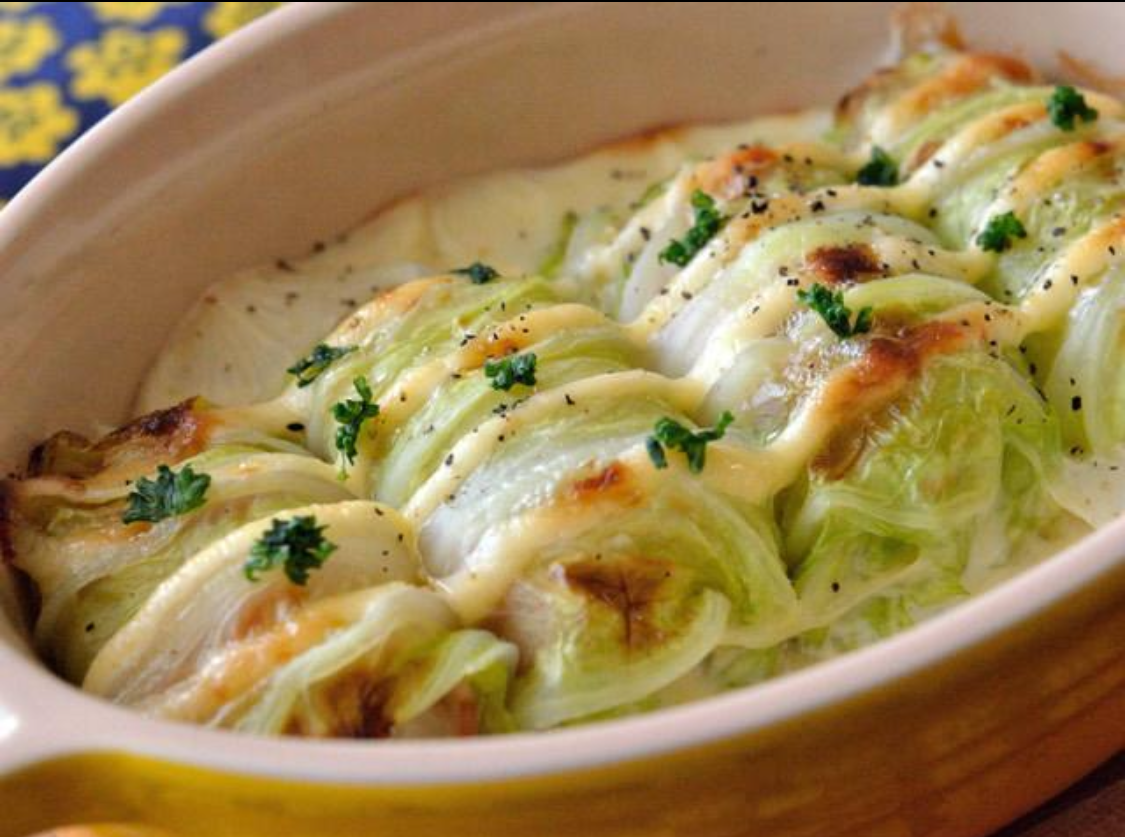
배추 요리를 살펴보면 찜, 수프, 구이, 볶음처럼 열을 가해 따뜻하게 즐기는 조리법이 많습니다. 왜 그럴까요?
배추는 성질이 서늘하고 차가운(微寒) 성질을 가진 식재료 라고 합니다. 체내의 불필요한 열을 내리고 독소를 배출하는 이로움도 있지만, 생으로 과다 섭취할 경우 위장이 약하거나 속이 찬 사람에게는 설사나 배탈을 유발할 수 있습니다.
배추를 푹 끓이거나 센 불에 볶고, 오븐에 굽는 과정은 배추가 지닌 차가운 성질을 따뜻하게 중화시켜 위장에 부담이 덜 가게 해줍니다.
한국의 김치가 대표적입니다. 차가운 배추에 마늘, 생강, 고춧가루, 파 같은 따뜻한 온성(溫性) 양념을 더해 발효 시킴으로써 찬 성질과 따뜻한 성질의 균형을 완성해 냅니다.
When looking at various cabbage dishes, many methods involve heat—such as steaming, soups, roasting, and stir-frying—to enjoy it warm. Why is that?
Napa cabbage is considered an ingredient with a slightly cool or cold property (微寒). While it offers benefits like cooling body heat and flushing out toxins, consuming too much of it raw can cause stomach upset or diarrhea for those with a weak or cold stomach.
Processes like boiling, stir-frying over high heat, or oven-roasting help neutralize the cool nature of Napa cabbage, making it gentler on the digestive system.
Korean Kimchi is a prime example. By combining cool Napa cabbage with warm ingredients (溫性) like garlic, ginger, chili powder, and green onions, the fermentation process achieves a perfect balance between cool and warm properties.
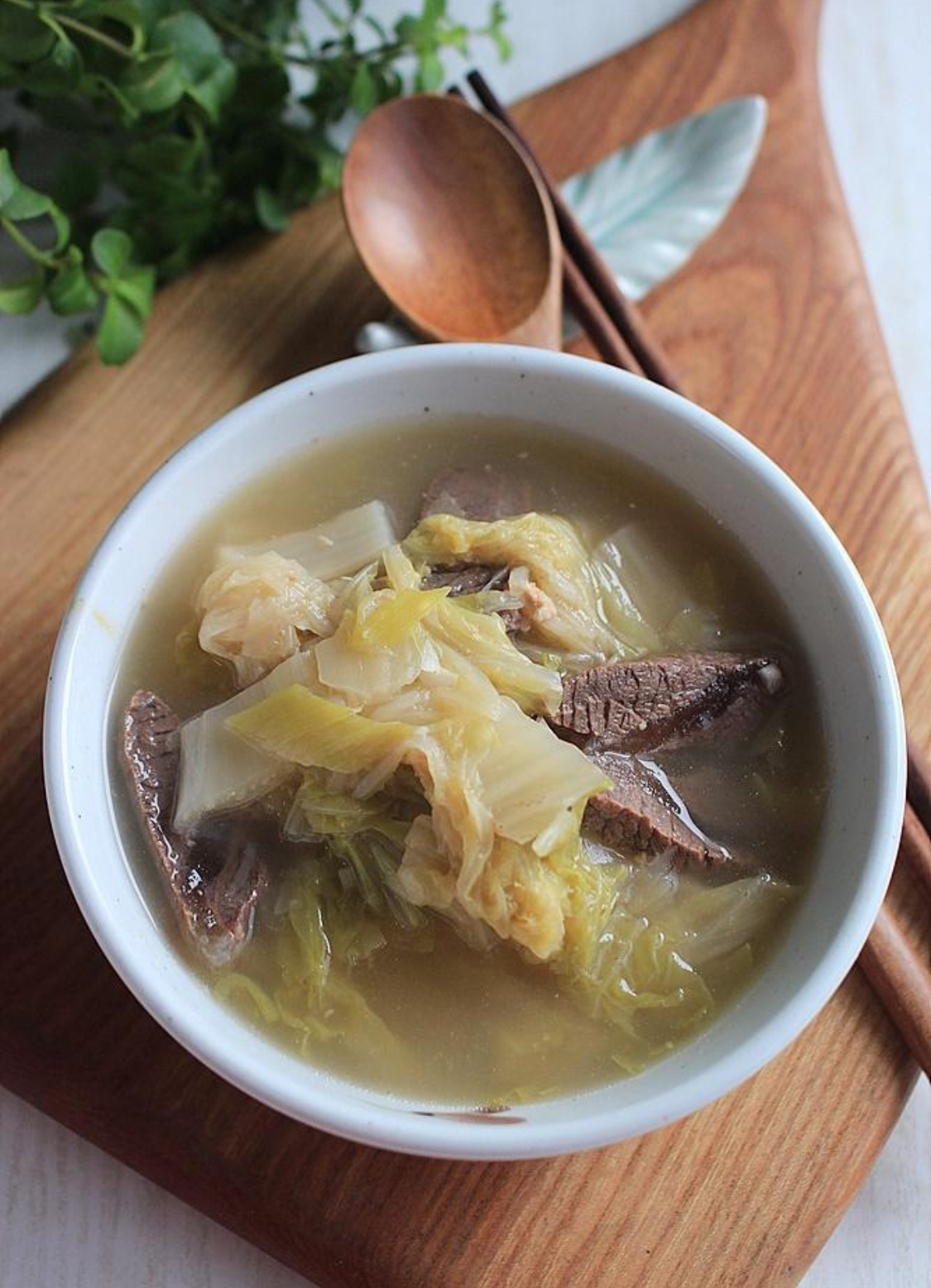
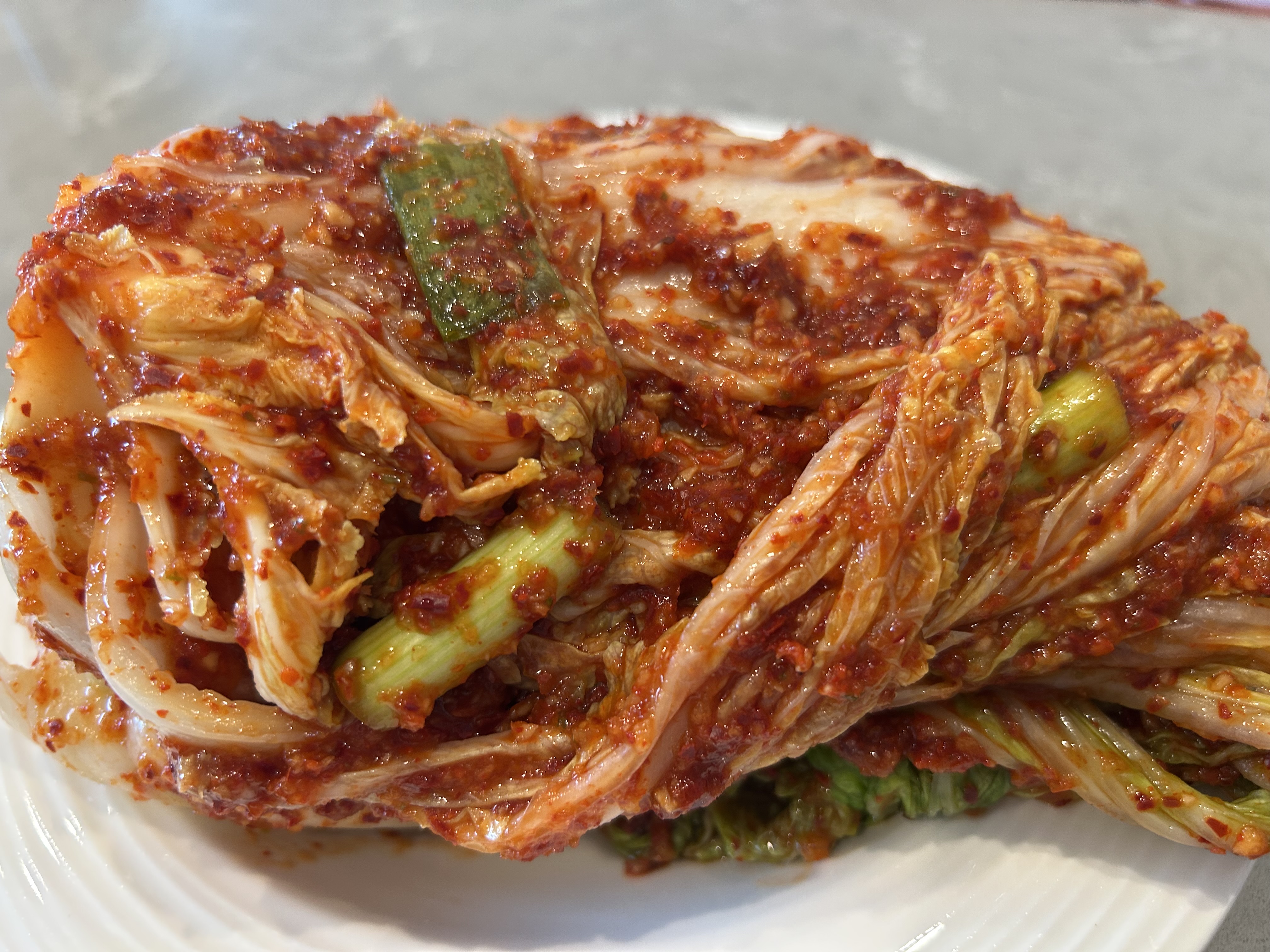
보통 채소의 비타민 C는 열에 약해 금세 파괴되지만, 배추는 예외에 가깝습니다. 배추의 비타민 C는 촘촘한 전분질 구조로 싸여 있어, 오래 끓이거나 오븐에 오랫동안 구워도 영양 손실이 거의 일어나지 않습니다.
Unlike most vegetables, where Vitamin C is easily destroyed by heat, Napa cabbage is a rare exception. The Vitamin C in Napa cabbage is protected within a dense starch structure, resulting in minimal nutrient loss even when boiled for a long time or roasted in the oven.
위점막을 보호하는 비타민 U와 식이섬유 가 들어있습니다. 배추 속 흰 줄기와 속잎에는 위점막을 재생·보호하는 비타민 U가 풍부합니다. 열을 가하면 질긴 식이섬유가 부드럽게 연화되어 소화 흡수율이 높아진다고 합니다.
It also contains Vitamin U and dietary fiber, which protect the stomach lining. The white stems and inner leaves of Napa cabbage are particularly rich in Vitamin U, known for promoting the regeneration and protection of the gastric mucosa. Heating the cabbage softens its tough dietary fibers, enhancing both digestion and nutrient absorption.
배추 성분에 고이트로젠(Goitrogen) 성분이 들어 있는데, 이것은 갑상선 호르몬 방해 성분(고이트로젠)입니다. 이 성분 또한 데치거나 푹 익히는 과정에서 불활성화되어 건강하게 섭취할 수 있게 됩니다.
Additionally, Napa cabbage contains goitrogens, compounds that can interfere with thyroid hormone production. However, these compounds are inactivated during blanching or thorough cooking, making it safe and healthy to eat.
이런 요리들에 쓰이는 배추는 어떻게 키워질까요?
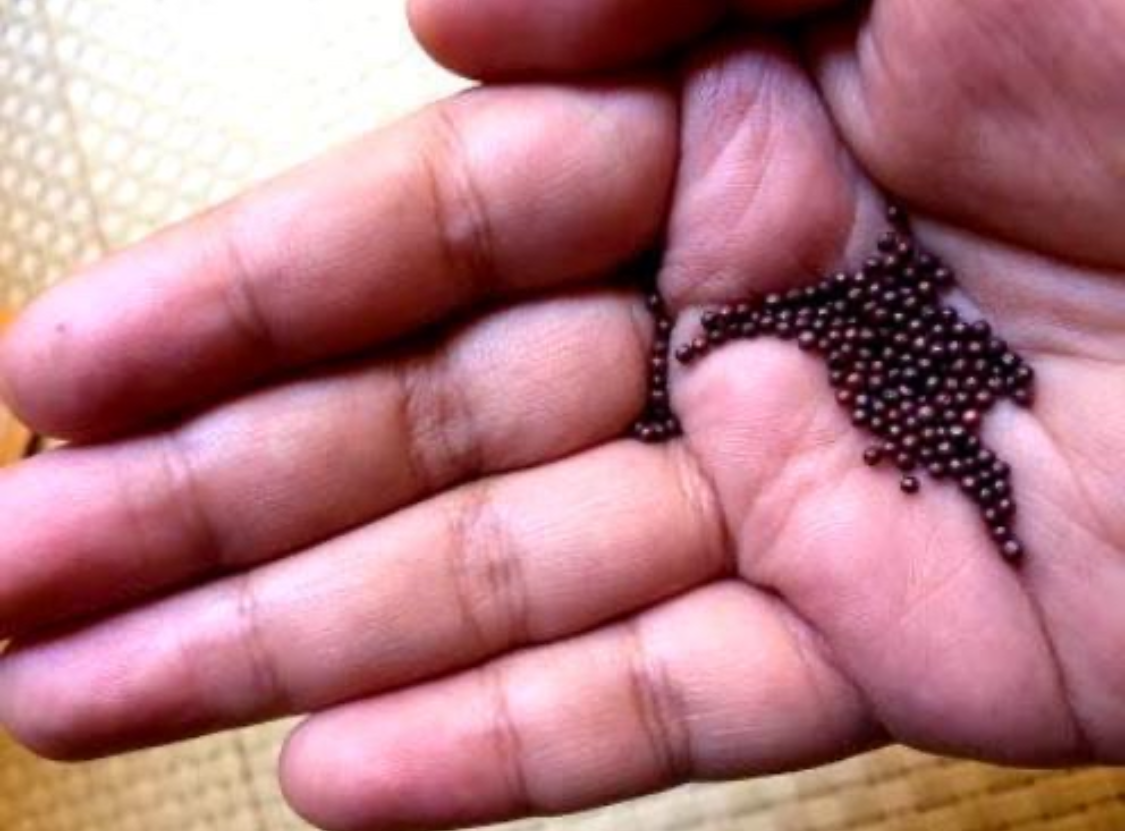
배추 씨앗은 깨알보다 작고 까맣습니다.
흙 속에 씨앗을 심고 물을 주면 3~5일 만에 귀여운 싹이 터 올라옵니다.
처음에는 떡잎이 올라오고, 점차 어린 본잎이 자라나기 시작합니다.
How Is the Napa Cabbage Used in These Dishes Grown?
Napa cabbage seeds are tiny and black—even smaller than a grain of sesame.
When planted in the soil and watered, cute little sprouts emerge in just 3 to 5 days.
At first, the cotyledons (seed leaves) appear, and gradually, delicate true leaves begin to grow.
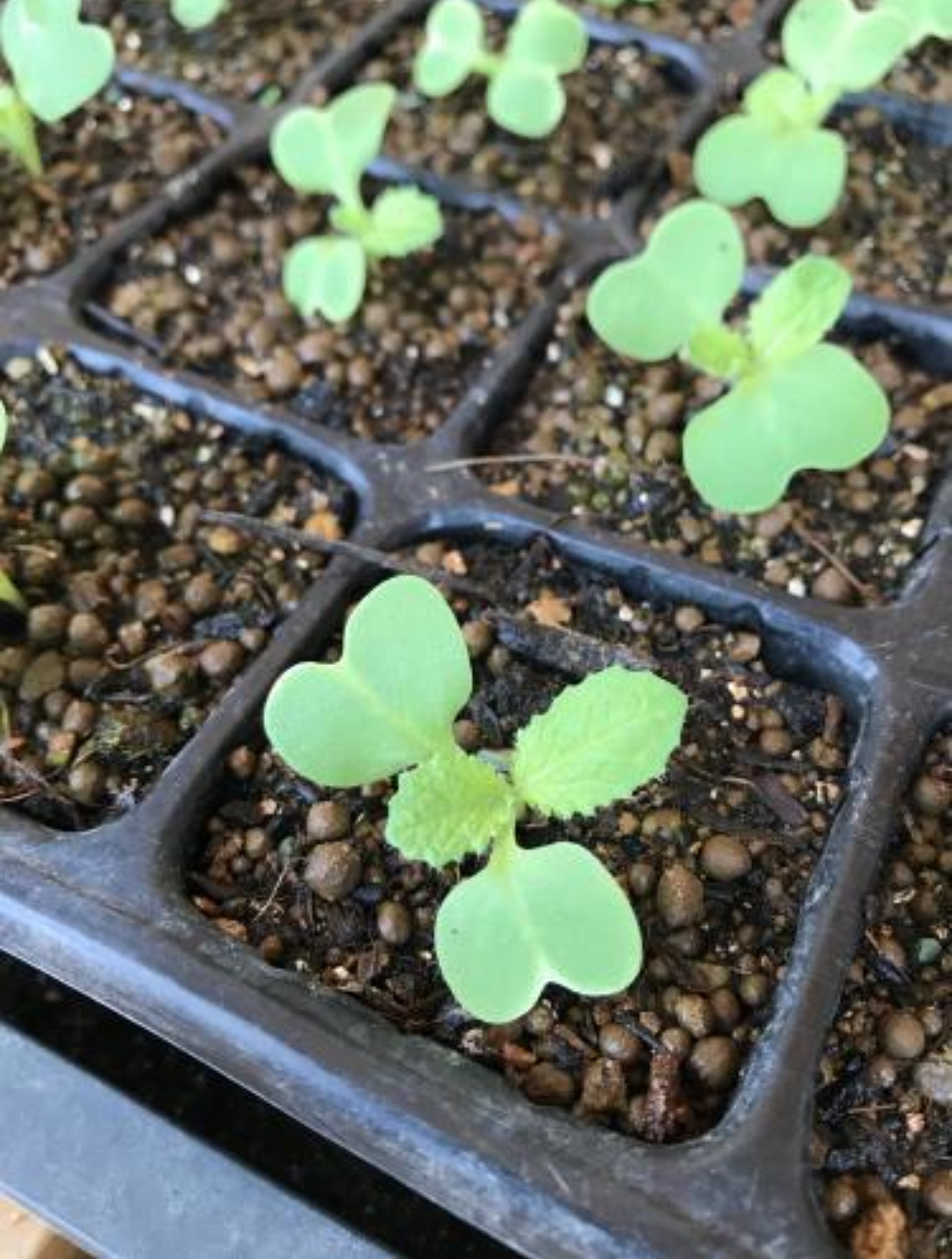
모종으로 자란 배추는
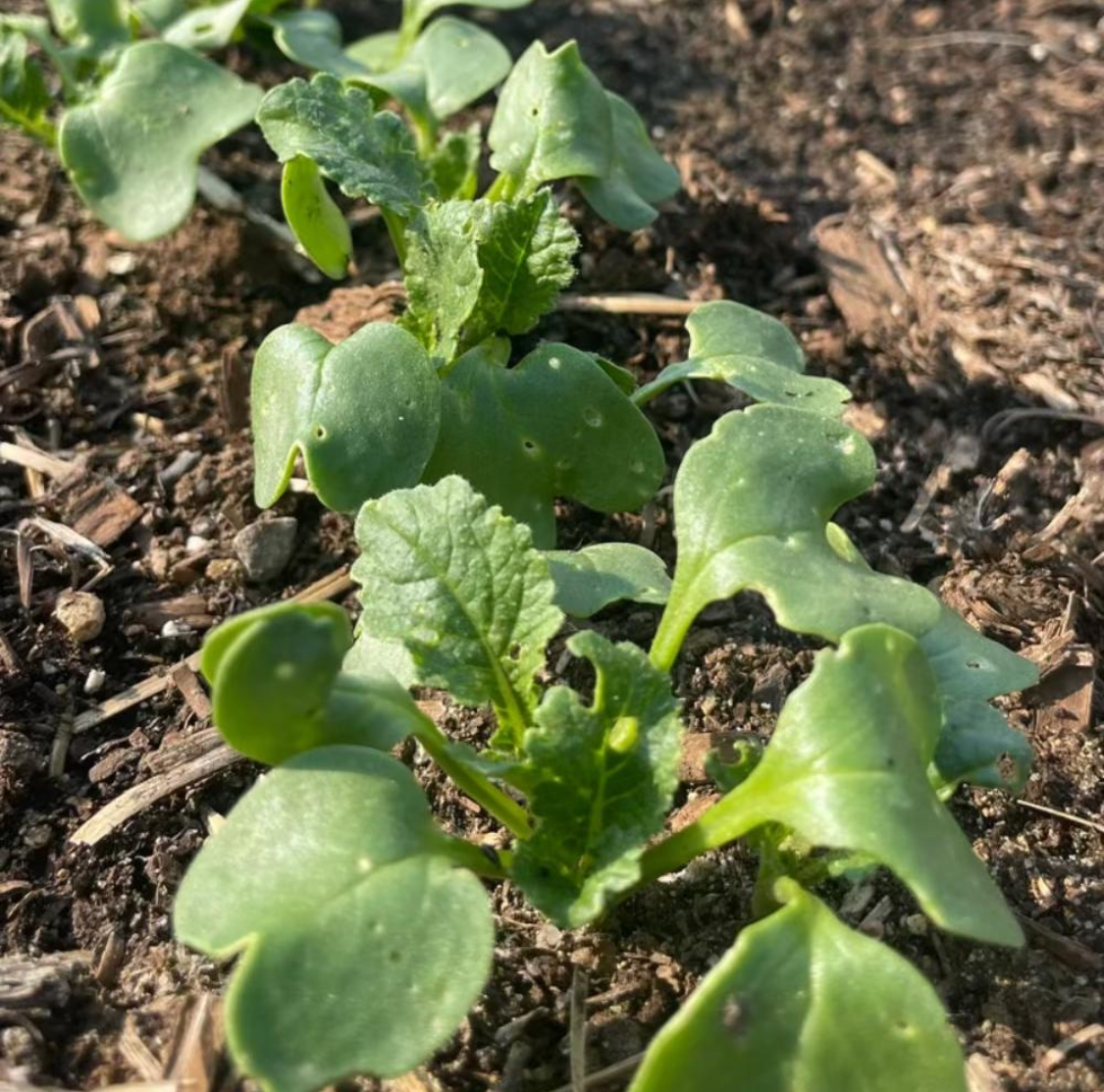
잎이 4~5장 정도 자라면 밭에 넓은 간격으로 옮겨 심습니다.
배추는 나중에 잎이 아주 커지기 때문에 포기와 포기 사이를 30~40cm 이상 넓게 띄워주는 것이 중요합니다.
Once the Seedlings Grow
When 4 to 5 leaves have developed, the seedlings are transplanted into the field with generous spacing.
Since Napa cabbage grows quite large, it is important to space the plants at least 30 to 40 cm apart.
속이 들어차는 시기 (결구기 – 배추의 하이라이트!)
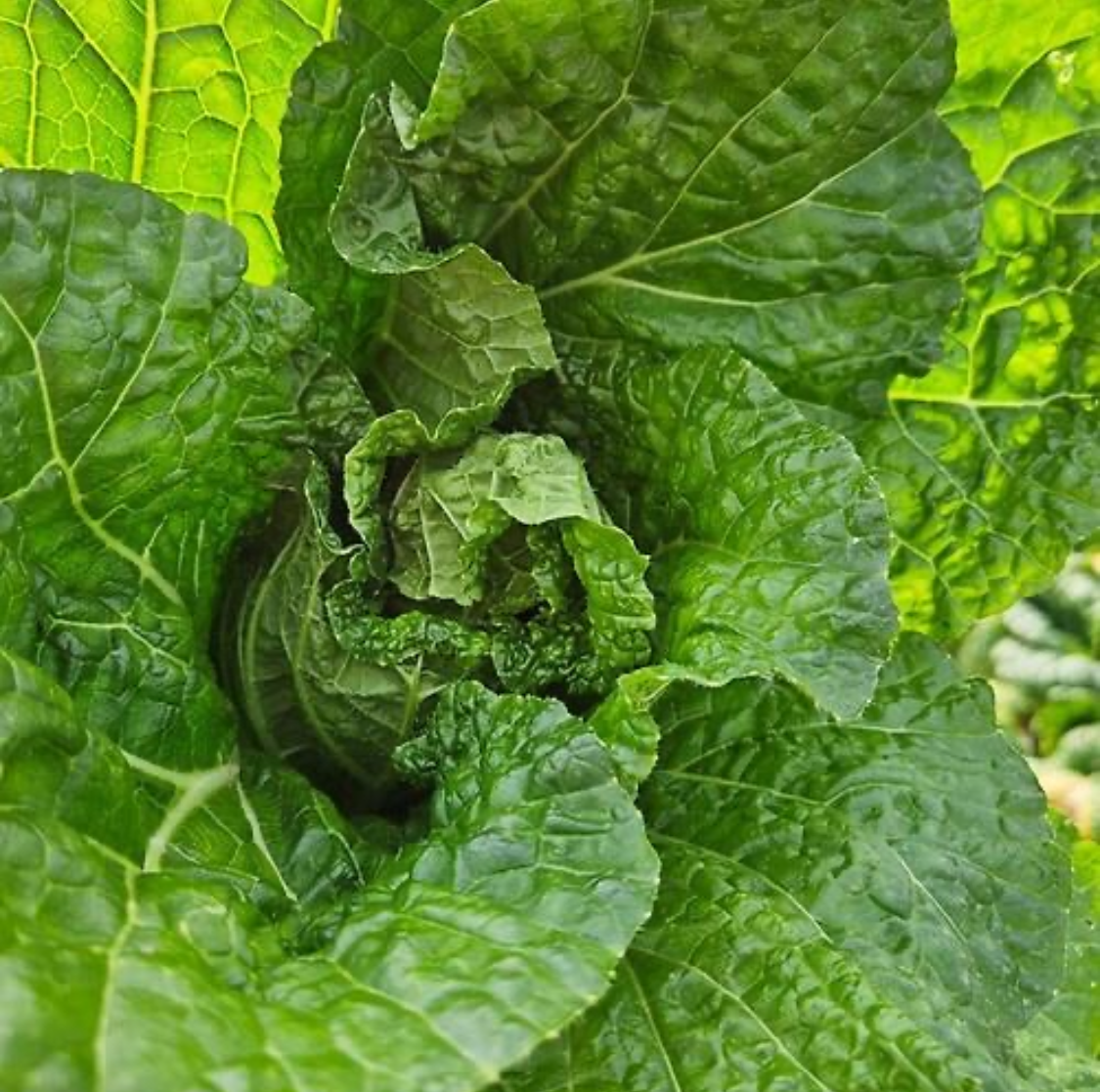
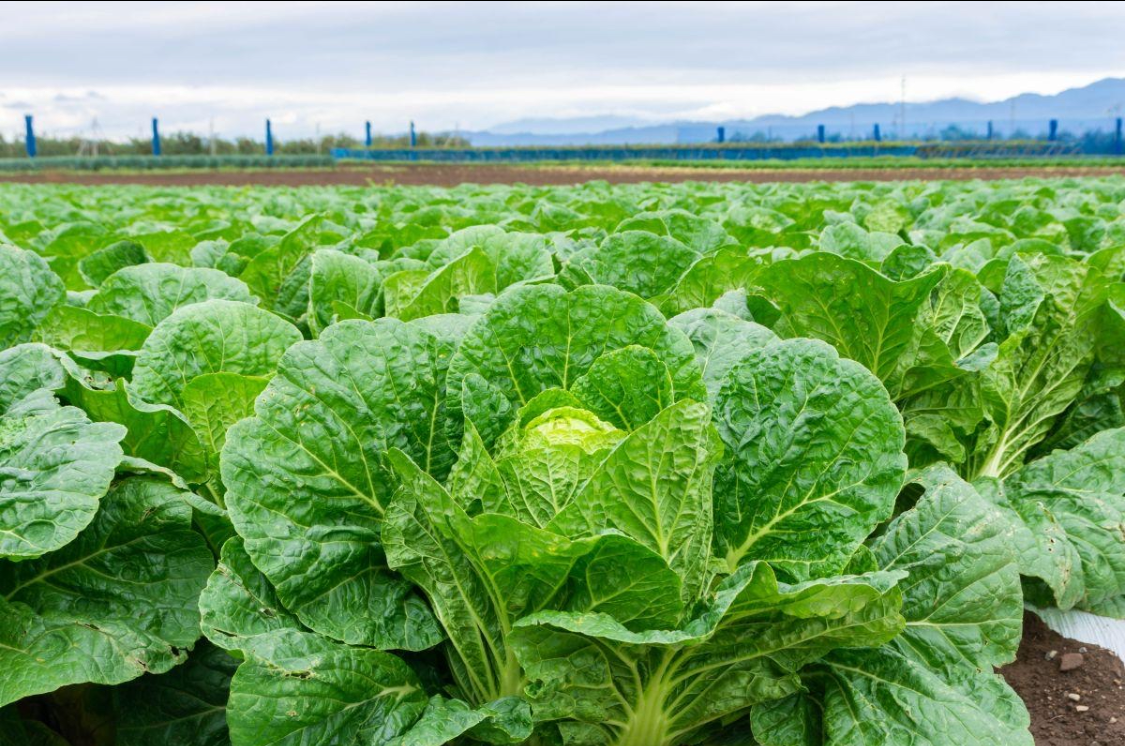
서늘한 가을 바람(낮 20℃, 밤 10℃ 안팎)이 불기 시작하면 놀라운 변화가 일어납니다.
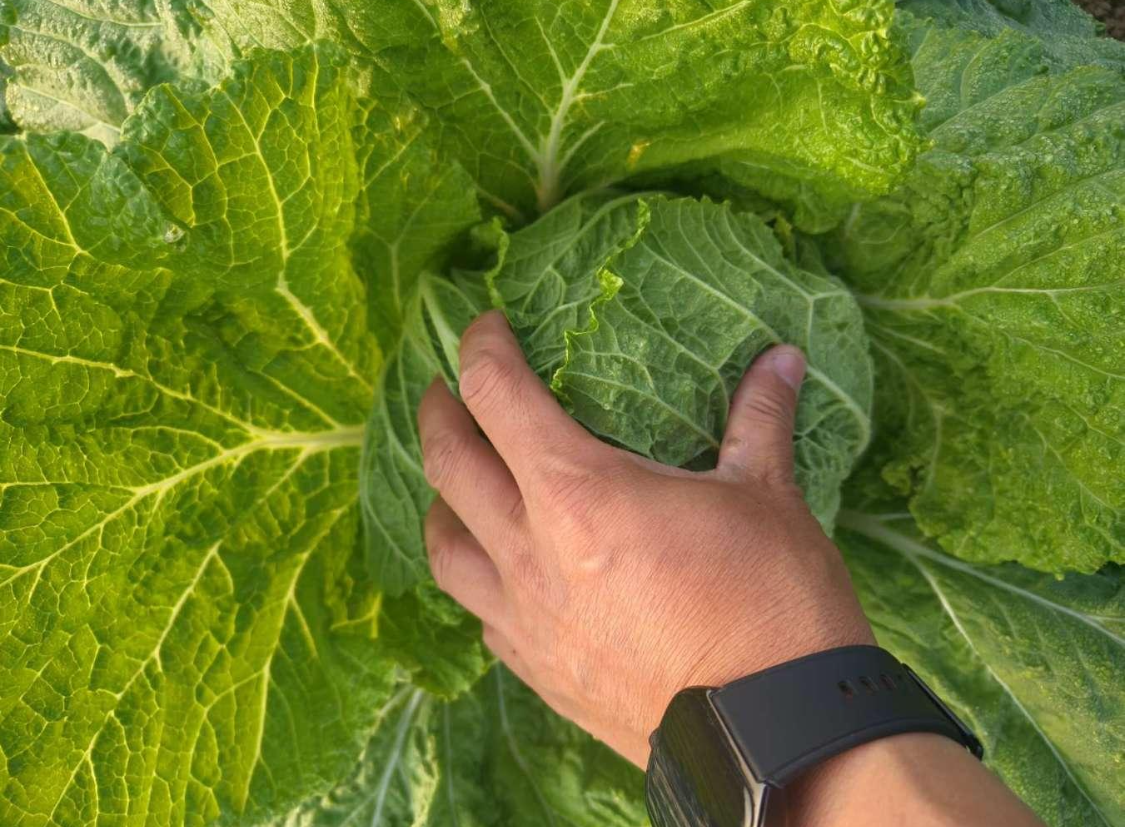
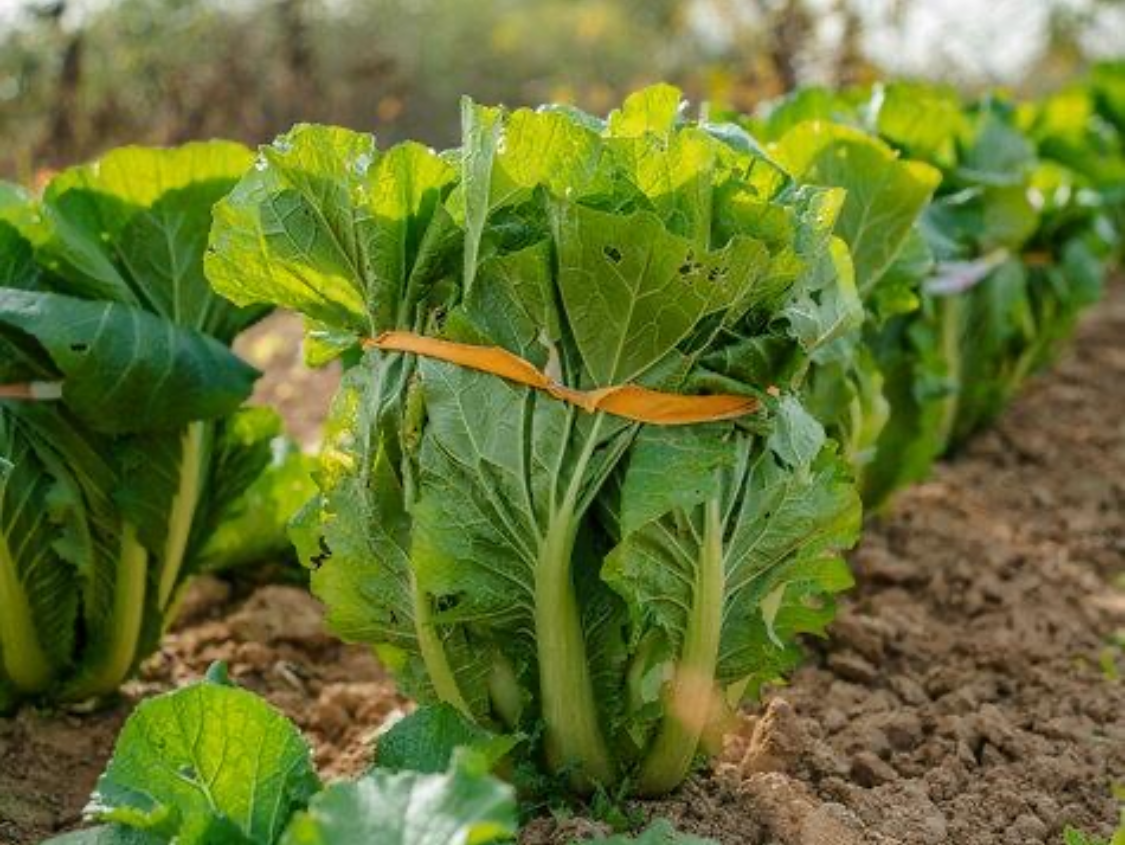
겉잎이 안쪽 잎들을 감싸 안기 시작하고, 속에서 새로 나오는 연한 잎들이 서로 밀착하면서 겹겹이 공 모양으로 빽빽하게 뭉쳐집니다. 우리가 아는 노란 속잎이 단단하게 들어차는 시기입니다. 이때 끈을 이용해서 단단히 싸여지게 묶어줍니다.
Head-Forming Stage (Heading Period—The Highlight of Growing Napa Cabbage!)
When the cool autumn breeze begins to blow (around 20°C during the day and 10°C at night), an amazing transformation takes place.
The outer leaves begin to wrap around the inner leaves, and the tender new leaves emerging from the center press tightly against one another, forming dense, spherical layers. This is when the familiar, golden-yellow inner leaves pack together firmly. During this time, growers often tie the outer leaves with twine to help them stay tightly wrapped.
수확을 하려면,
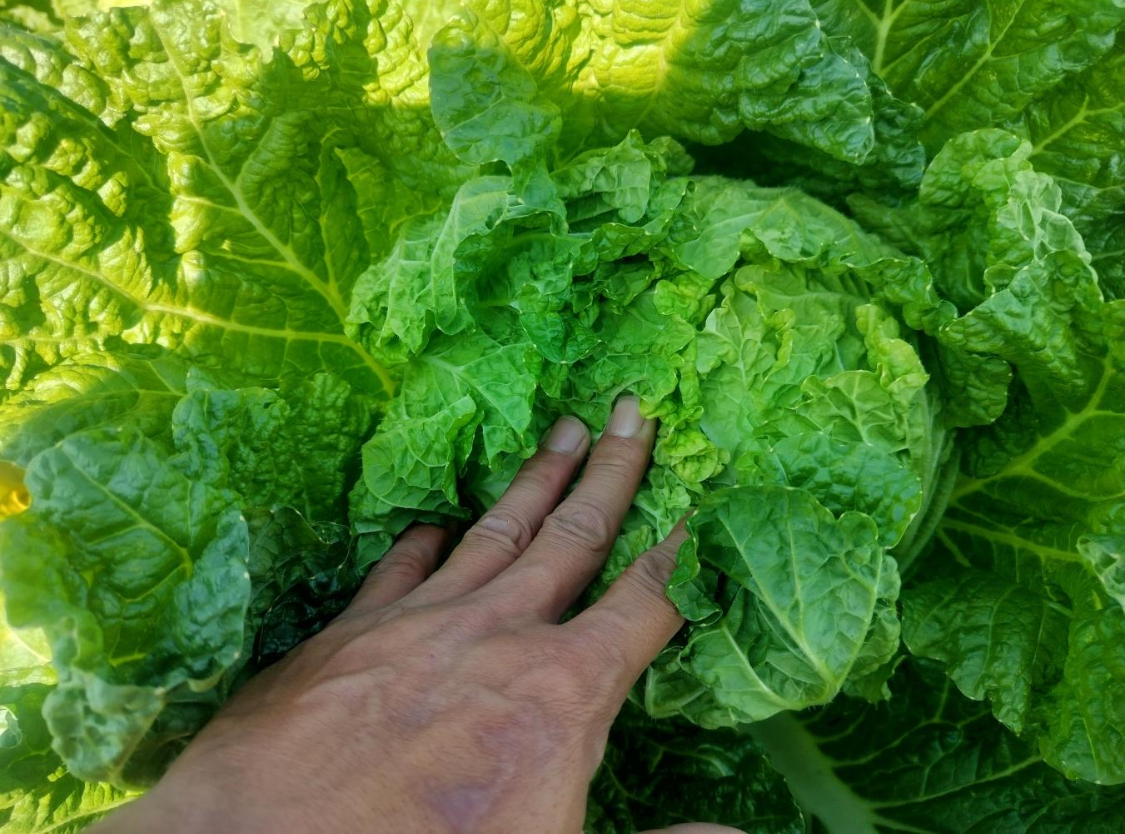
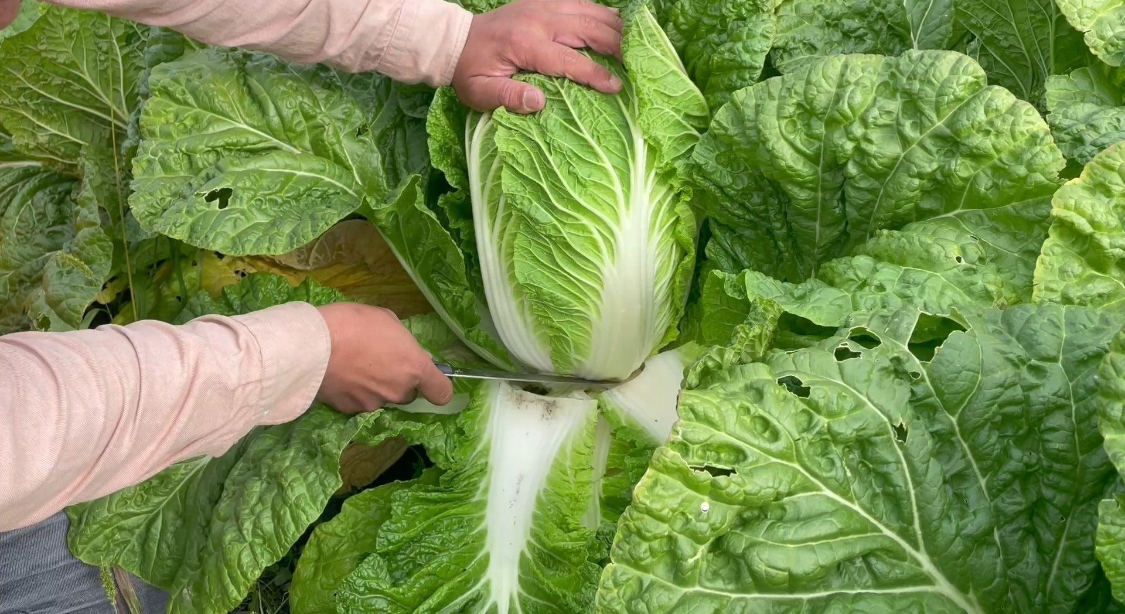
씨앗을 심은 지 약 60~70일이 지나고, 손으로 꽉 눌러보았을 때 단단하고 묵직한 느낌이 들면 수확합니다.
To Harvest Napa Cabbage
It is ready to harvest about 60 to 70 days after planting the seeds, when the head feels firm and heavy upon giving it a firm press with your hands.
Best Friend…?
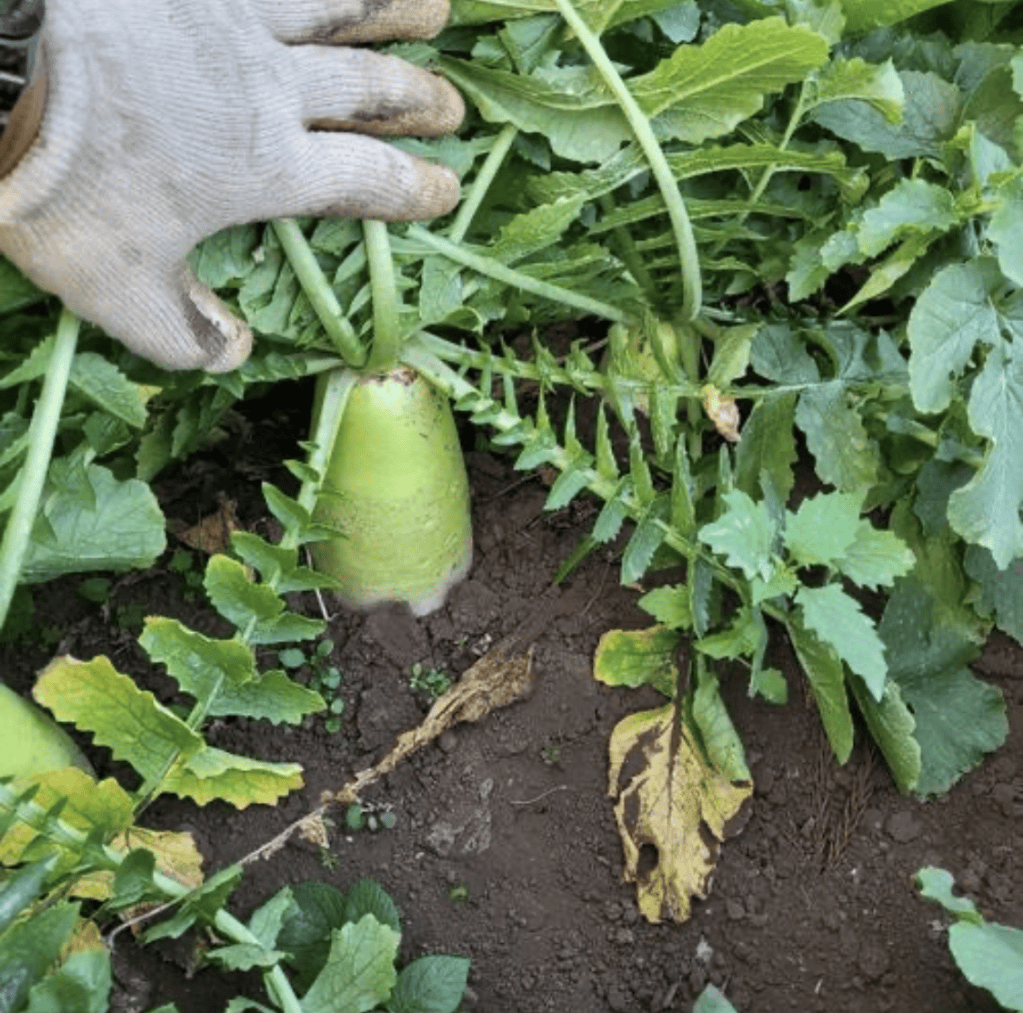
무는 배추와 씨앗을 뿌리고 자라나 수확하기까지 시기가 비슷해, 배추를 심는 시기에 무를 사이좋게 곁에 두고 함께 심습니다. 김치를 담글 때 배추의 아삭한잎과 은은한 단맛이, 무의 알싸하면서도 시원한 즙과 단맛이 더해져 김치의 깊은 감칠맛이 완성됩니다. 배추김치를 담글 때 무채를 썰어 넣는 이유이기도 합니다. 또한 배추의 풍부한 비타민과 섬유질에, 천연 소화제라 불리는 무의 디아스타아제(소화효소)가 더해져 우리 몸에 아주 이로운 궁합을 자랑합니다.
Best Friend…?
Radishes (Mu) share a similar growth cycle with Napa cabbage, from seeding to harvest, which is why they are often planted side by side in the garden. When making Kimchi, the crisp leaves and subtle sweetness of Napa cabbage combine with the tangy, refreshing juice and sweetness of radish to complete Kimchi’s deep, savory flavor. This is also why shredded radish is added as a key stuffing for Napa cabbage Kimchi. Furthermore, radish contains diastase, a digestive enzyme known as a natural digestive aid, which complements the rich vitamins and fiber of Napa cabbage to create a remarkably healthy pairing for our bodies.
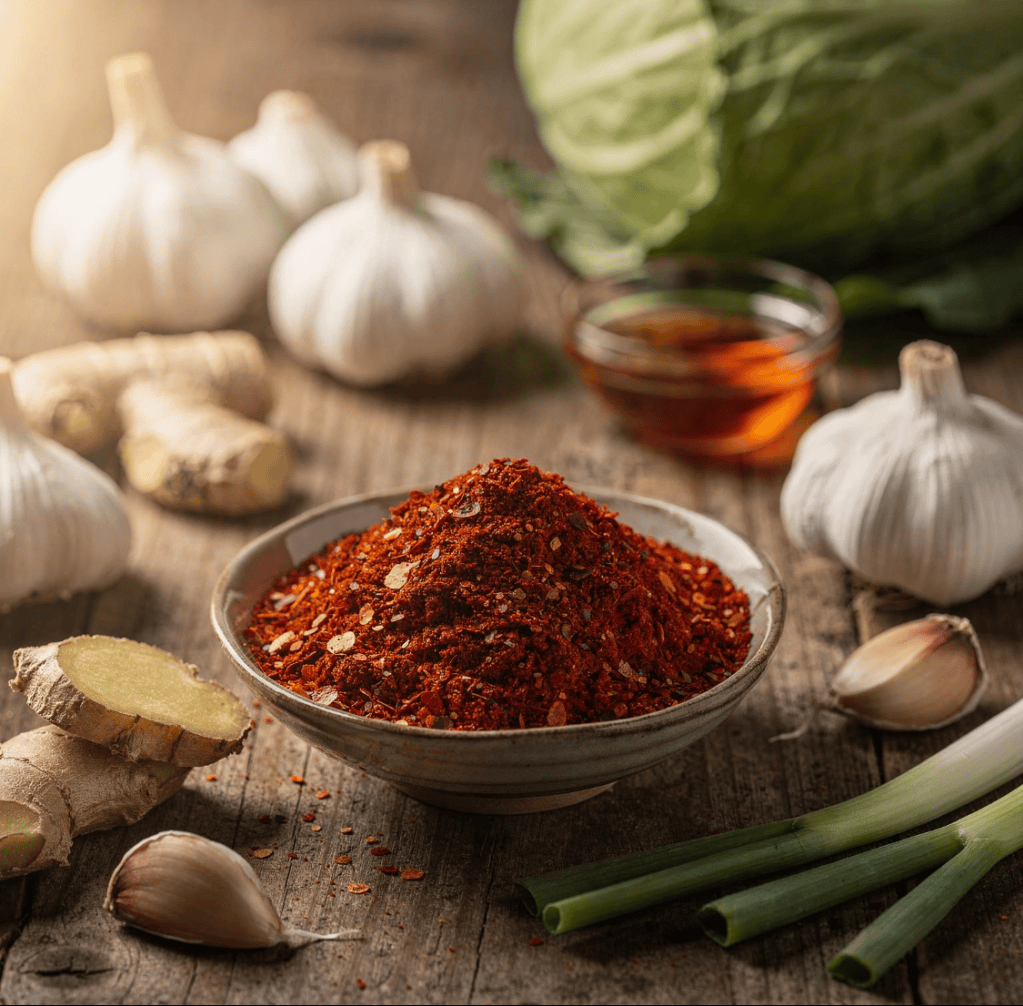
양념 삼총사 (마늘, 생강, 고춧가루)는 차가운 배추를 따뜻하게 감싸 안아 김치라는 명작을 만들어 주는 든든한 친구들입니다.
The Seasoning Trio (Garlic, Ginger, and Chili Powder)
These reliable companions wrap cool Napa cabbage in their gentle warmth, transforming it into a masterpiece known as Kimchi.
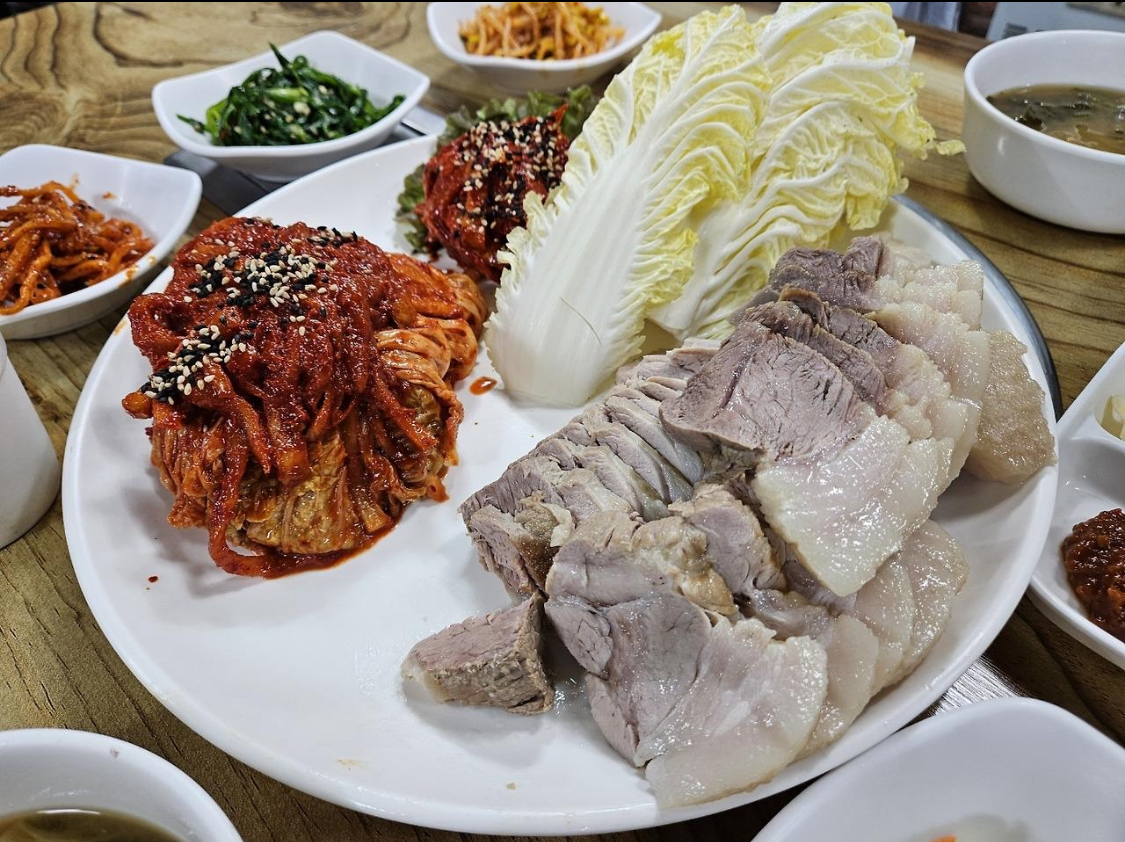
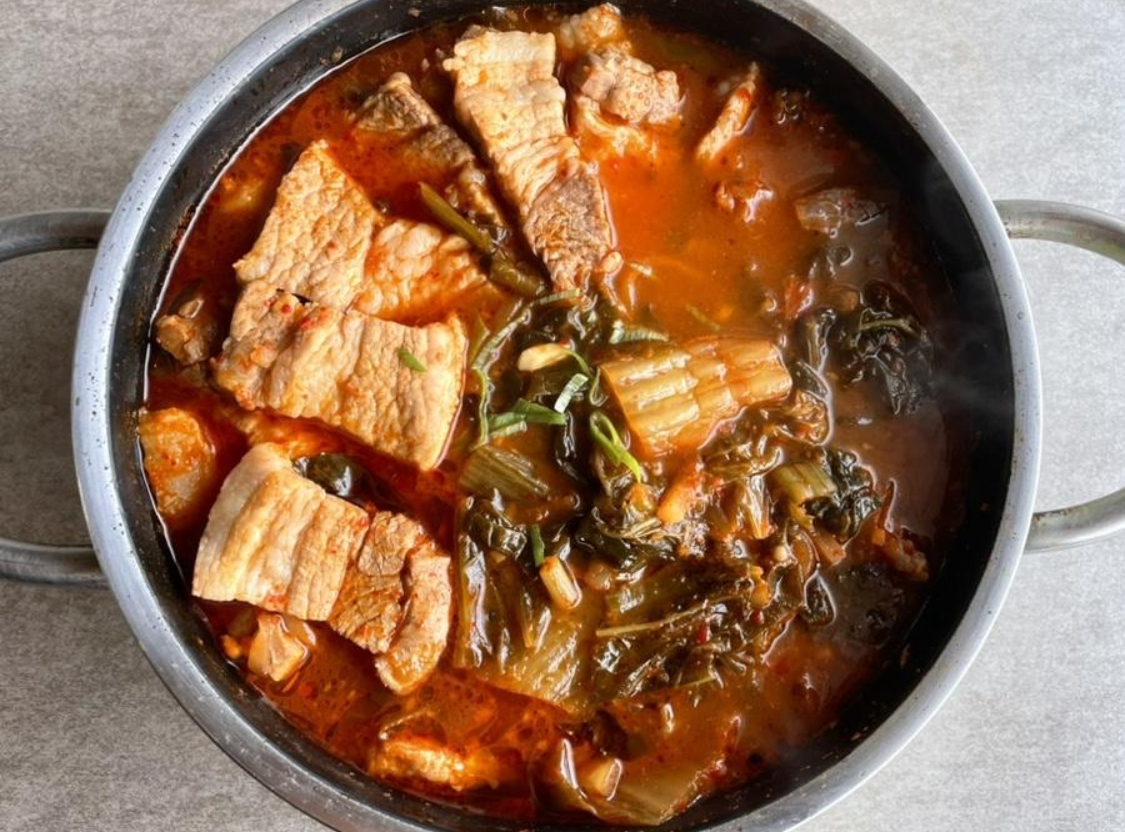
돼지고기는 배추 우거지나 배추 쌈, 김치찌개에서 배추의 감칠맛을 배로 끌어올려 주는 고마운 짝꿍입니다.
Pork is a wonderful companion that doubles the savory umami flavor of Napa cabbage, whether in dried cabbage leaf soup (Ugeoji), fresh cabbage wraps (Ssam), or Kimchi stew (Kimchi-jjigae).
이렇듯 수고와 정성으로 자란 배추는 우리의 식탁 위에서 김치나 따뜻한 국이 되고, 멀리 떨어진 먼 나라에서는 그들만의 온기 있는 요리가 되어 건강을 지켜주고 있습니다. 우리가 식탁에 앉아 맛있게 차려진 음식과 그 재료들에 진심으로 감사하며, 이를 아이들에게 가르쳐야 하는 이유도 바로 여기에 있지 않을까요. 해외 생활을 하는 나에게 그리고 우리에게 배추는 감사함이 절로 나오는 식재료 입니다. 고향의 맛을 지켜가는 하나의 이름입니다.
In this way, Napa cabbage, grown with so much effort and care, becomes Kimchi or warm soup on our dining tables, while in far-off lands, it turns into comforting dishes of their own, nurturing people’s health. Perhaps this is the very reason why we sit at the table with deep gratitude for the delicious food and its ingredients, and why we pass this lesson on to our children. For me—living abroad—and for all of us, Napa cabbage is an ingredient that naturally fills our hearts with gratitude. It is a single name that holds and preserves the taste of home.

Leave a comment