Prologue
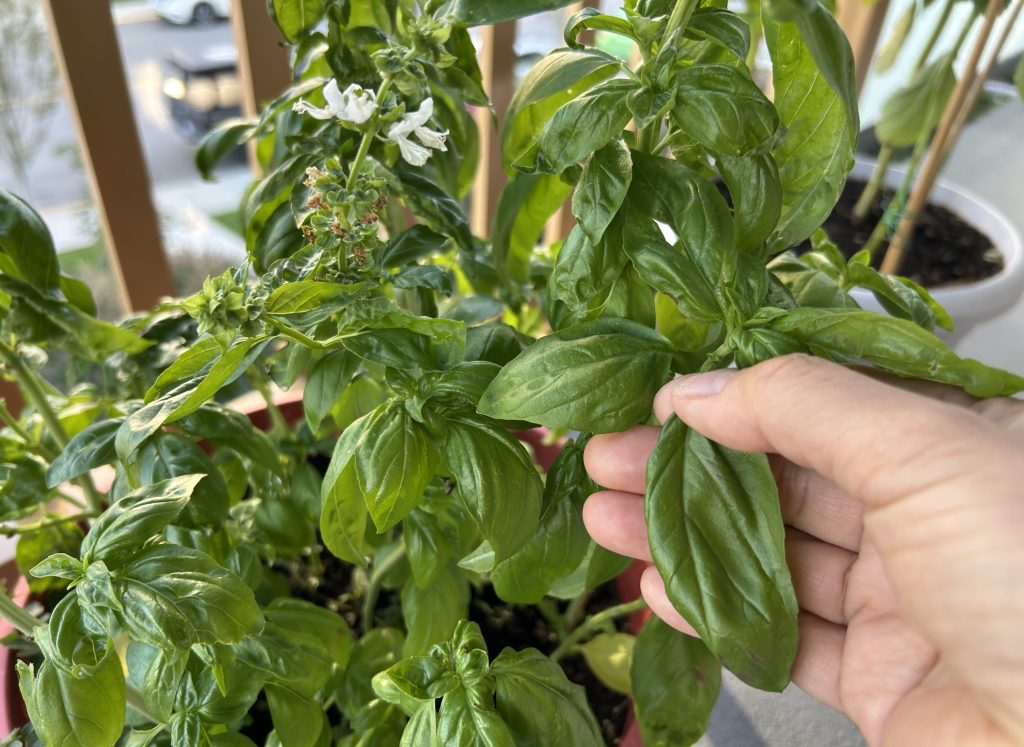
One of the great joys of blogging is that it slowly sparks my curiosity about the everyday ingredients I use and keep around me. At first, I wondered if looking so deeply into a simple herb might be an overreaction. However, as I researched out of genuine curiosity, I discovered hidden chemical compounds and proper handling techniques I hadn’t known before. Learning these made the dishes I prepared with them taste even better, and it gave me a sense of accomplishment—a feeling I am certain isn’t mine alone. Today, I want to share the story of the basil I’ve grown and used myself. As always, I’ve explored just enough information for me to comfortably understand and appreciate.
The variety I grew is Sweet Basil (Ocimum basilicum), which is one of the many types of basil out there. It’s also the most common variety we encounter at supermarkets and restaurants.
Basil Fragrance
The distinct fragrance we experience in Sweet Basil is not made of a single compound, but created through a harmony of complex essential oil molecules.
Rather than a simple grassy scent, basil possesses a complex flavor profile that exquisitely blends a fresh forest aroma, sweet anise notes, subtle spicy hints of clove, and a touch of peppermint.
- Linalool: A compound also found in lavender and flea mint, it produces a fresh, sweet forest aroma that brings a sense of calm.
- Eucalyptol (1,8-Cineole): Imparts a refreshing and cool, crisp character commonly found in eucalyptus trees.
- Eugenol: The key component of cloves, it delivers the subtle spiciness and deep, woody nuance characteristic of cloves when chewed.
- Methyl Chavicol (Estragole): Adds a sweet, liqueur-like flavor reminiscent of fennel or anise.
Thanks to these components, when you rub the leaves between your fingertips or chew them, the signature fragrant notes of Eucalyptol and Linalool burst forth, refreshing your spirit.
Different Varieties
Besides Sweet Basil, there are various other basil varieties that emit completely different aromas.
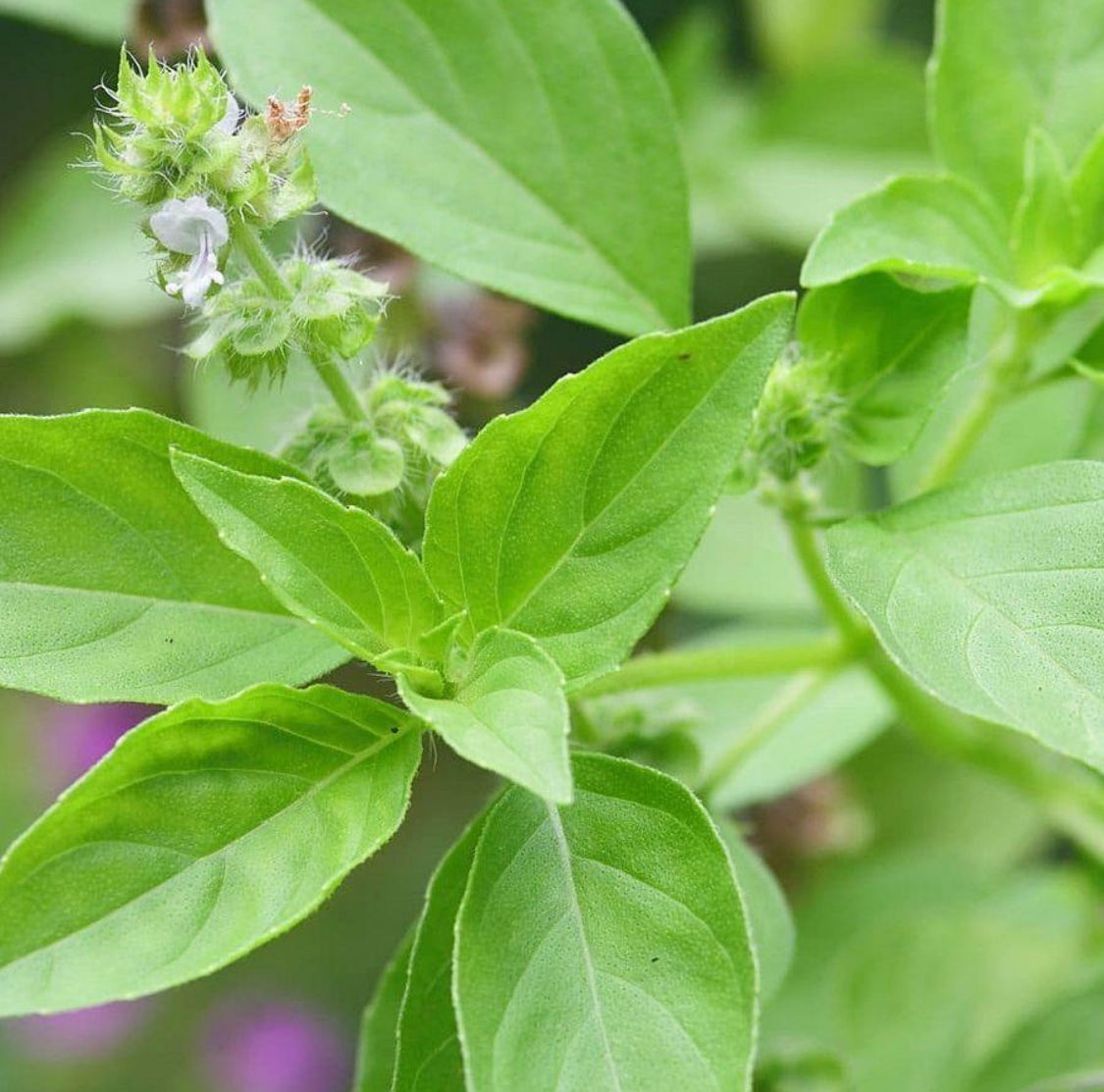
- Lemon Basil: Containing the compound citral, it releases a genuinely refreshing lemon fragrance when rubbed and pairs wonderfully with fish dishes and salads.
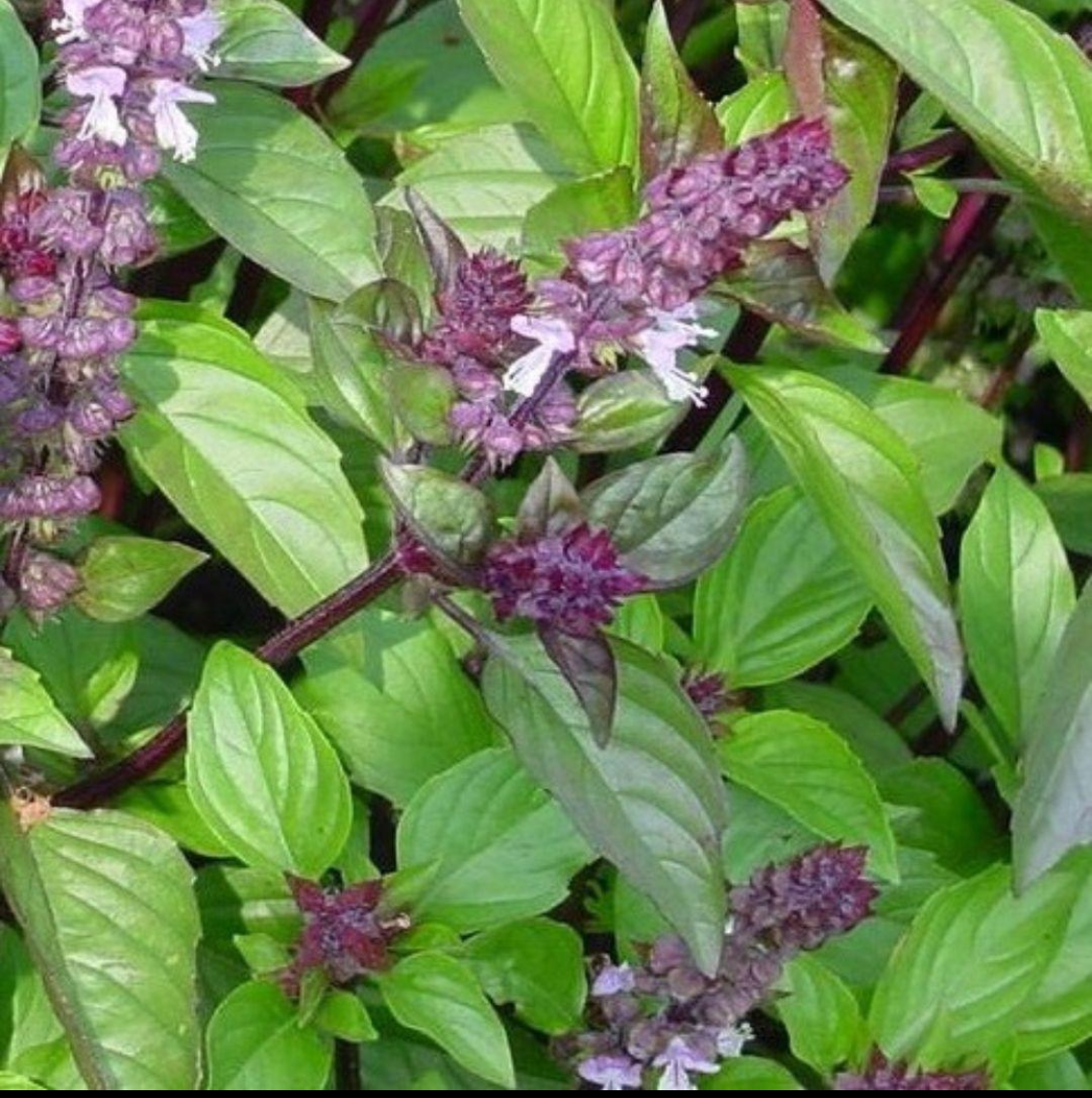
- Cinnamon Basil: Thanks to cinnamate, it features subtle notes of cinnamon and clove, making it widely used in teas and desserts.
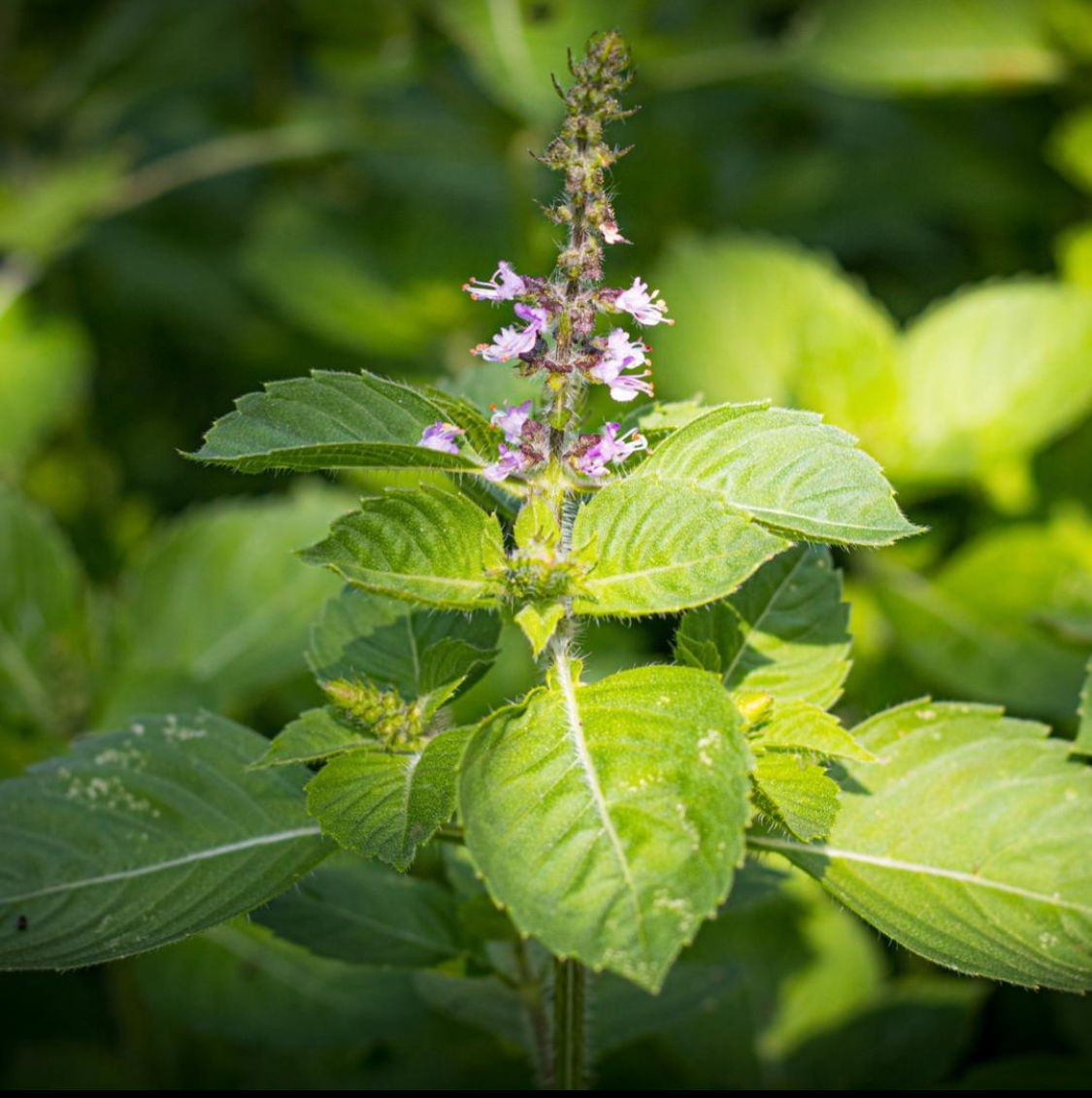
- Holy Basil (Tulsi): Rich in adaptogens that help reduce cortisol (the stress hormone), it is revered as a sacred herb in India and is excellent for soothing the nervous system. Notably, it is also a key ingredient in the Thai stir-fry dish Pad Kra Pao.
Flavor Upgrade
The molecules in Sweet Basil are extremely heat-sensitive. However, when exposed to gentle warmth (around 40–60°C), they activate a subtle sweetness and the characteristics of glutamic acid (umami/savory flavor). In other words, when handled with warm temperatures, basil goes beyond a simple “fresh grassy aroma” and acts as a natural seasoning that elevates the overall flavor and richness of a dish.
Therefore, unlike when added to cold salads, when incorporated into warm dishes such as pasta or pizza, basil’s distinct fragrance cuts through the richness of cheese or oil while maximizing the savory depth of the entire meal.
- Fresh Leaf State: Eucalyptol and linalool remain intact, bringing out a bright, fresh, and subtly spicy clove aroma.
- On Warm Dishes: Highly volatile linalool dissipates slightly, allowing the sweet and woody lingerings of eugenol and estragole to emerge, gently enveloping the flavors of oil or cheese.
Crowned as the King of Herbs
Basil is a culinary herb beloved worldwide, so much so that it is often called the “King of Herbs.”
The native home of basil is India and tropical regions of Asia. In India, a variety of basil known as “Holy Basil (Tulsi)” was regarded as a sacred plant, long used in religious ceremonies and traditional medicine (Ayurveda) as a healing herb that wards off evil spirits.
Egypt and Ancient Greece & Rome: In ancient Egypt, basil was used as a spice in mummification. As it spread to ancient Greece and Rome, it established itself as both a medicinal and culinary herb. Its name derives from the Greek word Basilikos, meaning “kingly” or “belonging to a king.”
Becoming the Heart of Mediterranean Cuisine: Spreading across the Mediterranean coast through the Middle Ages, basil took firm root in the Liguria region of Italy. By the 19th century, it had become the central ingredient of the iconic Basil Pesto (Pesto Genovese) we know today.
The Best of the Best
The sweet basil we commonly use and eat belongs to the Sweet Basil cultivar group, but even among these, there is a variety considered the absolute finest.
The top-tier basil used for pesto, which holds Protected Designation of Origin (DOP) status, is Basilico Genovese (Genovese Basil).
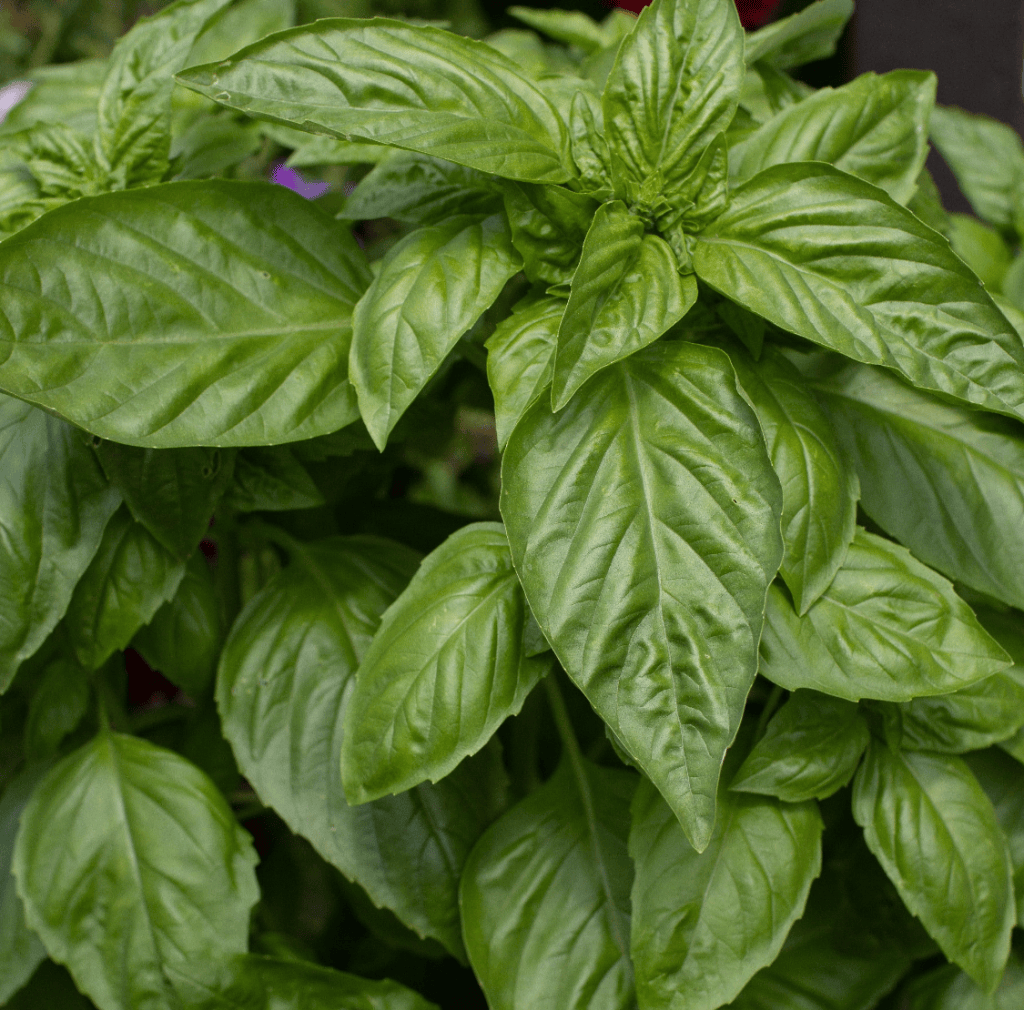
Common Sweet Basil: Leaves are slightly thicker, with a relatively stronger fragrance of clove and mint.
Genovese DOP Basil: Grown in the sea breeze and soil of Liguria, Italy, it features almost no menthol notes (mint or sprout-like odor) and is characterized by a strong, 100% sweet and gentle forest aroma.
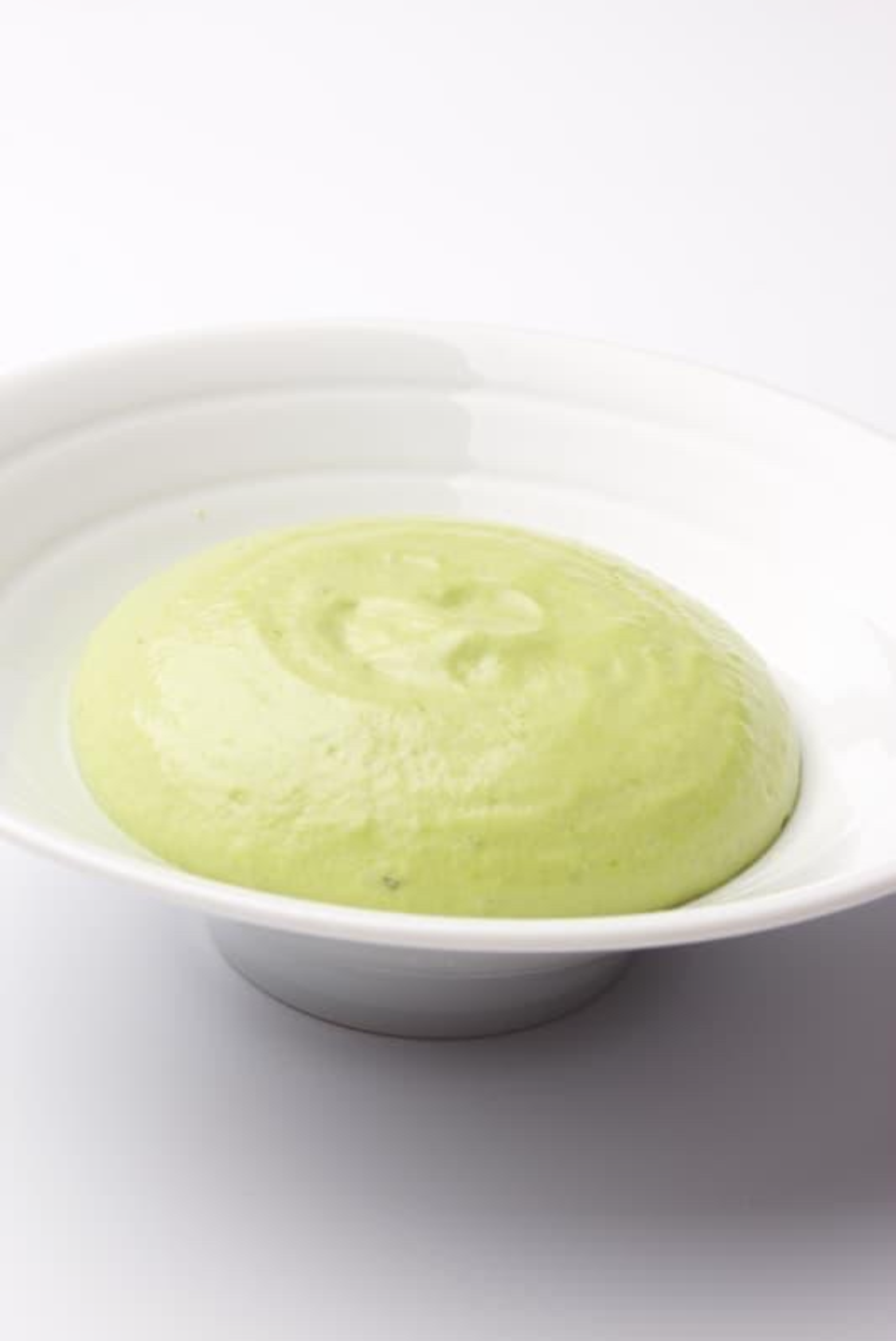
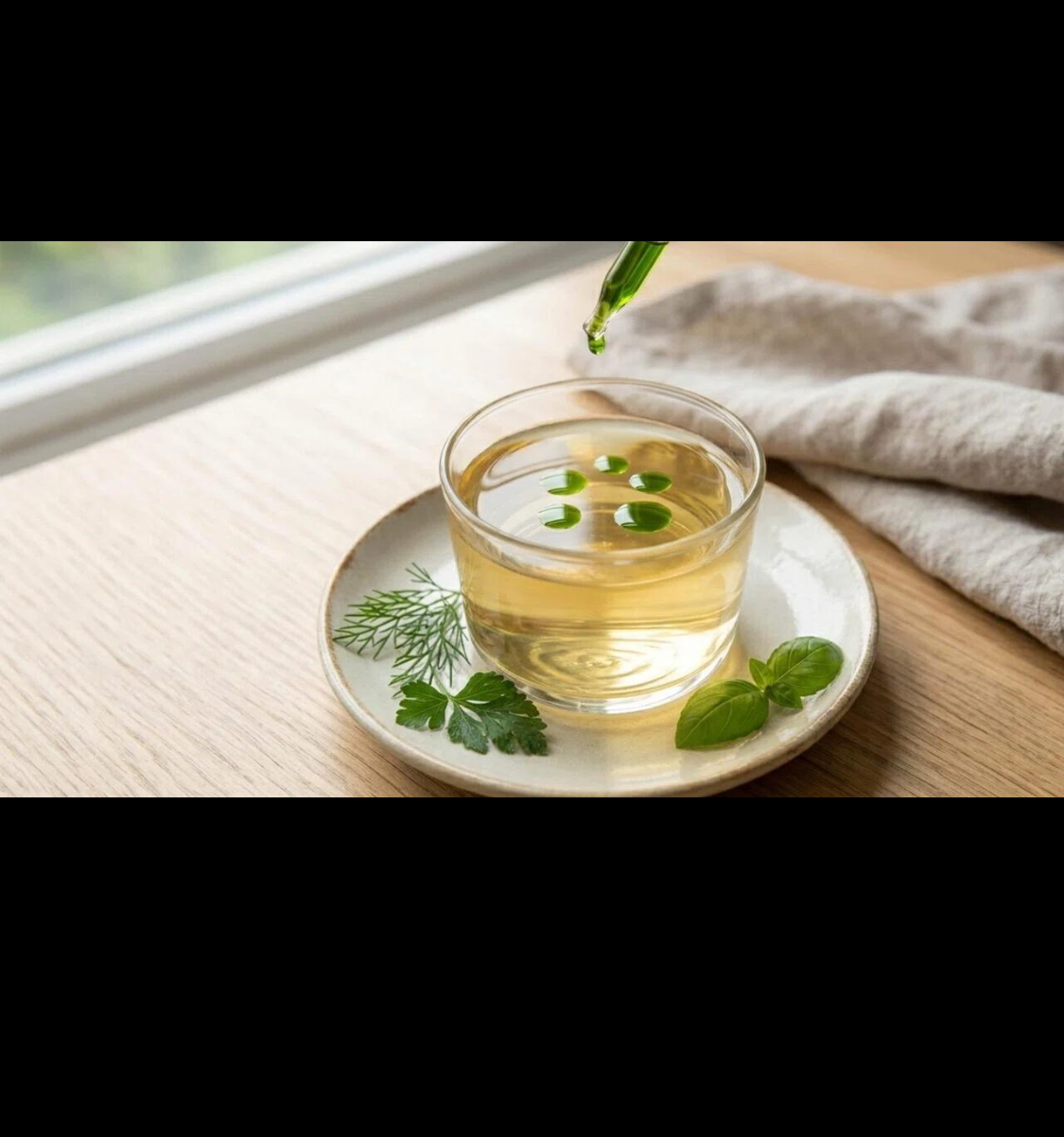
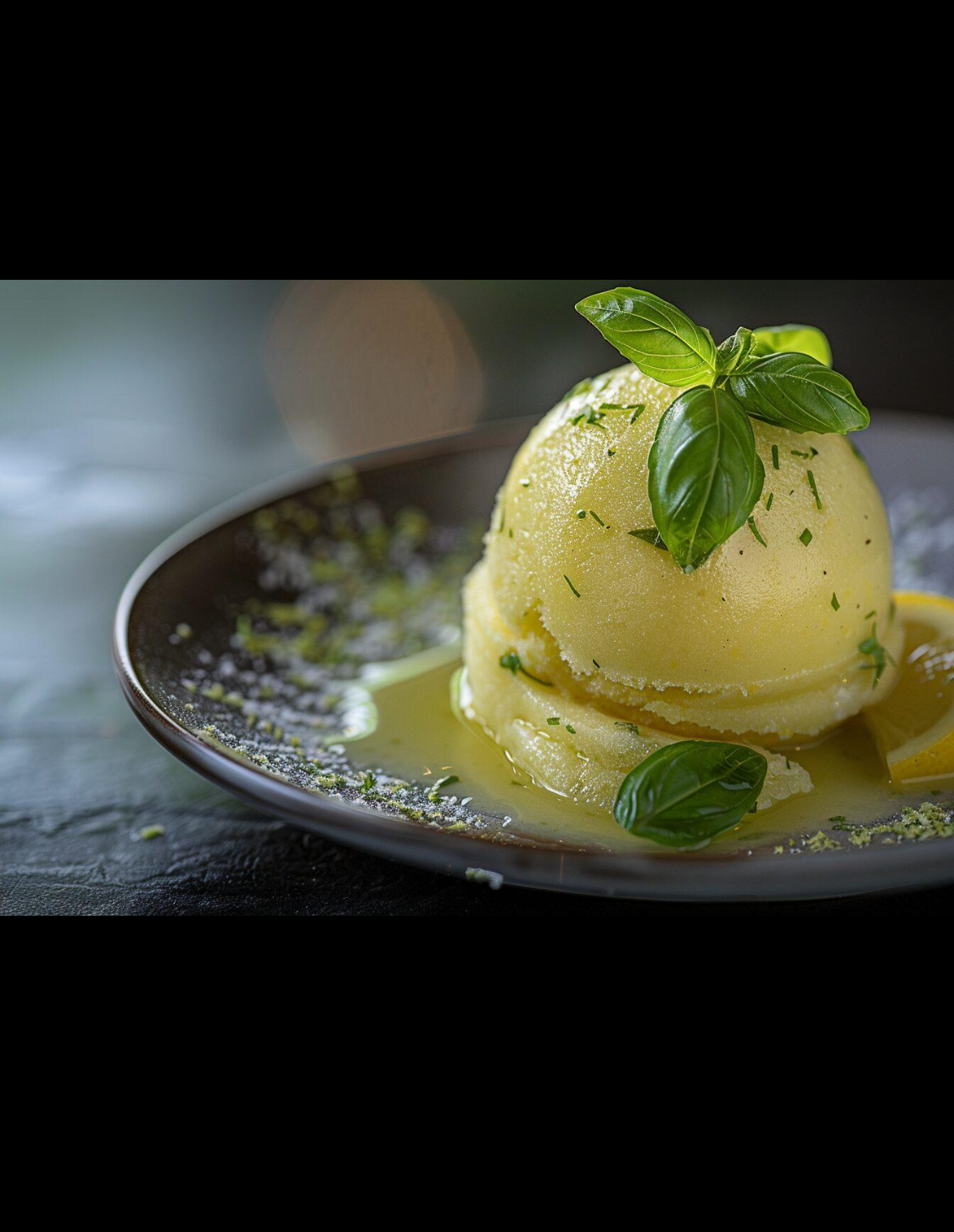
In France, Sweet Basil is called Grand Vert or Basilic Grand Vert, meaning “Large Green Leaf of Genoa.” Rather than being crushed into pesto, French cuisine primarily utilizes basil by delicately infusing its fragrance into oils or sugar syrups—such as in butter-oil emulsions (Basil Butter), basil consommé, and pastry desserts (like Lemon Basil Sorbet).
Getting to Know Wine
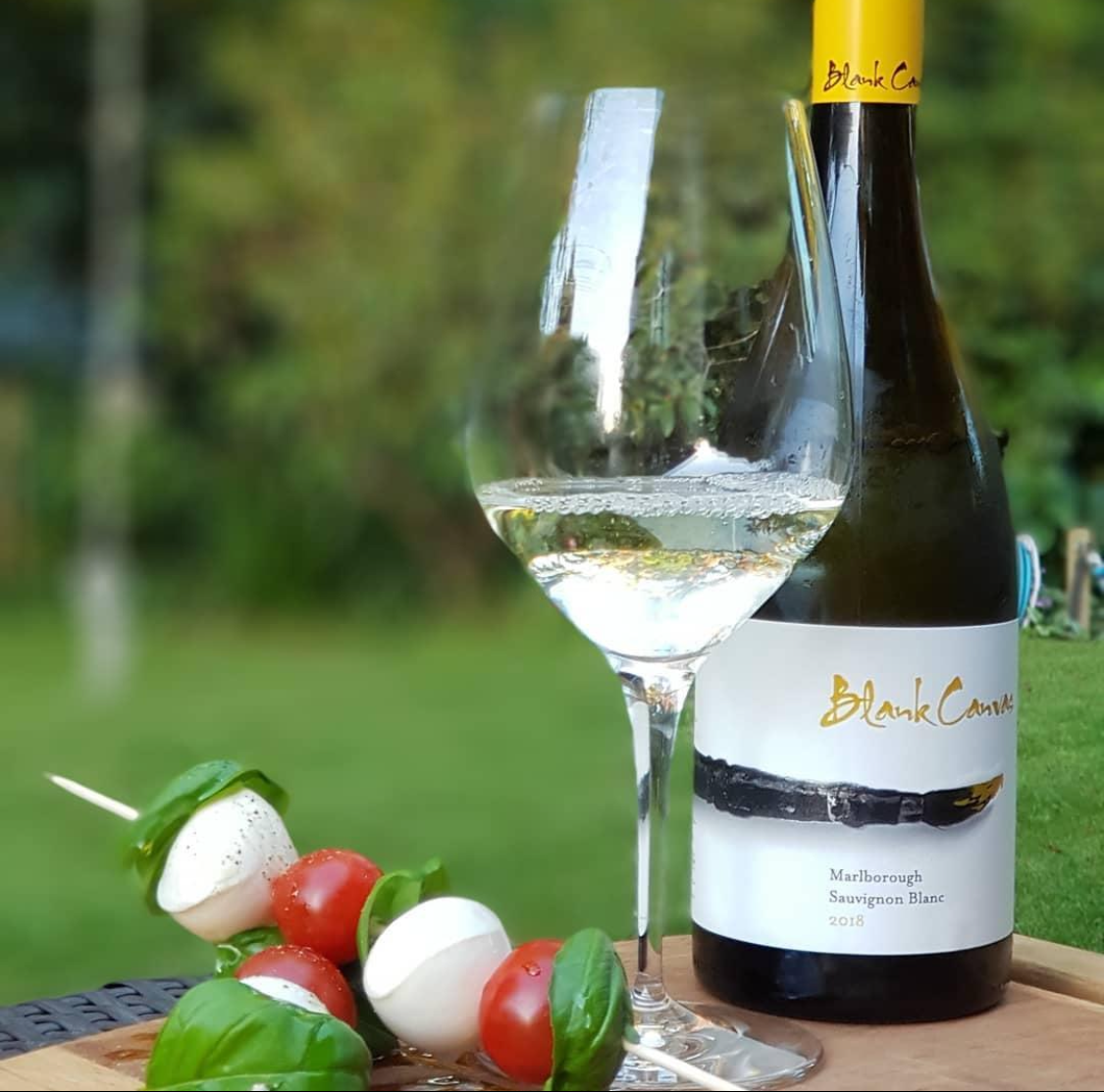
Try pairing a glass of wine with basil-infused dishes, such as basil pesto pasta or Caprese salad!
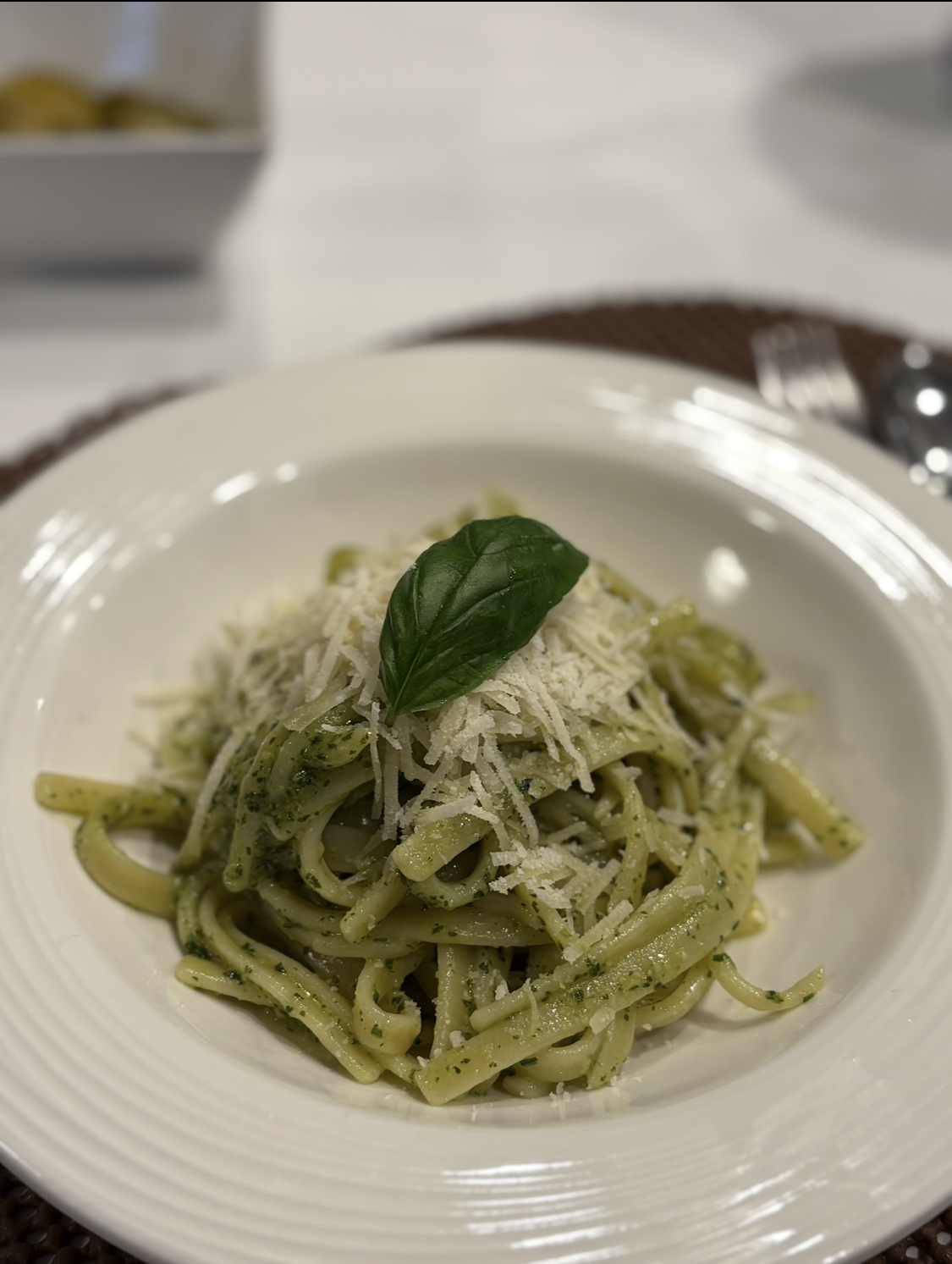
Basil contains an organic compound called Methoxypyrazine.
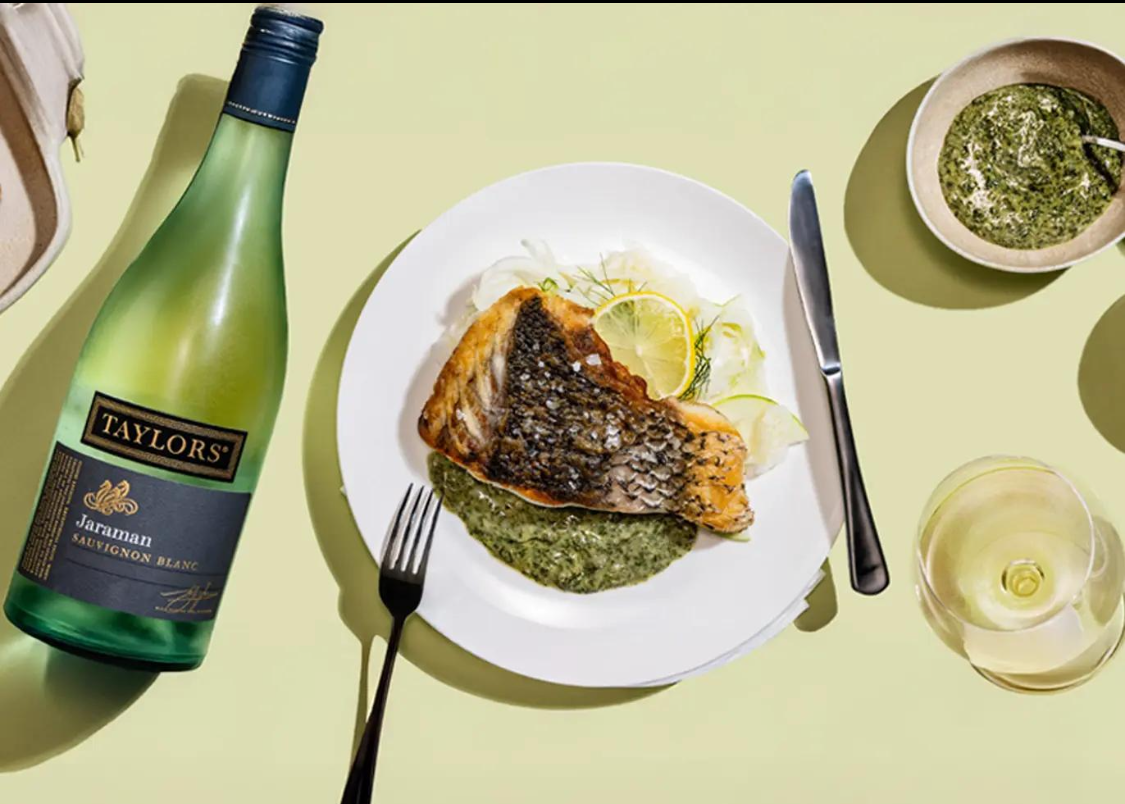
Methoxypyrazine is a key aroma compound responsible for creating the vibrant, fresh notes of freshly cut grass, green pepper, and herbaceous aromas in plants and vegetables. Because this is the exact same compound that defines the fresh, green aromas in wines like Sauvignon Blanc and Cabernet Franc, pairing a crisp, herbaceous Sauvignon Blanc with basil dishes creates a flawless harmony where their flavors complement each other beautifully.

Blackened Basil Leaves
Basil leaves contain an enzyme called Polyphenol Oxidase.
Polyphenol Oxidase is a natural plant oxidizing enzyme that reacts with oxygen when cells are damaged or exposed to heat, causing basil leaves to turn black (browning/blackening).
This enzyme is the primary cause behind sliced apples or bananas turning brown when exposed to air.
When you slice basil with a knife or toss it directly into hot pasta to sauté, the enzymes inside the leaves react with oxygen and heat, causing them to turn black almost instantly.
When cut with a metal knife, the leaves react with metal ions while their cell walls are sliced straight through. This causes the internal enzymes to rapidly bond with oxygen, resulting in leaf blackening (melanosis) within just a few minutes and causing precious aromatic molecules to escape into the air.
While turning black does not make the leaves toxic, basil’s signature fresh fragrance and vibrant flavor have already vanished.
If you add basil as a final garnish after the food has cooled slightly, or gently tear the leaves by hand instead of cutting them with a knife, you can preserve their fresh green color and fragrance for much longer.
For me, this was something I hadn’t realized before. Since I used to chop and mince basil however was convenient, I feel as though I’ve missed out on enjoying its full, intact fragrance all this time.
Preservation
Have you ever put leftover basil in the refrigerator’s vegetable drawer thinking, “I’ll save this for later,” only to find it turned black the next day? I used to think it was just because the fridge was too cold.
Coming from tropical regions, basil is an herb exceptionally sensitive to cold.
The best way to keep it fresh for longer is to trim the bottom of the stems slightly, place them in a glass of water like a bouquet of flowers, and store them at room temperature (15–20°C).
If you have an abundance of fresh basil, you can blend it with pine nuts, garlic, Parmigiano-Reggiano, and olive oil to make basil pesto, or submerge the leaves in olive oil to enjoy its rich aroma over an extended period.
Unexpected Charm
Basil is rich in organic compounds called Methyl chavicol and Linalool.
While humans perceive these as subtle and refreshing scents, they strongly repel pests like mosquitoes, gnats, and fruit flies.
Placing a basil pot by a window or terrace, or rubbing the leaves between your hands to apply a bit of the juice onto your skin, serves as a wonderful natural mosquito repellent.
So, I decided to make one myself.
As the morning and evening air turned chilly, small flies outside began making their way indoors seeking warmth. Because they were so tiny, they squeezed right through the window screen mesh, making them bothersome and difficult to catch. By evening, flies gathered on the outside of the screen, and worrying they might slip inside kept me from opening the veranda door comfortably.
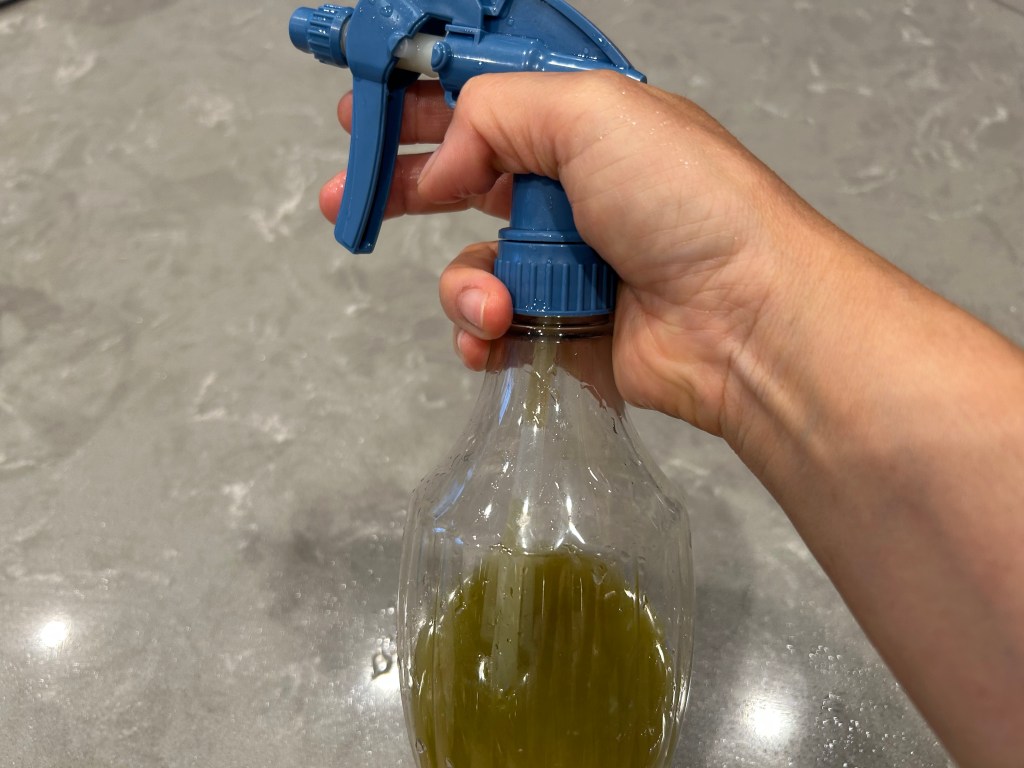
This led me to create a natural repellent spray using basil, lemon, and cinnamon powder. Watching the screen over time, I noticed that while it didn’t completely eliminate every insect, the frequency of flies landing on the screen dropped noticeably. It proved genuinely effective. Unlike commercial chemical sprays that can pollute indoor air and harm human health, I loved that this natural spray gave me total peace of mind.
How to Make Basil Insect Repellent:
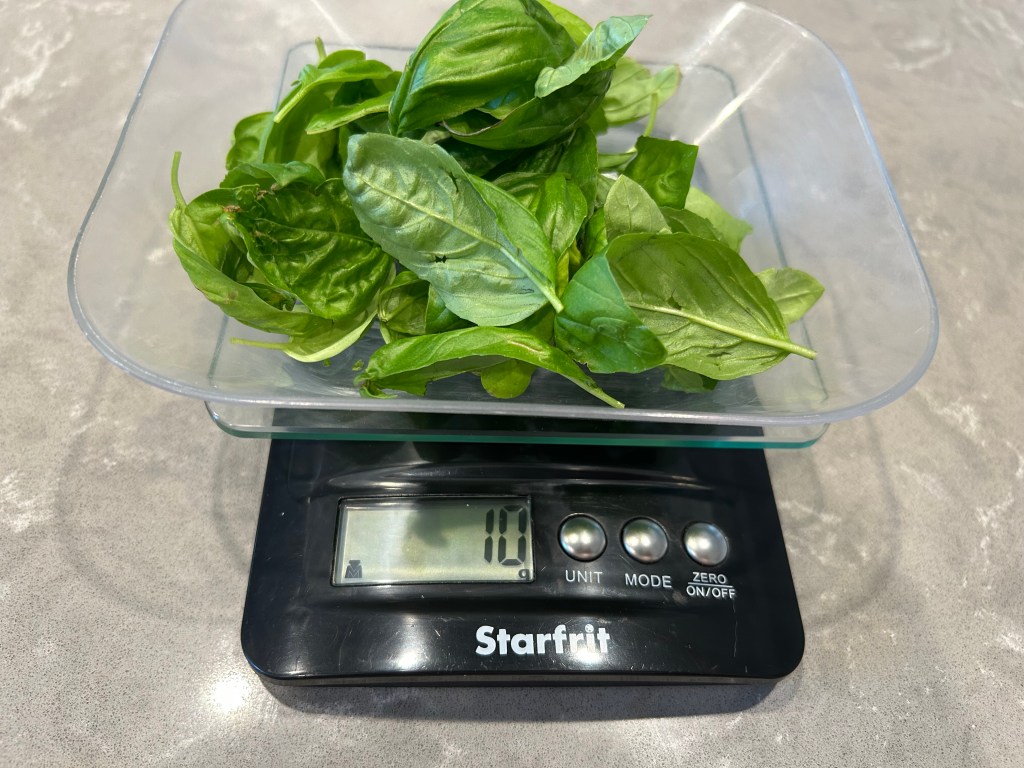
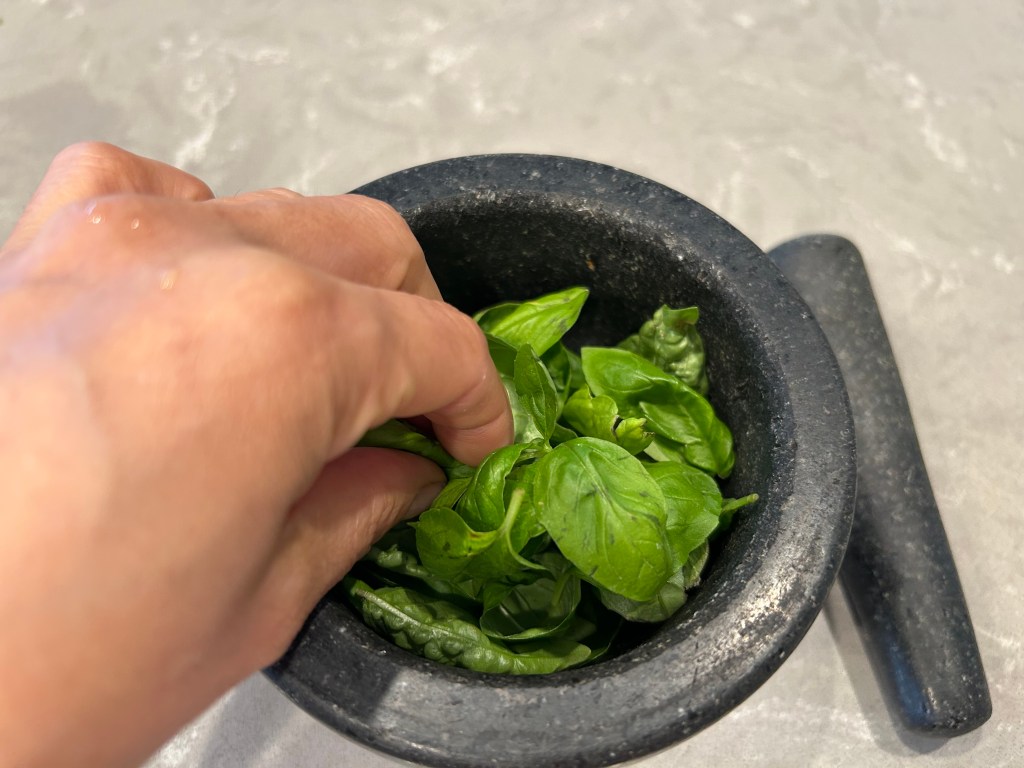
- Basil leaves: 10 g
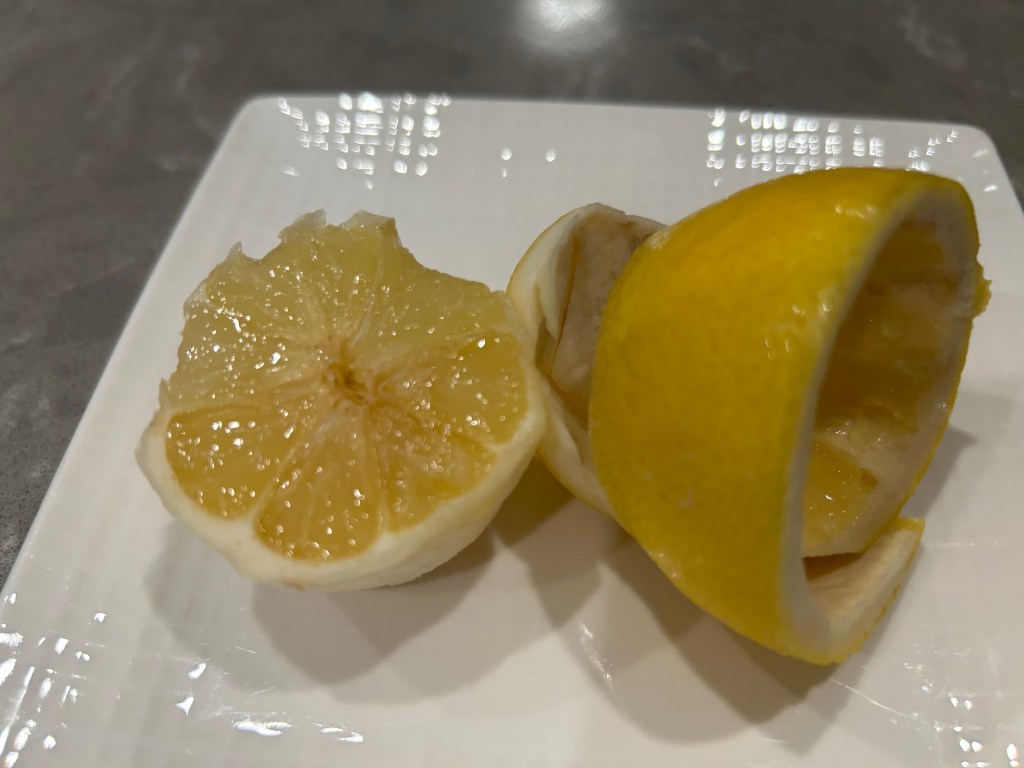
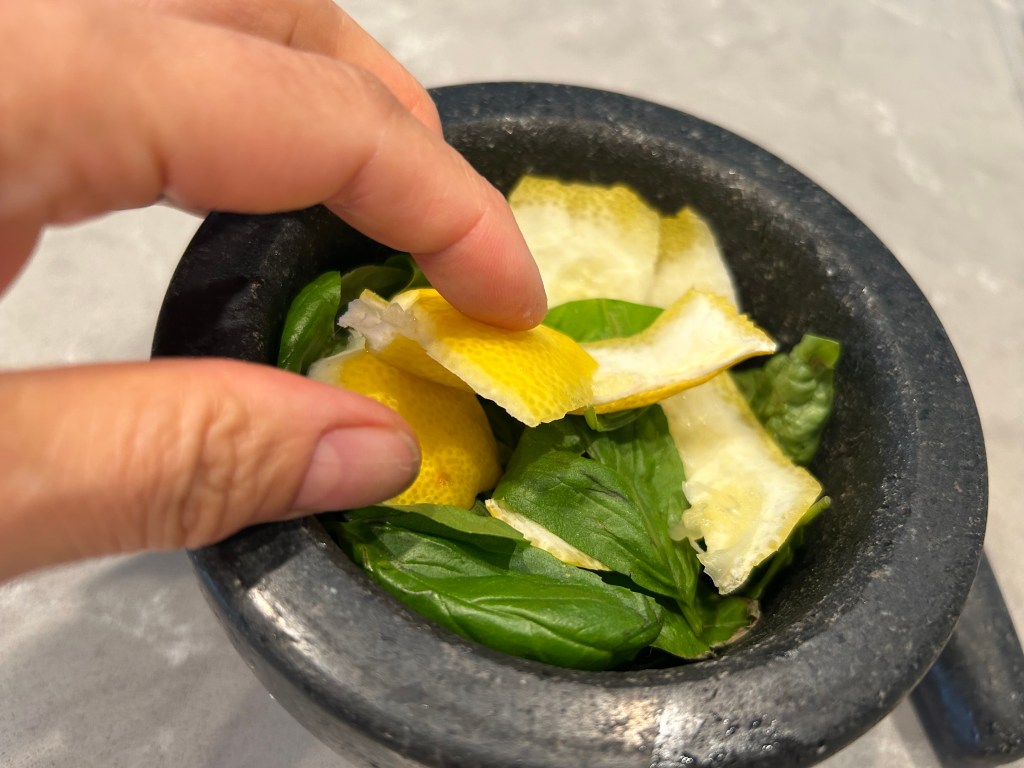
- Lemon: 1/2 (including the peel)
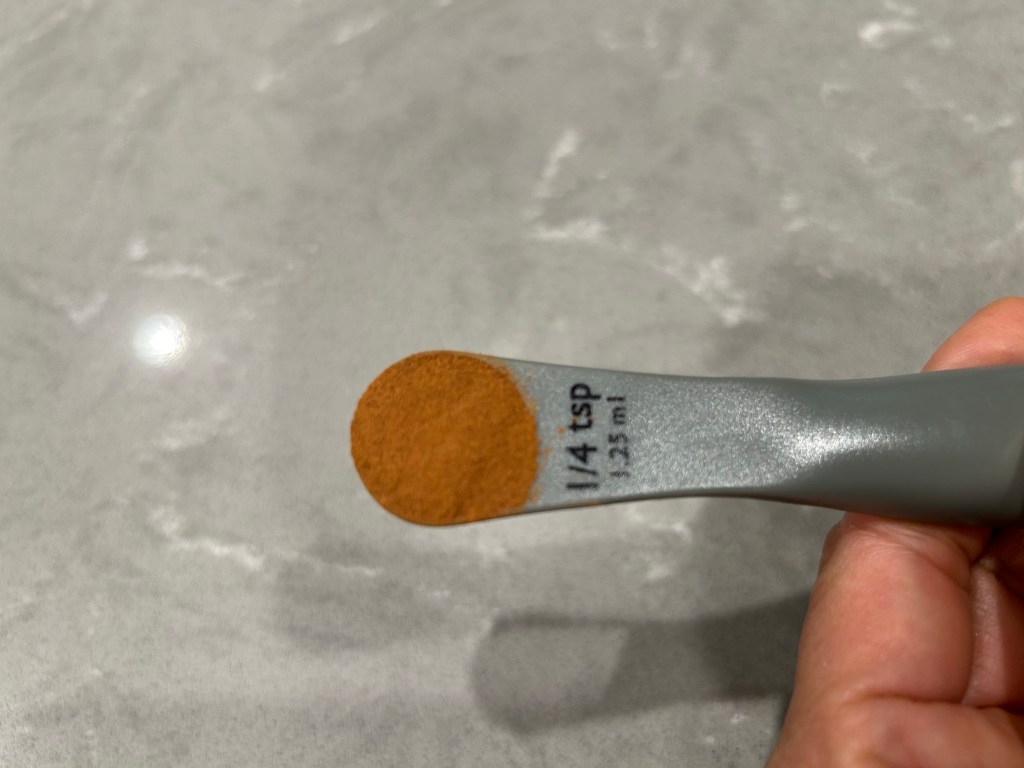
- Cinnamon powder: 1/4 tsp
- Water: 1 cup
Instructions:
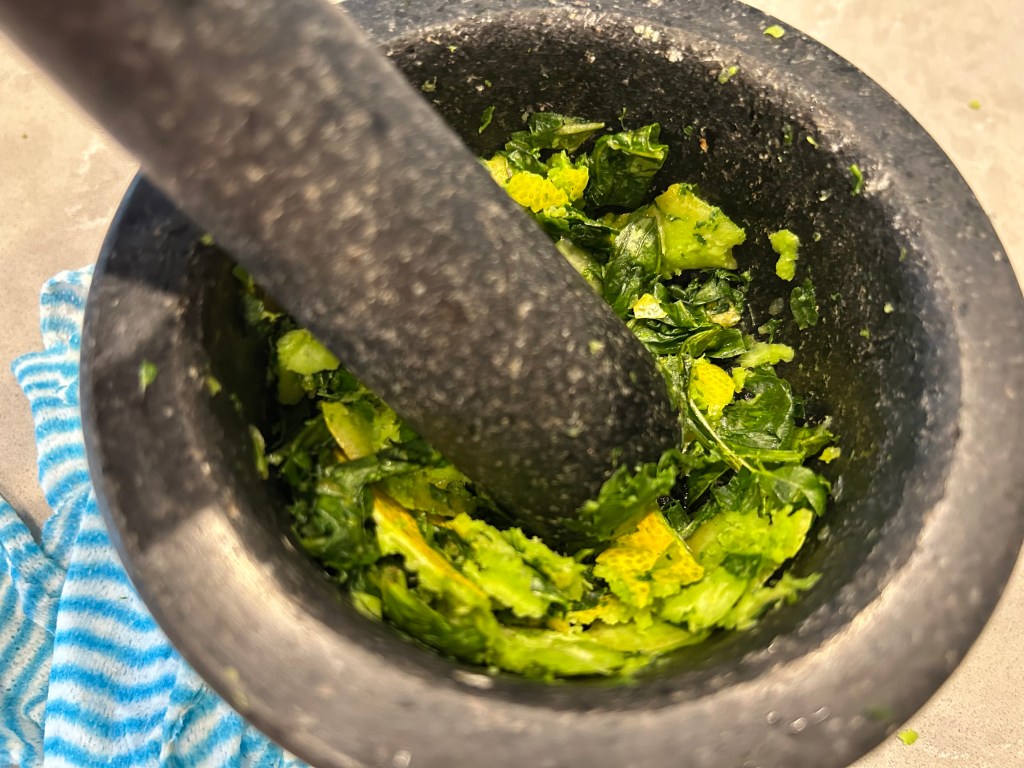
- Using a mortar and pestle, crush the lemon peel and basil leaves together finely.
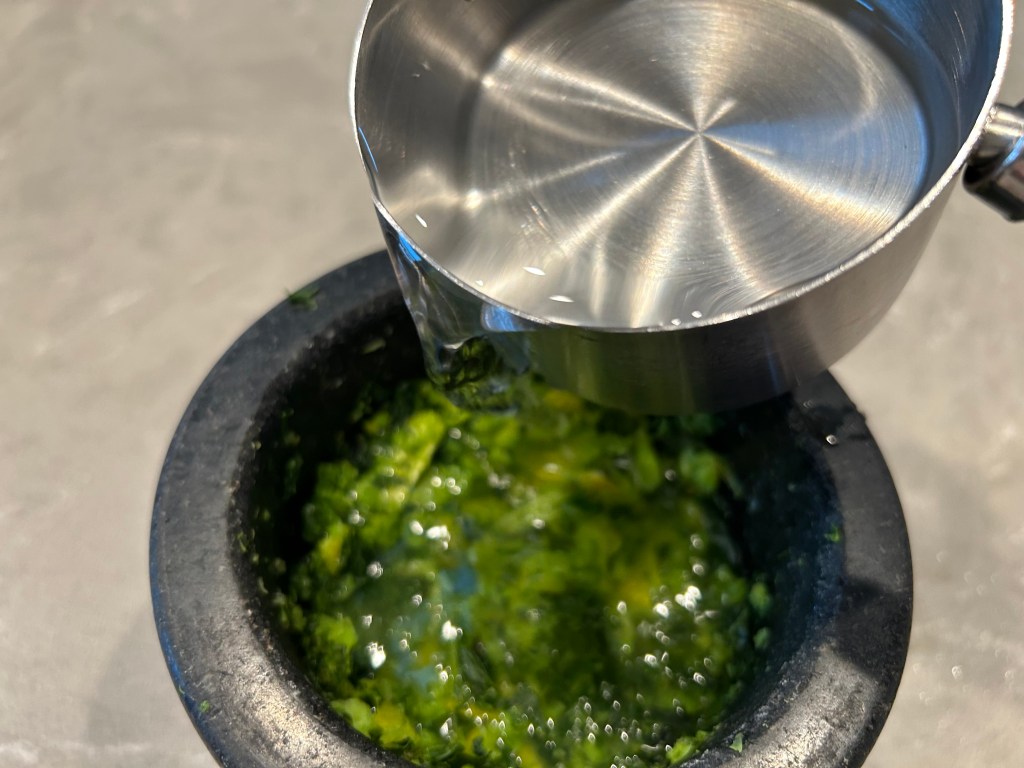
- Once mashed, pour in 1 cup of water, squeeze in the juice from the remaining lemon, and mix in the cinnamon powder.
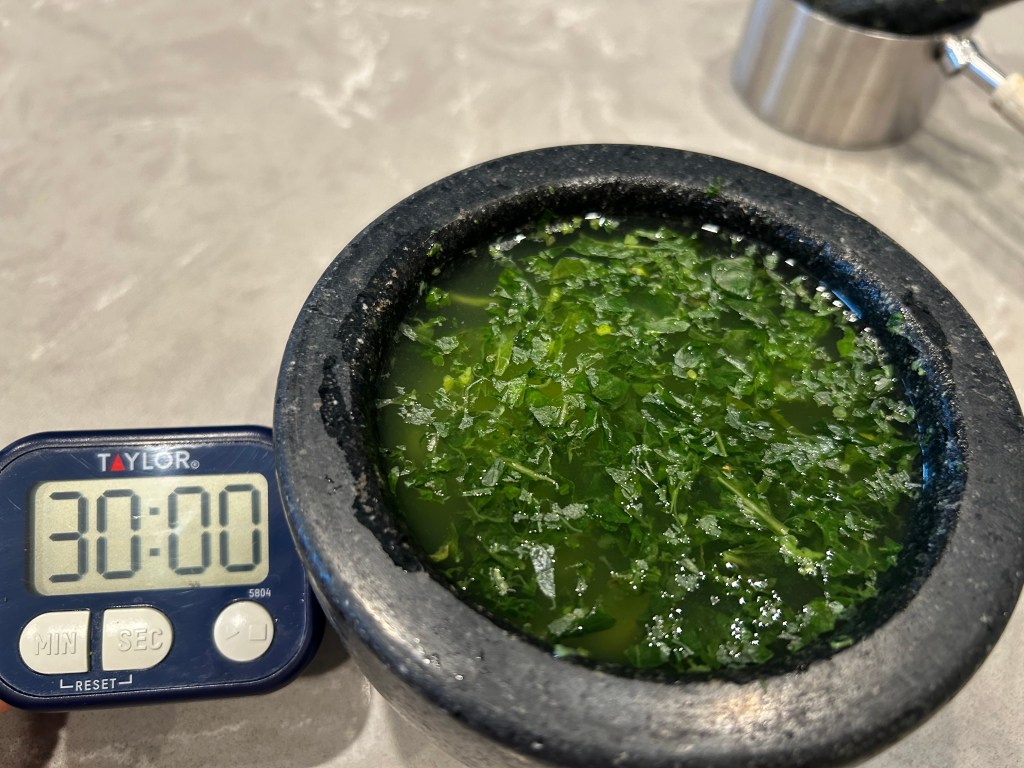
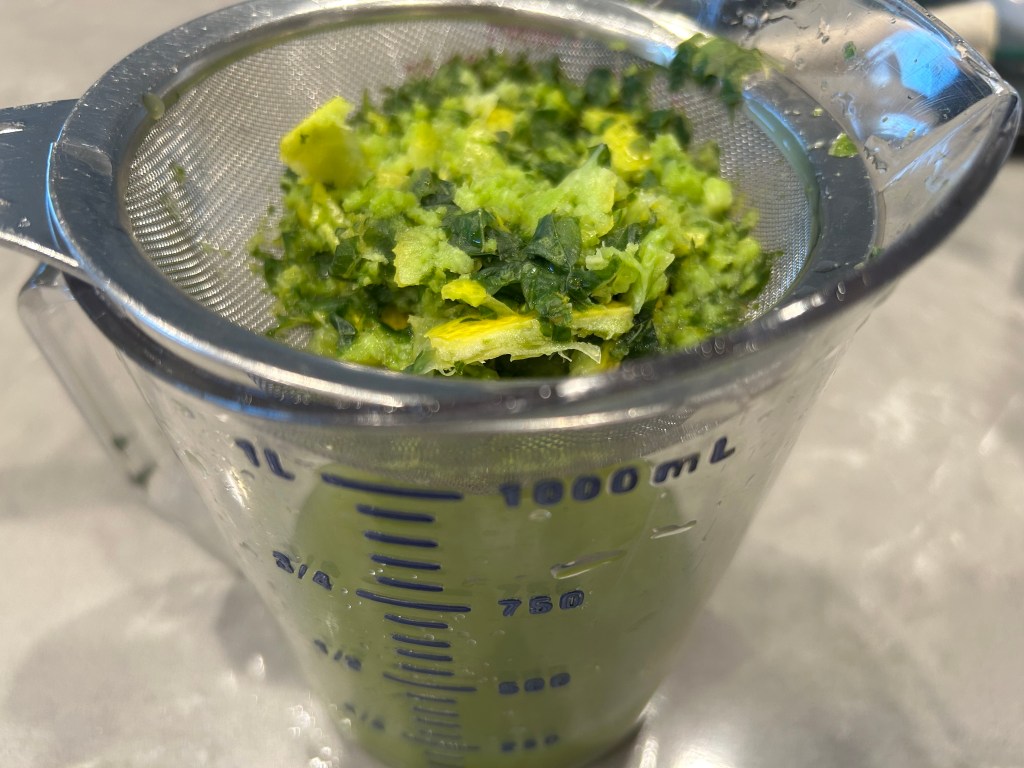
- Let it steep for 15 to 30 minutes to allow the ingredients to infuse fully, then strain through a fine sieve, keeping only the liquid.
- Transfer to a spray bottle and spritz occasionally onto the window screen where flies gather. (Note: A regular spray bottle works better than a fine mist sprayer, as my fine mist nozzle clogged due to the cinnamon powder).
While it isn’t a complete pest-removal solution, the number of flies clinging to the screen dropped significantly. It turned out to be a wonderfully practical life tip gained from understanding basil’s natural properties.




Companion Planting Tip
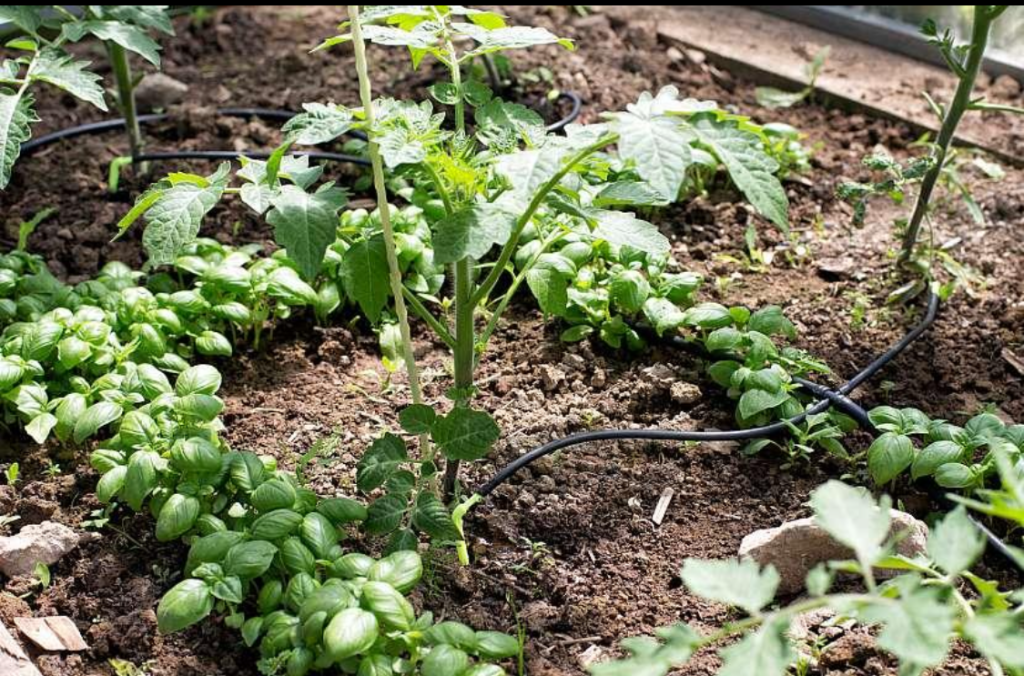
Another helpful tip is that in the world of farming and gardening, basil and tomatoes are known as the ultimate companions.
When planted next to tomatoes, basil’s strong fragrance deters pests like aphids from approaching and laying eggs.
Some studies even suggest that basil helps regulate moisture around tomato roots in a beneficial way, enhancing the sweetness and flavor of the tomatoes.
Thus, basil and tomatoes share a perfect marriage (mariage)—not only on a plate in a Caprese Salad, but right from beneath the soil.
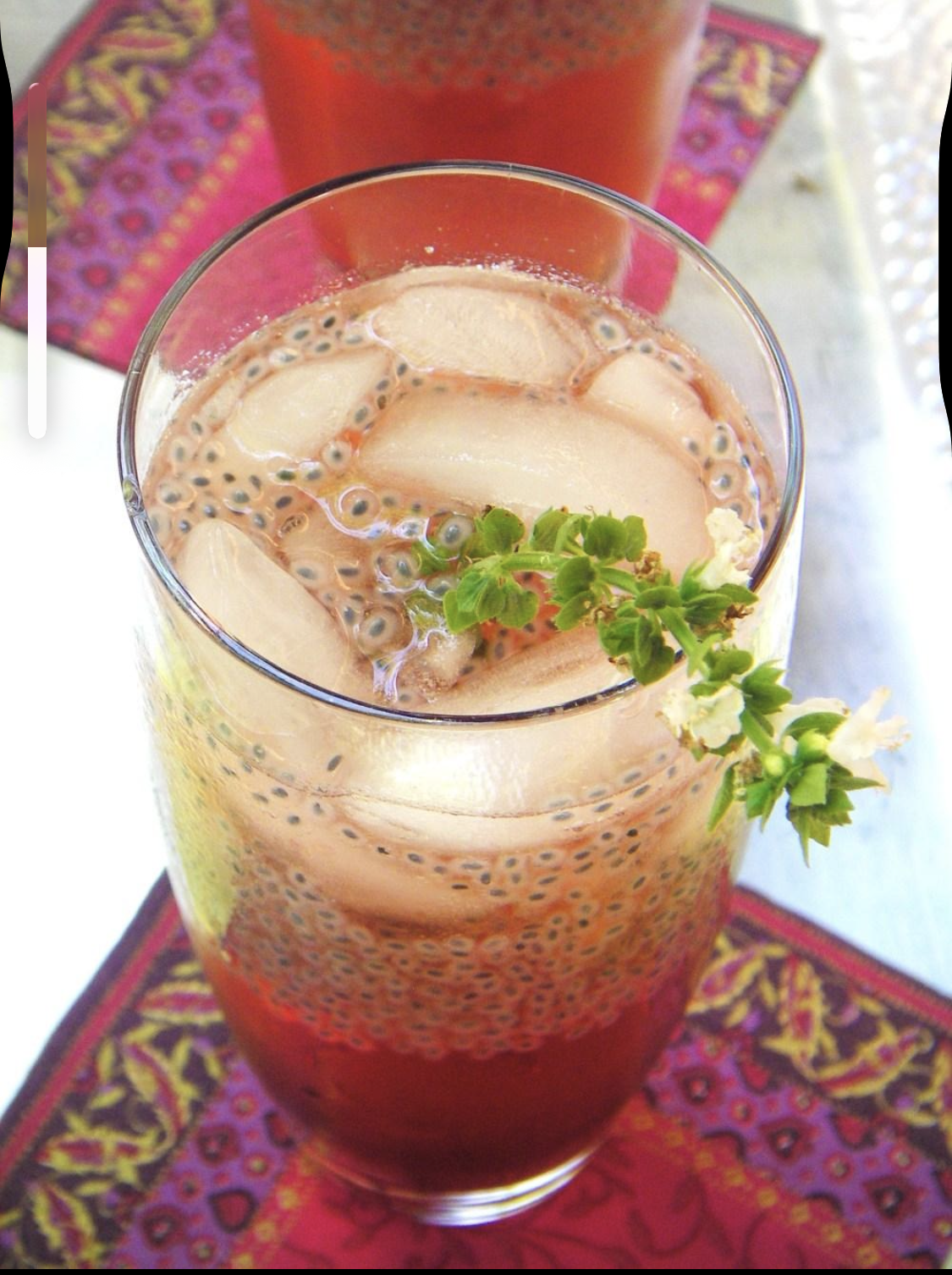
Basil Seeds: Tadpole Egg Appearance
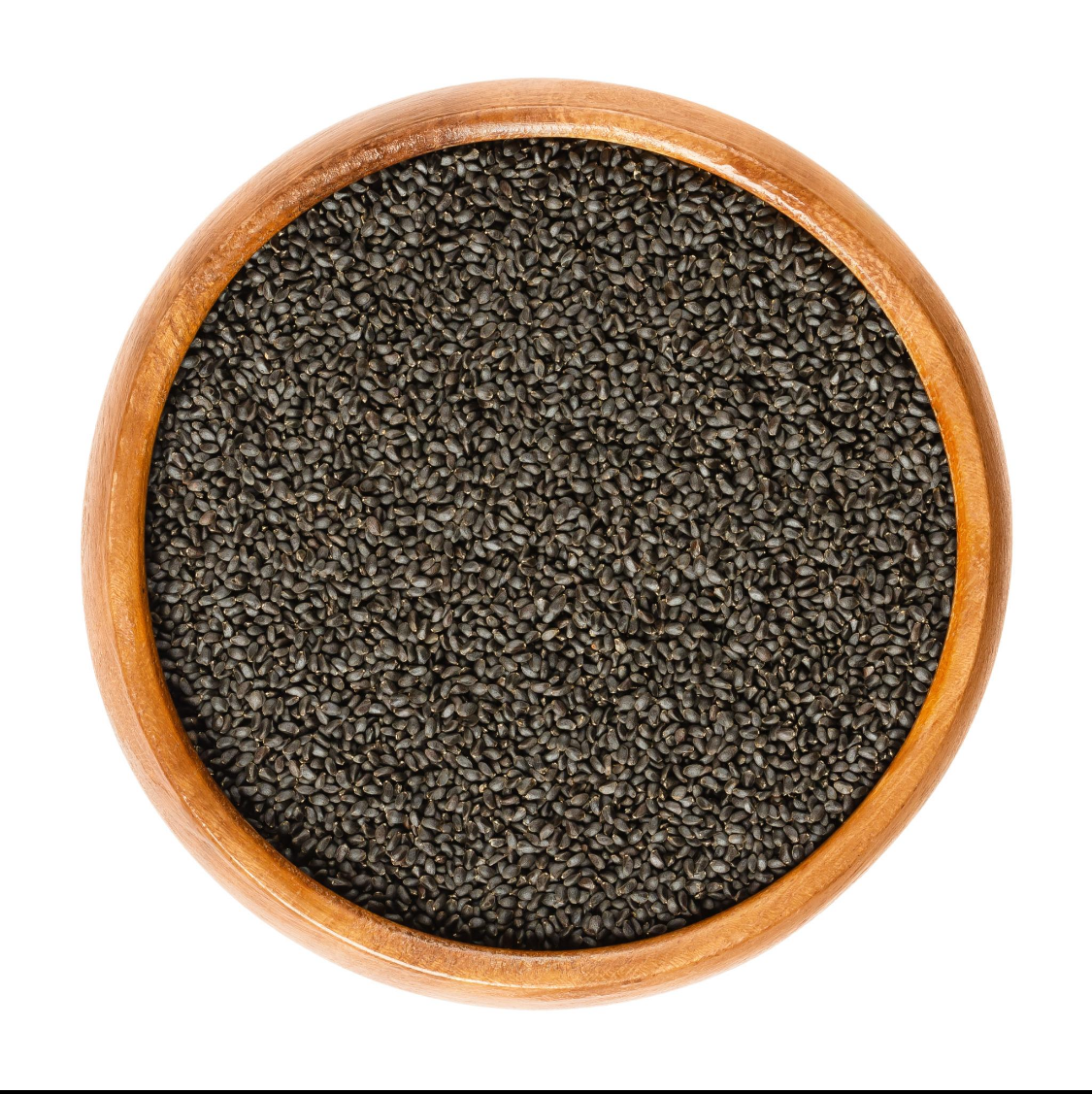
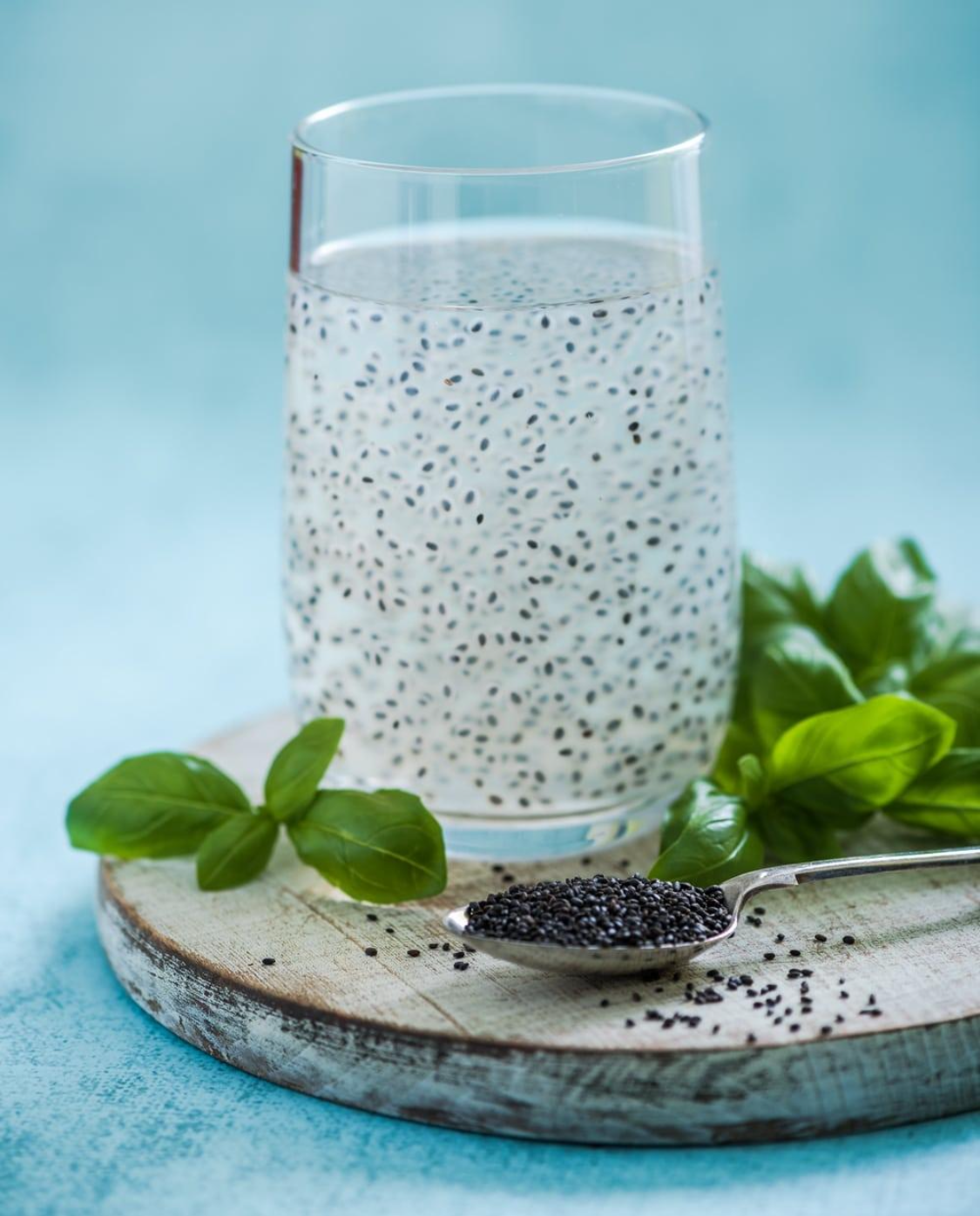
Basil seeds swell up to 30 times their size when they meet water, resembling tadpole eggs.
The moment basil seeds touch water, they possess the unique property of forming a soluble dietary fiber layer.
Upon contact with water, they absorb nearly 30 times their volume, swelling into a jelly-like form. (They swell much faster than chia seeds!)
Providing excellent satiety and promoting gut motility, they are widely enjoyed in dietary drinks and desserts (basil seed drinks) across the Mediterranean and Southeast Asia.
Choosing Wisely
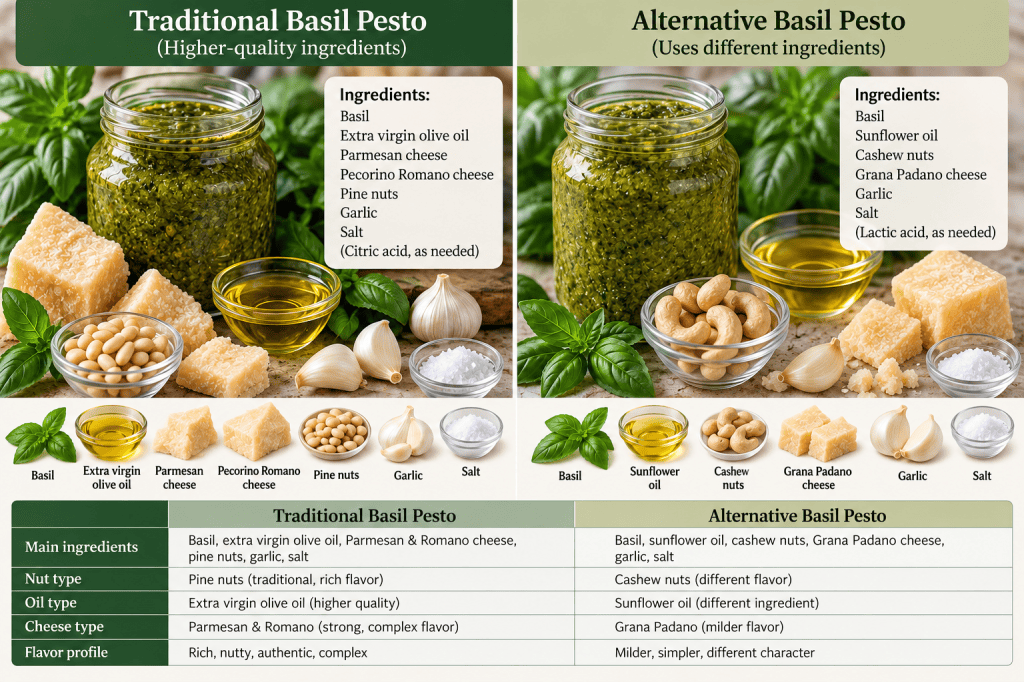
When making pesto, using fresh basil would be ideal, but more often than not, that isn’t always possible. When purchasing store-bought basil pesto instead, it pays to take a careful look at the ingredient list on the back.
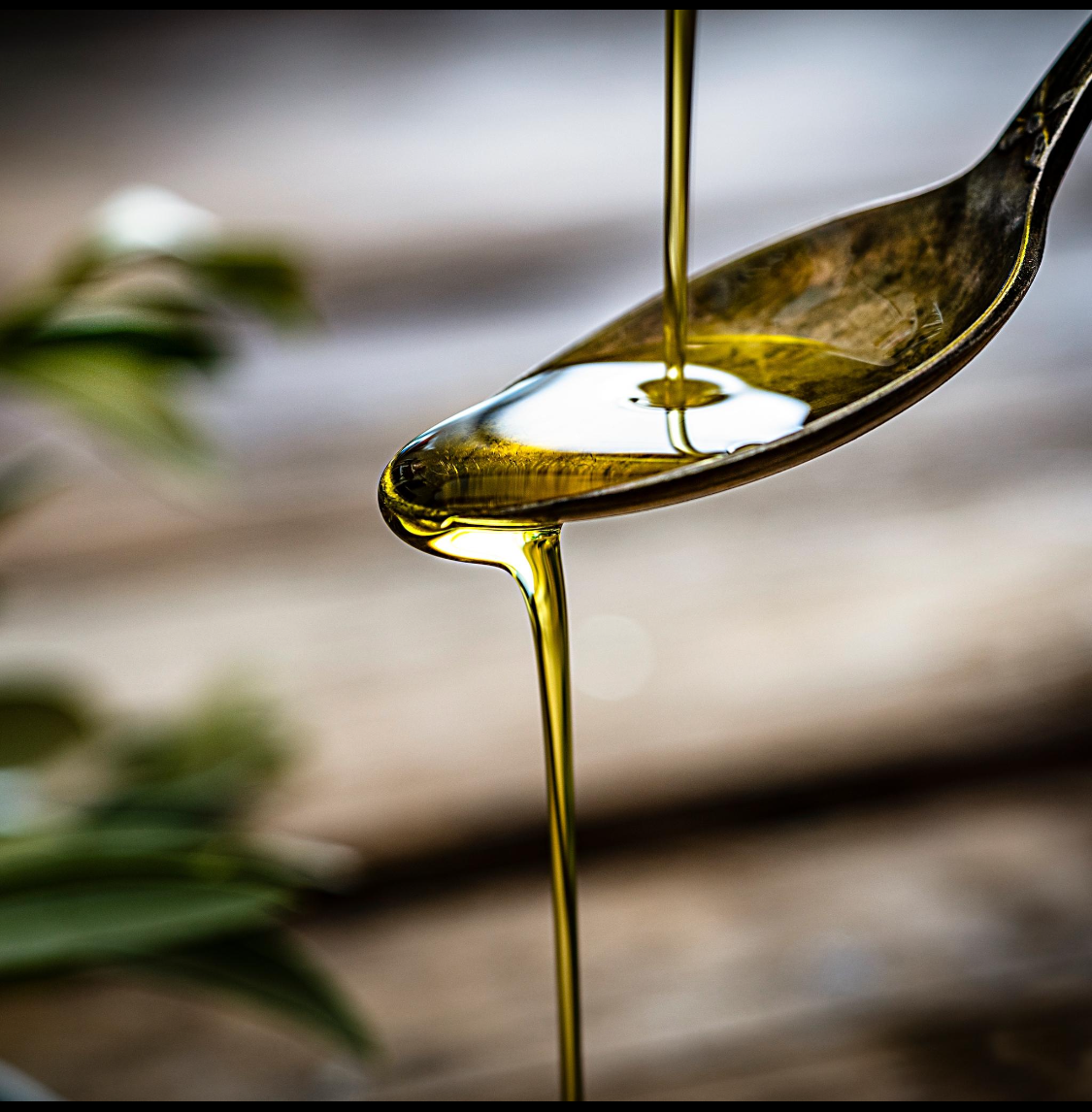
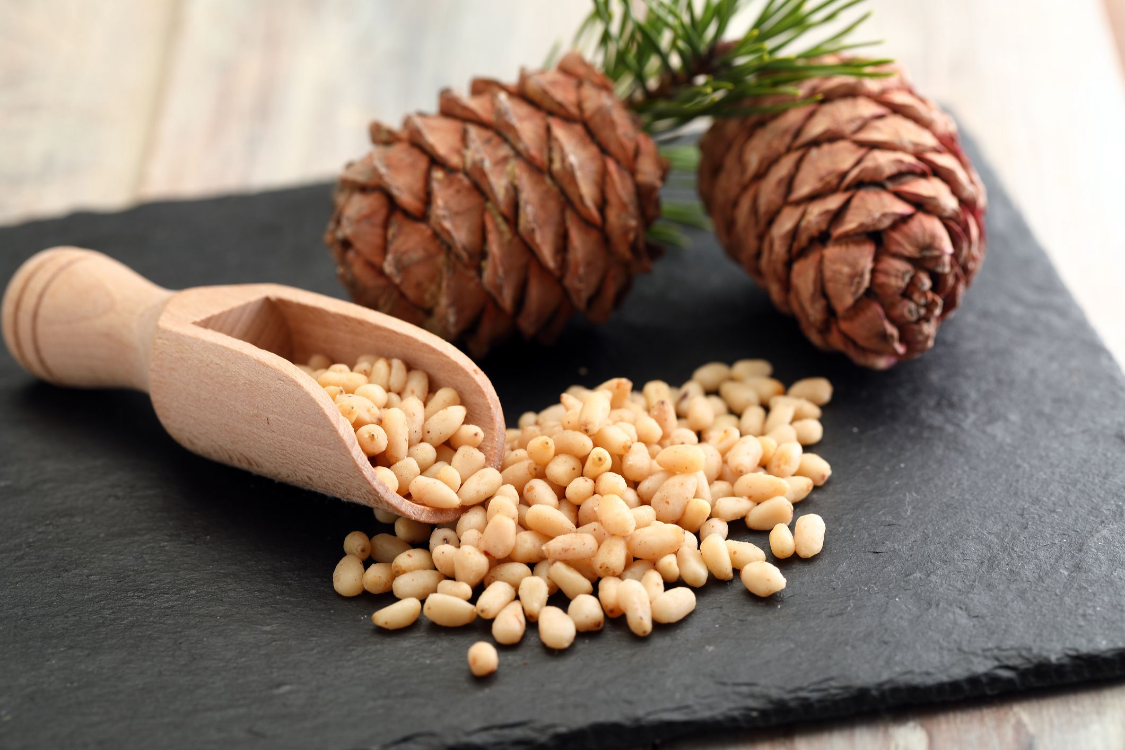
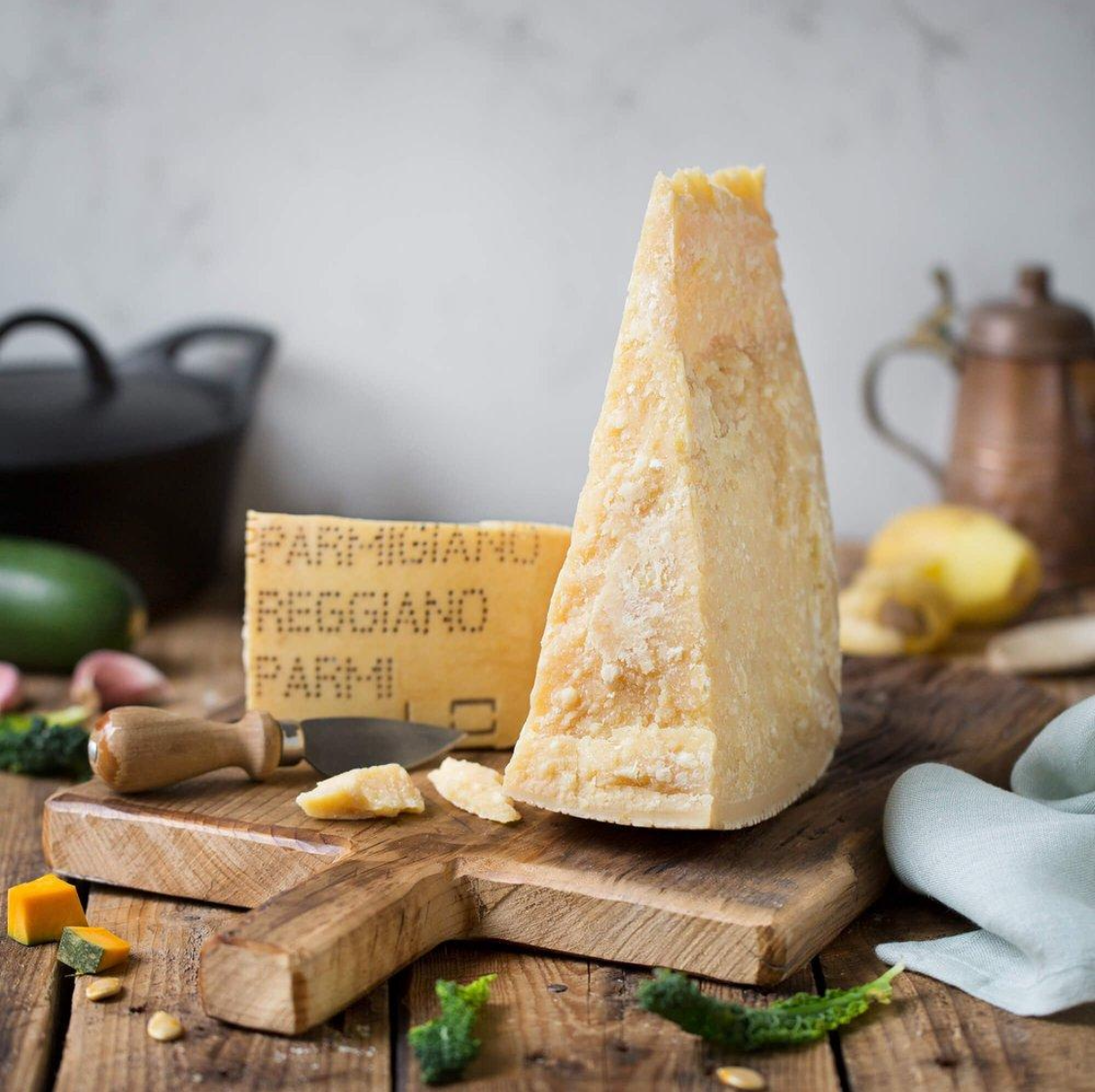
Traditional basil pesto is made with basil, olive oil, pine nuts, and Parmigiano-Reggiano. Other products, however, may substitute sunflower oil or soybean oil for olive oil, cashews for pine nuts, or even mix in spinach powder.
If you check the ingredient list on the label and choose a product with a high content of olive oil and basil, you’ll be able to enjoy a much cleaner, deeper, and authentic Mediterranean flavor.
Going forward, I…
I don’t think cooking is simply about making and eating food based on head knowledge. Even with the very same ingredient, I’ve come to realize that when we understand it a little better and treat it with care, it creates far richer aromas and flavors. I believe this story—woven together by knowledge and the touch of my fingertips—is one that should continue.

Leave a comment